
Do Fire Alarms Go Off For Carbon Monoxide

Picture this: you’re whipping up a magnificent meal, perhaps a perfectly roasted chicken, when suddenly, a rogue puff of smoke escapes your oven. Before you can even flail a dish towel, your trusty home guardian erupts: BEEP BEEP BEEP! That’s your smoke alarm, loud and proud, doing its job. It springs into action for smoke, for burnt toast, and sometimes, even for a particularly steamy shower. But what if the danger wasn't a visible cloud or a tell-tale odor? What if it was an invisible, silent villain lurking in your home? We're talking about carbon monoxide (CO), the sneaky gas often dubbed the "silent killer." This brings us to a burning question many homeowners quietly ponder: do those same fire alarms also go off for carbon monoxide?
The Great Alarm Myth Debunked!
Here’s the surprising truth that often makes people raise an eyebrow: your standard, run-of-the-mill smoke alarm, the one that bellows when your popcorn gets a little too friendly with the microwave, generally doesn’t detect carbon monoxide. Think of it this way: your smoke alarm is like a super-sensitive nose specifically trained to sniff out smoke particles. It’s fantastic at its job, a true hero against fiery threats! But carbon monoxide is a whole different beast. It's a gas, not a particle, and it requires a completely different kind of sensor to detect it. It's a bit like asking your cat to bark; they're both household pets, but they have very different skill sets!
"Many assume one device covers all dangers, but home safety is a bit more nuanced and wonderfully specialized!"
So, while your smoke alarm is diligently watching for flames and smoke, it's completely blind to the presence of CO. This isn't a flaw; it's just that they're designed for distinct dangers. Smoke alarms are tuned to the specific signatures of a fire, whether it’s the fast-spreading kind (ionisation alarms) or the slow, smoldering type (photoelectric alarms). They have their own important job, and they do it well, but it doesn't include the invisible threat of carbon monoxide.
Must Read
Enter the Silent Killer: Carbon Monoxide
Carbon monoxide is particularly nasty because it’s odorless, colorless, and tasteless. You can't see it, you can't smell it, and you certainly can't taste it. It's produced by fuel-burning appliances like furnaces, water heaters, gas stoves, fireplaces, and even cars, especially when they aren't properly ventilated. When inhaled, CO replaces oxygen in your blood, leading to serious illness or even death. It’s the kind of danger that truly needs a dedicated detective on its trail.
That’s where the specialized carbon monoxide detector comes in. These devices are purpose-built to sense CO gas in the air. They have a unique electrochemical sensor that reacts specifically to carbon monoxide, sounding a distinct alarm pattern when dangerous levels are detected. Often, their chirp is different from a smoke alarm, a crucial detail that helps you identify the specific threat you’re facing.
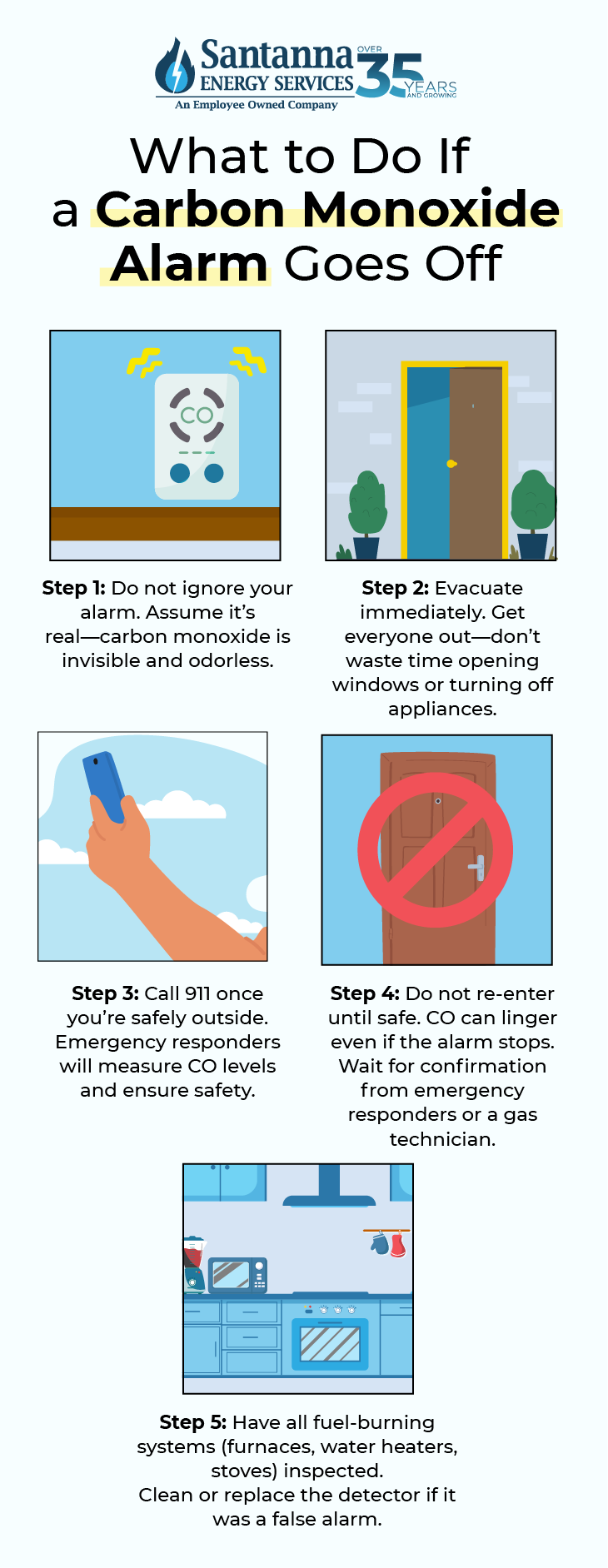
The Dynamic Duo: Combination Alarms to the Rescue!
Now, here's where things get clever and incredibly reassuring! While separate devices are perfectly effective, modern innovation has given us the best of both worlds: the combination smoke and carbon monoxide alarm. These brilliant little gadgets house both types of sensors – one for smoke and one for CO – all in a single unit. It's like having two superheroes in one body, each ready to tackle a different villain, but both working seamlessly to protect your home and family.
Imagine the peace of mind! Instead of remembering to install a smoke alarm here and a CO alarm there, you can often cover both bases with one smart installation. These combo units provide distinct alerts for smoke and CO, ensuring you know exactly what danger is present. No more guessing, just clear, immediate warnings. It's truly a heartwarming advancement, simplifying home safety without compromising on vigilance. They’re a fantastic choice for any home, especially when you consider the silent, invisible nature of carbon monoxide.
![Carbon Monoxide Detector Went Off Twice Then Stopped [Explained] – Fire](https://firesafetysupport.com/wp-content/uploads/2023/03/co-alarm-goes-off-what-to-do.jpeg)
Checking Your Lifesavers: A Quick Guide
So, what's the takeaway? Don't assume your existing fire alarm covers everything. Take a moment to investigate! Most alarms have labels on the back or side. Look for clear indications that it detects both "Smoke" and "Carbon Monoxide" or "CO." If it only mentions "Smoke Alarm" or "Fire Alarm," then it's time to consider adding dedicated CO detectors or upgrading to combination units.
Regularly test your alarms (usually by pressing a "test" button) and replace batteries as recommended. For combination units, you’ll typically hear two different test sounds – one for smoke and one for CO – confirming both sensors are working. These unassuming devices are your home’s first line of defense against invisible dangers. Knowing what they do, and what they don't, empowers you to create a safer, happier home for everyone.

