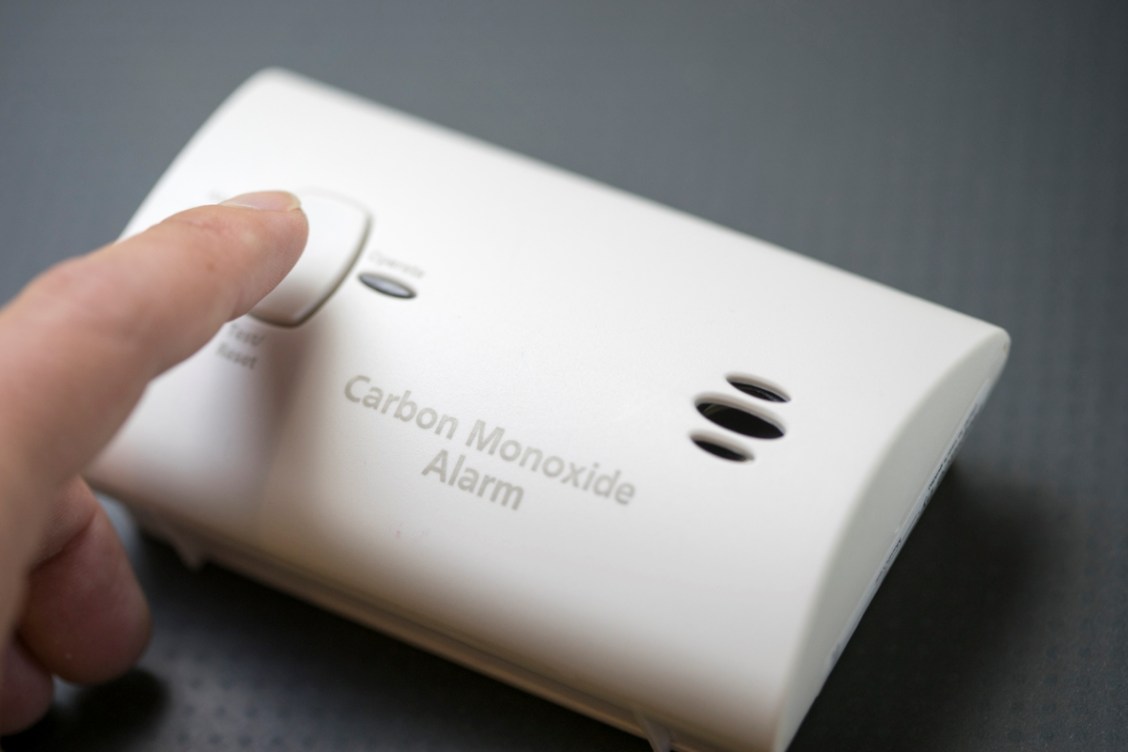
Do Carbon Monoxide Detectors Beep When The Battery Is Low
Hey there, comfort connoisseur! Let's talk about something that's probably interrupted your peaceful slumber more than once: that mysterious, intermittent beep that echoes through the house at 3 AM. You know the one. It’s like a tiny, very insistent bird has taken up residence inside your walls, but with a more metallic, slightly alarming tone.
Often, our first thought darts to the smoke detector. "Ugh, not again!" But what about its silent, equally important cousin, the carbon monoxide detector? Does that little guardian of your safety also join the low-battery beep choir? Great question!
The Short, Sweet Answer: Absolutely, YES!
That’s right! Your carbon monoxide (CO) detector is a pretty smart cookie. It doesn't just sit there silently waiting for the invisible, odorless, and incredibly dangerous gas to show up. It also keeps tabs on its own power supply. And when that power starts to dwindle, it's going to let you know, loud and clear (or, well, quietly persistent).
Must Read
Think of it like this: your phone yells at you when its battery is low, right? It doesn't just power down and leave you hanging. It gives you a heads-up so you can plug it in. Your CO detector does the same thing, but with slightly higher stakes than missing out on the latest cat video. It's saying, "Hey! I'm running low on juice, and I need to be in tip-top shape to keep you safe. Please, for the love of all that is lung-healthy, change my batteries!"
What That Low-Battery Beep Sounds Like
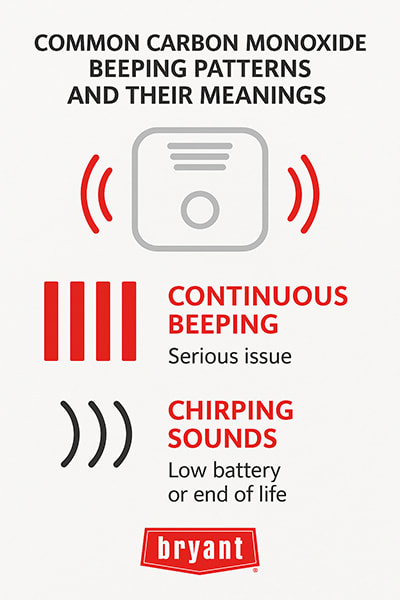
Now, this is super important. The low-battery beep from your CO detector is usually a single, short chirp that repeats every 30 to 60 seconds. It’s annoying, yes, but it’s deliberately different from the full-blown CO alarm.
- A low-battery beep is typically a "chirp... (pause)... chirp... (pause)".
- A real CO alarm is a much louder, more urgent, and often continuous series of beeps (e.g., four quick beeps, then a pause, then four quick beeps again). That's your cue to get out of the house immediately!
So, if you hear that persistent, sporadic chirp, take a deep breath (of fresh, non-CO air!). It's probably just a battery issue. If it’s the loud, continuous alarm, however, that’s when you activate your emergency plan. Know the difference, folks!
Why Do They Bother? It's All About Reliability
Why wouldn't they just… stop working? Well, because then they wouldn't be doing their job! The whole point of a CO detector is to provide constant vigilance. If its batteries die without a warning, you'd have a false sense of security, believing you're protected when you're actually not. That's a big no-no.
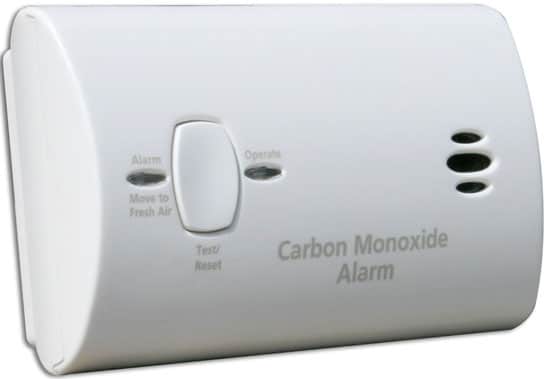
The detector uses its precious remaining battery power to send out that little "SOS" signal. It’s a design feature, not a bug, and it’s there to empower you to maintain your safety equipment properly.
Okay, It's Beeping. Now What?
First off, locate the offending chirper. Sometimes it's a detective mission worthy of Sherlock Holmes. Once you've identified the specific CO detector that's singing its low-battery song:

- Don't panic! (Unless it's the actual CO alarm, then absolutely panic a little, but mostly, evacuate!)
- Get new batteries. Most CO detectors use standard AA or AAA batteries, but some might take 9-volt. Always check the manufacturer's instructions to be sure.
- Swap 'em out! This is usually a straightforward process. Pop open the battery compartment, replace the old ones with fresh, juicy new ones.
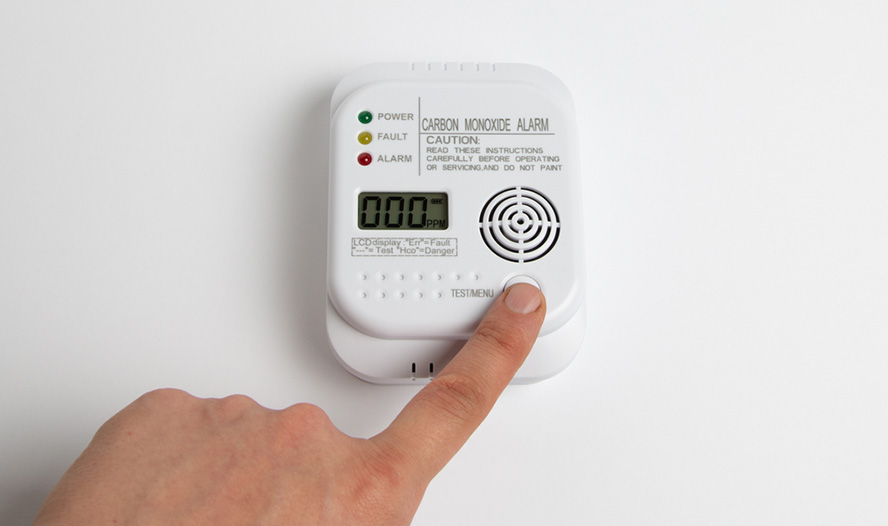
- Test it! After changing the batteries, press the "test" button on your detector. It should emit a loud, clear alarm sound, confirming it's back in business.
A Little Friendly Nudge for Ongoing Safety
To avoid those 3 AM wake-up calls (and more importantly, to ensure constant protection), make a habit of changing your CO detector batteries:
- Twice a year: A popular tip is to change them when you adjust your clocks for Daylight Saving Time – "spring forward, fall back, and change the batteries!"
- Check the expiration date: CO detectors don't last forever. Most have a lifespan of 5-7 years, after which the sensor itself degrades. Look for a "replace by" date on the unit.
- Test monthly: Give that test button a press once a month. It’s a quick check to make sure everything's operational.
The Uplifting Conclusion!
So, yes, your carbon monoxide detector will absolutely beep when its battery is low. And while that little chirp might be a minor inconvenience, remember what it signifies: it's working! It's a proactive, thoughtful guardian doing its job, reminding you that it's always ready to protect you and your loved ones from a silent, invisible threat.
It speaks up not to annoy you, but to empower you with peace of mind. So, next time you hear that familiar chirp, instead of groaning, give a little nod of appreciation to your diligent detector. Change its batteries, give it a pat (figuratively, of course), and rest easy knowing your home is a safe, cozy haven. You're doing great, keeping your home happy and healthy!