Do Booster Seats Have An Expiration Date
Ah, parenthood! It’s a beautiful, chaotic journey filled with countless decisions, endless laundry, and a never-ending parade of "stuff" for the little humans we adore. From tiny onesies to towering LEGO creations, our homes become veritable museums of childhood. Among these artifacts, the humble booster seat plays a crucial role in keeping our kiddos safe as they transition from chunky car seats to big-kid belts. But here’s a thought that might sneak up on you: do booster seats have an expiration date?
Spoiler alert: yes, they absolutely do!
The "Why" Behind the "When"
It might seem a bit odd, right? Unlike that gallon of milk in the fridge or those artisanal cookies you forgot about, a booster seat doesn't exactly "spoil." But think of it this way: your car itself has parts that degrade over time, tires that wear out, and technology that becomes outdated. Booster seats are no different.
Must Read
The main culprits behind that expiry date are material degradation and evolving safety standards. Over the years, the plastic shell and foam components of a booster seat are exposed to a lot: temperature fluctuations (think scorching summer days and frosty winter mornings in your car!), UV rays from the sun, and general wear and tear from everyday use (and let’s be real, a few juice box spills). These environmental factors can weaken the plastic and reduce the integrity of the seat over time, making it less effective in a crash.
Furthermore, safety technology isn't static. Just like cell phones get smarter and cars get safer, child passenger safety standards are continually updated and improved. An older seat, even if structurally sound, might not meet the most current, stringent safety requirements that could offer better protection for your child. It's like trying to run the latest apps on a vintage flip phone – it just won't cut it!
Hunting for the Date
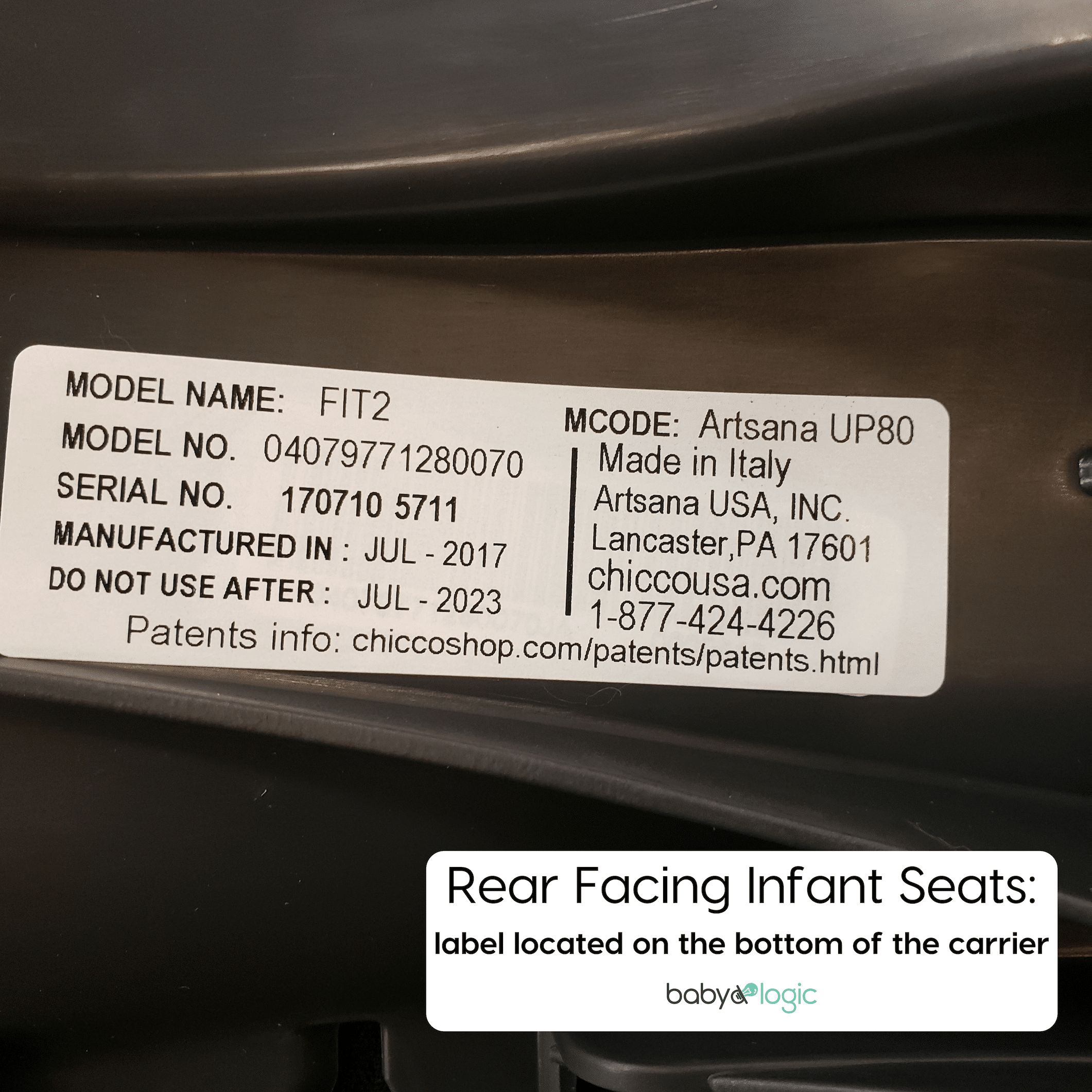
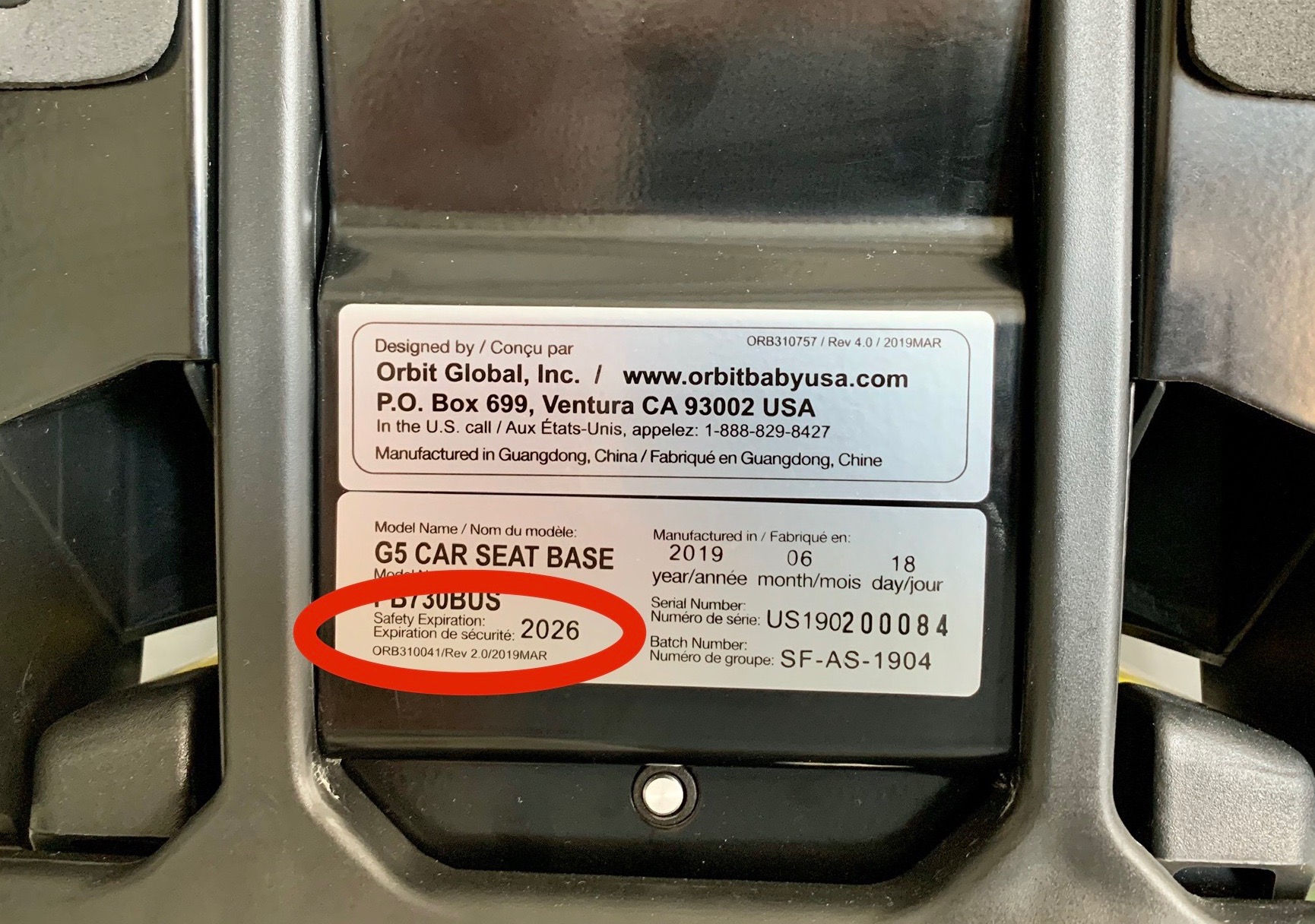
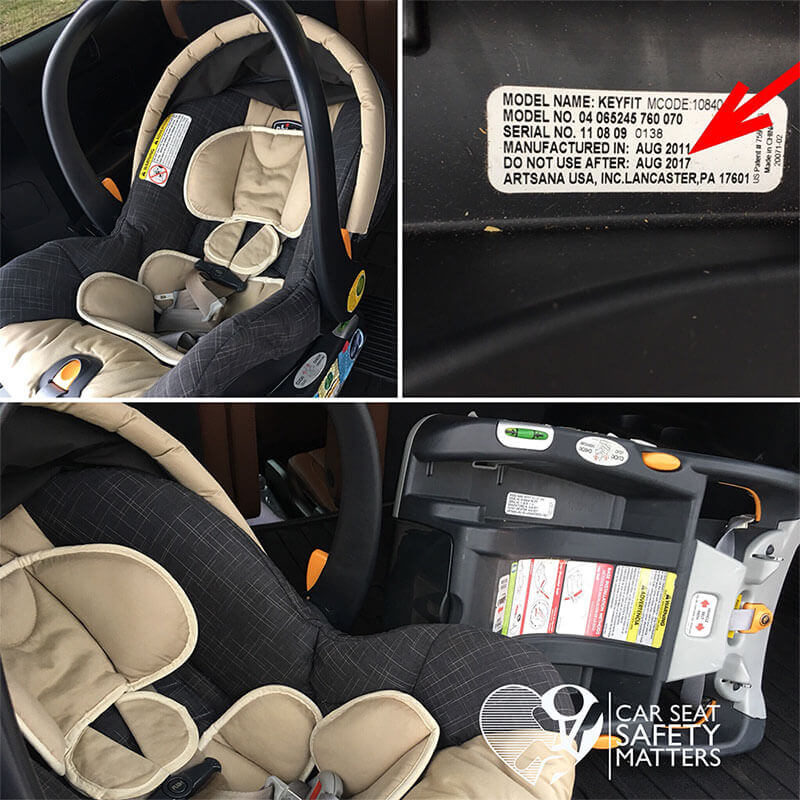
So, where do you find this elusive date? Most booster seats have the expiration date stamped or molded into the plastic, usually on the back or bottom of the seat. It might be near the manufacturing date. Sometimes, it’s on a sticker with the model number and other important information. Make it a little treasure hunt!
If you can't find one, a general rule of thumb for many manufacturers is typically around 6-10 years from the date of manufacture. When in doubt, it’s always best to check the manufacturer's website or contact their customer service line directly. They're the experts, after all!
The Risks of Riding Expired
Using an expired booster seat isn't just about following the rules; it's about safety first, always. An expired seat simply cannot guarantee the same level of protection it was designed for when it was brand new. In the event of an accident, a compromised seat might not perform as expected, putting your child at unnecessary risk. That peace of mind knowing your little passenger is as safe as possible? Priceless.

Think of it like this: you wouldn't send your kid to school with a rusty old bike that's missing a brake, right? The booster seat is your child's safety equipment for every car ride. Don't skimp on its integrity.
Beyond the Date: Other Reasons to Retire a Booster
Even if your booster hasn’t hit its expiration date, there are a few other critical scenarios that warrant its immediate retirement:
- After a Crash: Even a minor fender bender can compromise the structural integrity of a car seat or booster. Most experts recommend replacing it after any crash, no matter how small. Think of it like a football helmet — once it's taken a hit, its protective capabilities might be compromised.
- Missing Parts: Did that cupholder mysteriously vanish? Is a buckle component acting funny? Don't try to jury-rig it. Missing or damaged parts mean it's time for a new seat.
- Visible Damage: Cracks in the plastic, frayed straps, or squashed foam are all red flags.
- Hand-Me-Downs with a Mystery Past: While we love a good hand-me-down, car seats and boosters are one item where knowing the full history (no crashes, not expired, all parts present) is absolutely essential. If you can't be 100% sure, it's safer to pass.
What To Do When It's Time to Say Goodbye
So, you’ve checked, and alas, your trusty booster has reached its limit. What now? Don’t donate it. Seriously, resist the urge. An expired or compromised seat, even if it looks fine, could put another child at risk. Many charities and second-hand stores won't accept them for this very reason.
Instead, consider proper disposal. Some manufacturers offer recycling programs. Your local recycling center might have specific guidelines for plastics. If not, the best practice is to cut the straps, write "EXPIRED" or "UNSAFE" on the seat with a permanent marker, and dismantle it as much as possible before placing it in the trash. This prevents anyone from picking it up and attempting to reuse it unsafely. It's a bit like Marie Kondo for car seats – if it doesn't spark joy (or safety!), it's time for it to go.
A Final Reflection
It’s just one more thing on the parental checklist, we know. But checking that booster seat expiration date is a small action with a huge impact on your child’s safety. It’s about being informed, making smart choices, and ultimately, giving ourselves that little sigh of relief knowing we’ve done our part. So, next time you’re cleaning out the car or doing your periodic gear audit, take a moment to flip over that booster. Your peace of mind (and your little co-pilot's safety) will thank you for it!