Do Aquariums Use A Lot Of Electricity
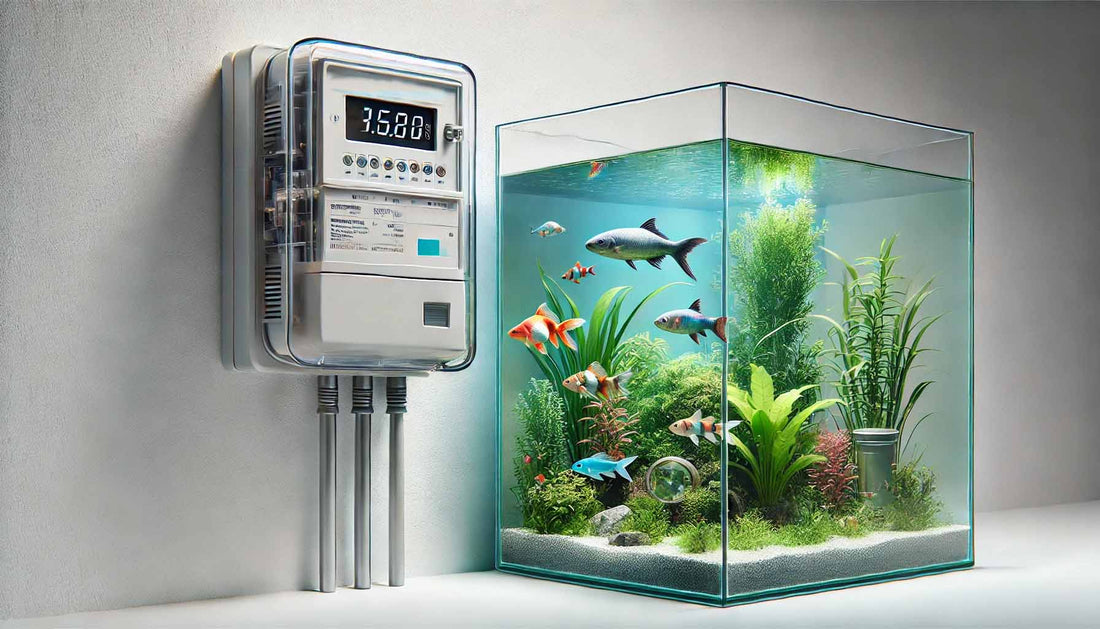
Ever stared into the shimmering world of an aquarium? Those graceful fish, the swaying plants, the gentle bubble of an air stone – it’s a tiny slice of underwater paradise. We often marvel at the beauty, but rarely stop to ponder the unseen forces keeping that magic alive. Specifically, the electrical currents that power this aquatic wonderland. Do aquariums guzzle electricity like a hungry shark, or do they sip it daintily like a seahorse on a tea break? It's a question that surprisingly few fish enthusiasts (or casual observers) ever consider, until that electricity bill lands in the mailbox.
The Secret Life of a Fish Tank
You might think a fish tank is just a glass box with water and fish. How much electricity could that possibly use? A little light, maybe a tiny pump, right? Well, prepare for a gentle splash of reality! While not on the same level as, say, air conditioning your entire house through a heatwave, a thriving aquarium is a mini-ecosystem with some pretty important energy demands. It's less about raw power and more about consistent, round-the-clock dedication to creating the perfect environment for its finned inhabitants. Think of it as running a tiny, luxury resort for fish, 24/7. And luxury, my friends, often comes with a small energy tag.
Meet the Power-Hungry Crew
So, who are these unsung heroes silently drawing power in your aquatic sanctuary?
Must Read
First up is the heater. For many tropical fish, water temperature isn't just a preference; it's a matter of survival. This little gadget works tirelessly, often imperceptibly, to maintain that ideal, balmy warmth. It’s like having a miniature, perfectly regulated underwater fireplace, ensuring your guppies aren't shivering their fins off. On a cold day, or in a cooler room, this device can be quite the dedicated worker, kicking in regularly to keep things cozy.
Then there's the filter. This is the ultimate cleanup crew, quietly sucking up debris, purifying the water, and keeping the tank pristine. Without it, your beautiful aquatic scene would quickly become a murky mess. Whether it's a hang-on-back, an internal power filter, or a powerful canister, it’s constantly circulating water, filtering out waste, and ensuring the water quality is sparkling clean and safe for your aquatic pets. It’s the invisible hero preventing an underwater catastrophe, and it needs a constant stream of power to do its vital work.

And let's not forget the lights! For many aquariums, especially those with live plants or vibrant corals, proper lighting is essential. It helps plants photosynthesize, shows off the brilliant colors of your fish, and mimics the natural day-night cycle. From energy-efficient LEDs to more powerful fluorescent or metal halide setups, these fixtures can illuminate your underwater world with a spectacular underwater glow. While some might be on for just a few hours, others, particularly for planted tanks, can be running for 8-10 hours a day, simulating a perfect aquatic sunrise and sunset.
Is It a Power Plant or a Fish Tank?
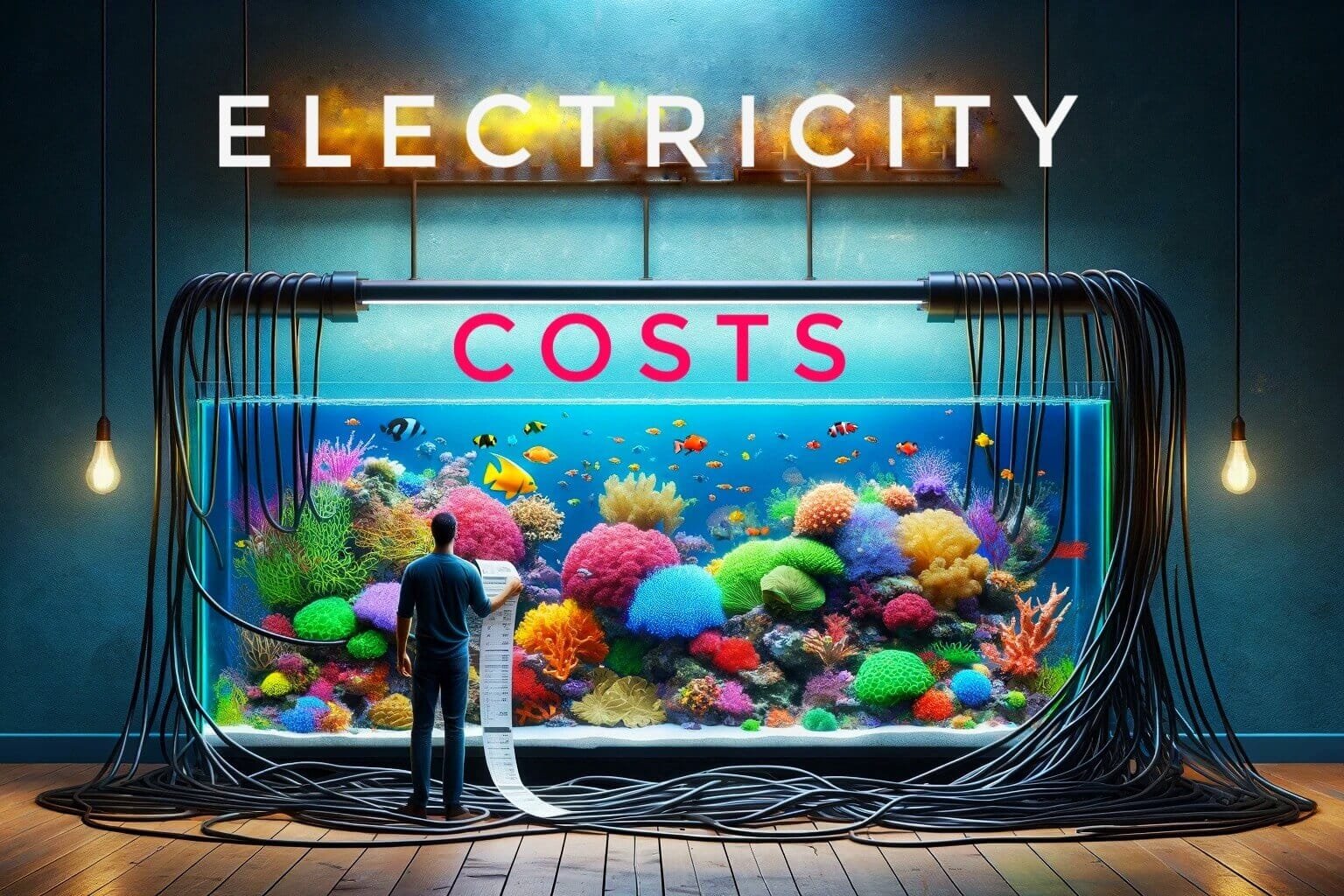
Now, before you panic and unplug your beloved aquarium, it’s important to remember that not all tanks are created equal. The answer to "how much electricity?" is almost always: "It depends!" A tiny betta bowl with a small heater might barely register on your electric bill. A sprawling, heavily planted 100-gallon tank with multiple heaters, powerful filters, CO2 injection, and high-intensity lighting? That's going to tell a different story.

"The bigger the tank, the more equipment it generally needs to thrive, and the more electricity that equipment will consume."
The good news is that advancements in aquarium technology, especially with LED lighting and energy-efficient pumps, have made things much more economical than they once were. Modern equipment is designed to be as efficient as possible, giving you the best bang for your buck, both in terms of fish health and energy usage. So, while size matters, smart choices in equipment can significantly impact that final number. The goal is always a happy, healthy aquatic environment, and sometimes, that means a little investment in consistent power.
The Joyful Current
So, yes, an aquarium does use electricity. It’s the invisible, humming energy that keeps the heater warm, the filter pumping, and the lights shining. It’s the constant current that maintains a delicate balance, allowing tiny worlds to flourish right in your living room. Is it a significant cost? For most home aquariums, it’s a modest addition to the household bill, usually less than running a second refrigerator or a dedicated home office.
But here’s the heartwarming twist: that electricity isn’t just a cost; it’s an investment. It's an investment in the mesmerizing beauty of a living ecosystem, in the calming presence of fish gracefully gliding through water, and in the sheer wonder of cultivating a thriving habitat. It’s the silent guardian ensuring your fish are healthy, your plants are vibrant, and your own personal oasis brings you daily serenity. The moments of peace you gain from watching your little wonders swim and thrive far outweigh the pennies spent on their comfort. So, the next time you gaze into your aquarium, remember the quiet hum of electricity working tirelessly behind the scenes, a small but essential partner in creating your beautiful, bustling underwater world.