Do All Smoke Detectors Have Batteries

Picture this: It’s 3 AM. The house is silent, a peaceful void... until a faint, irritating chirp pierces the quiet. You know the sound, right? That dreaded, high-pitched "I'm dying, please help me" call from a smoke detector battery. You stumble out of bed, eyes half-closed, performing an impromptu detective mission in the dark, trying to pinpoint which ceiling-mounted sentinel is making the noise. Is it the one in the hall? The kitchen? The one in that guest room nobody ever uses?
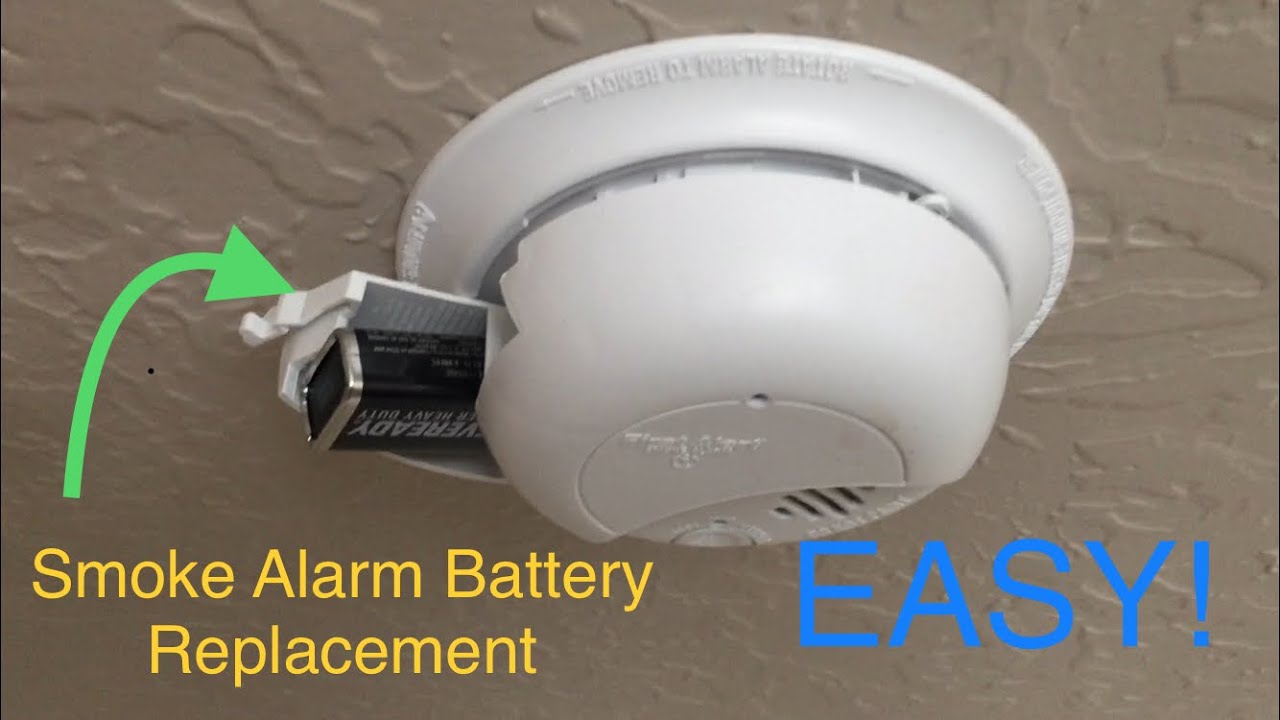
After what feels like an eternity (and maybe a stubbed toe or two), you find the culprit. You grab a chair, pop open the cover, yank out the old 9V, shove in a fresh one, and bask in the sweet, sweet silence. Phew! Mission accomplished. But as you climb back into bed, a thought might just flicker across your sleep-deprived brain: "Do ALL smoke detectors have batteries?" Or, are there some sneaky ones out there that don't rely on those little power packs?
It's a really good question, honestly. And the answer, like most things in life, isn't a simple "yes" or "no." It's a bit more nuanced, like trying to pick the right Netflix show when you're just looking for background noise. (You know the struggle!)
Must Read
The Classic Battery-Powered Buddy
Let's start with the one we're all familiar with: the solely battery-powered smoke detector. These are your independent little heroes. They run entirely on batteries – usually a 9-volt, sometimes AA or AAA for newer, sleeker models. They're super easy to install, often just needing a few screws into the ceiling or wall. No complicated wiring required, which is a big win for DIY enthusiasts.
The downside? You guessed it: that dreaded chirping. These guys are the ones most likely to wake you up at an ungodly hour because their battery is running low. They're also the ones you absolutely must remember to test regularly and replace batteries in, or they become glorified ceiling decorations. (Please don't let them become just decorations!)

The Hardwired Heavyweights (with a Secret Weapon)
Now, this is where it gets interesting, my friend. Many modern homes, especially those built or renovated in the last few decades, come equipped with hardwired smoke detectors. What does "hardwired" mean? It means they're connected directly to your home's electrical system. They get their primary power straight from your house's electricity, just like your lights or your fridge.
So, no batteries then, right? WRONG! And this is the crucial bit. The vast majority of hardwired smoke detectors are required by building codes to have a battery backup. Why? Imagine a power outage. If your smoke detector relied only on the house's electricity, it would be useless the moment the lights went out. The battery backup kicks in during an outage, ensuring your home remains protected even when the grid is down.
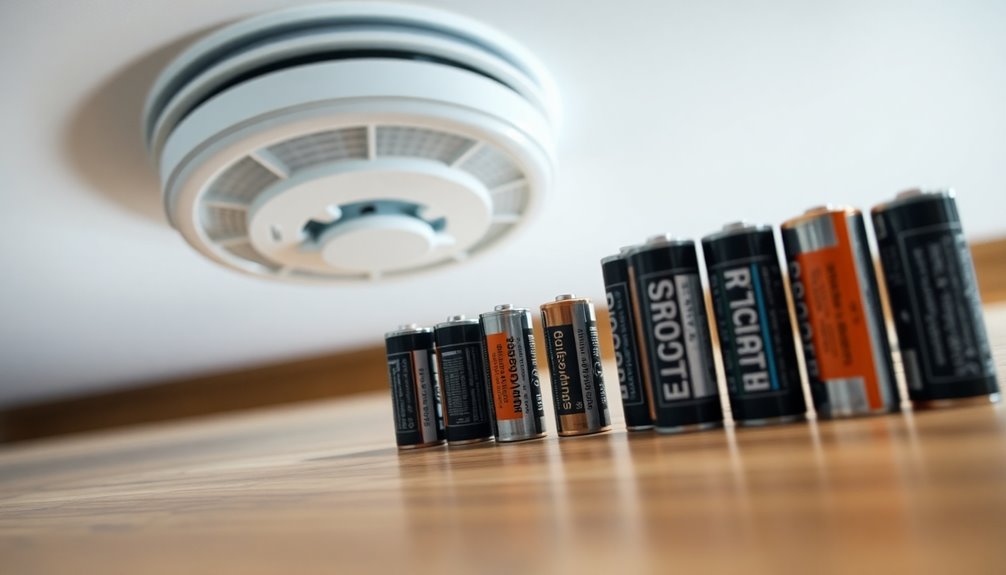
This is often the type that confuses people. They see it wired into the ceiling and assume no battery, but then it still chirps. That chirp is usually the sign that the backup battery needs replacing. Sneaky, right?
The Rare Birds: Hardwired Without Backup (Mostly Obsolete)
In some very old installations, or in certain commercial settings with dedicated backup power systems, you might encounter hardwired smoke detectors that don't have a battery backup. However, this is increasingly rare for residential properties due to stricter safety codes. If you have an older home, it’s worth checking, but generally speaking, assume your hardwired unit has a battery.

The Smart Home Sentinels
And then there's the smart home era! Devices like Nest Protect or Ring Alarm smoke detectors are also a mix. Many of these are hardwired but also include a long-lasting battery backup (often sealed for 10 years) or even run primarily on batteries with smart features. They often communicate with each other, so if one detects smoke, they all go off – a very handy feature!
So, What's the Takeaway for YOU?
The bottom line is this: most smoke detectors you'll encounter will have a battery of some kind. Even if they're hardwired, they almost certainly have a battery backup. That little plastic cover and a slot for a 9V (or other size) battery? It's probably there.
The real lesson here isn't just about batteries; it's about knowing your detectors. Take a moment, maybe on a nice sunny afternoon (not 3 AM, please!), and gently twist open one of your smoke detectors. See what's inside. Is it just a battery? Or is it wired into the ceiling and has a battery? Knowing this empowers you to maintain them properly. And remember, no matter the power source, always test your smoke detectors monthly by pressing that handy little test button. It’s a tiny action that could make a world of difference.