Do All Smoke Alarms Detect Carbon Monoxide
You know that little white disc on your ceiling, the one that sometimes chirps at 3 AM or screams when you burn toast? That’s your trusty smoke alarm, a silent guardian in many homes. But here's a curious question that many of us casually wonder about: Do all smoke alarms detect carbon monoxide? It’s a really good question, actually, and knowing the answer isn't just a fun fact for a trivia night – it’s genuinely important for your family's safety and peace of mind. So let's peel back the layers of this everyday household mystery!
Most of us probably assume that if it detects smoke, it must detect everything else bad in the air, right? Well, not quite. The primary purpose of a smoke alarm is, as its name suggests, to detect smoke particles in the air, signaling a potential fire. These alarms are designed to give you precious time to escape when a fire breaks out. They are fantastic at what they do, providing an invaluable early warning. The benefit is clear: saving lives by alerting occupants to fire dangers, especially when they're asleep.
Carbon monoxide (CO), on the other hand, is a completely different beast. It's often called the "silent killer" because it's an invisible, odorless, tasteless gas produced by the incomplete combustion of fuels like natural gas, propane, oil, wood, and gasoline. Think of leaky furnaces, blocked chimneys, or cars left running in an enclosed space. Unlike smoke, you can’t see or smell CO poisoning happening, which makes a dedicated carbon monoxide detector absolutely crucial. Its purpose is to sound an alarm when dangerous levels of CO are present, preventing serious illness, brain damage, or even death from CO poisoning.
Must Read
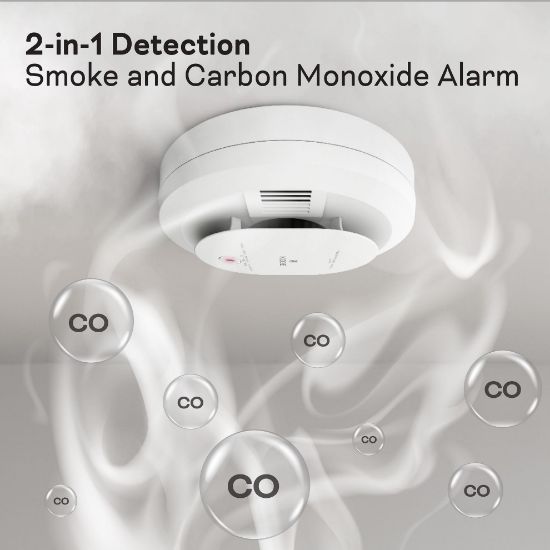
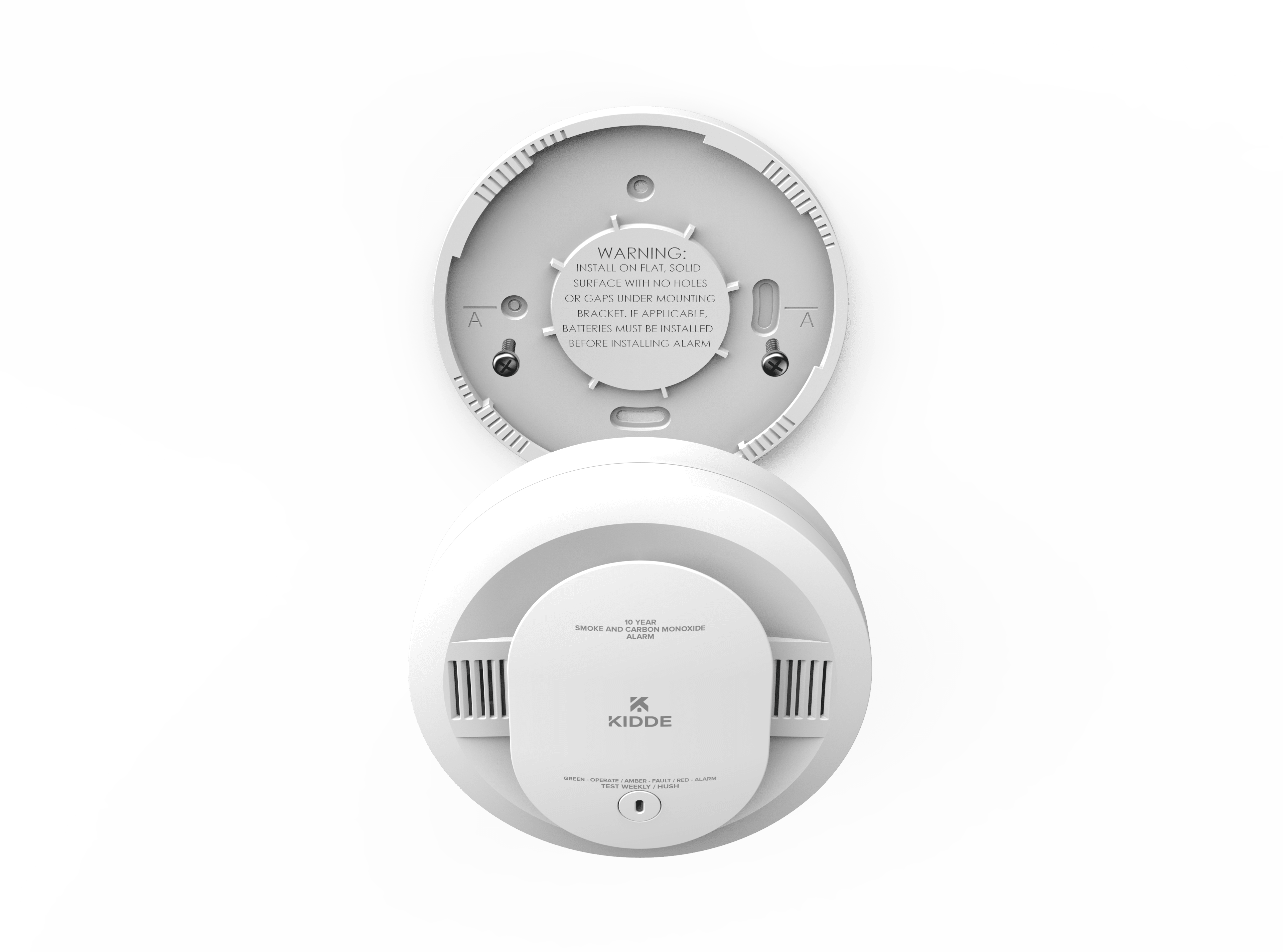
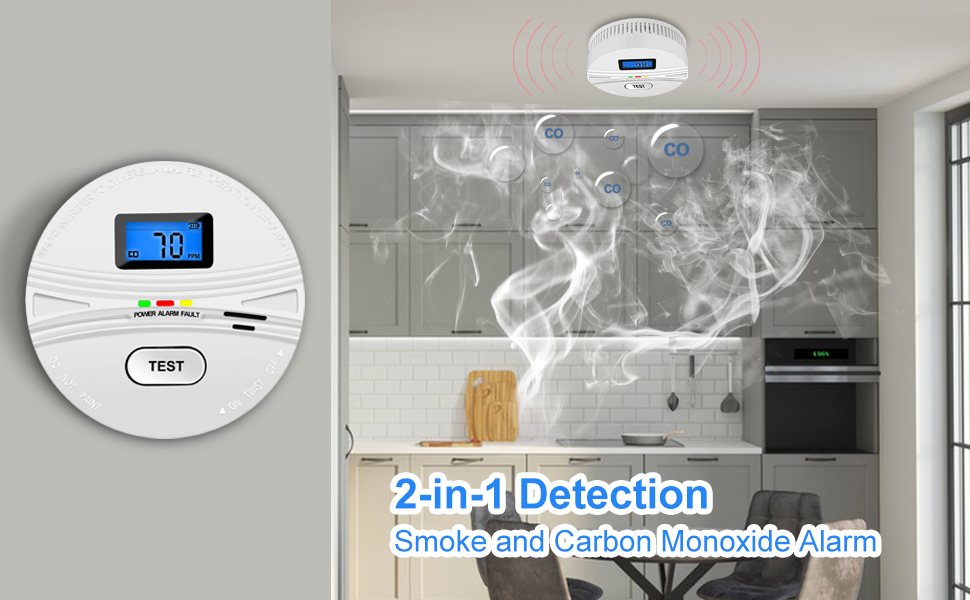
So, back to our original question: Do smoke alarms detect CO? The short answer is, not unless they specifically say so. In daily life, this is where the confusion often arises. Many homes have only smoke alarms. While these are vital, they won't warn you about a CO leak. You'll find many educational resources, from fire departments to safety organizations, emphasizing the distinct roles of these devices. Some newer devices are designed as "combination alarms," which means they are built to detect both smoke and carbon monoxide. These are brilliant because they offer dual protection in a single unit, saving space and simplifying installation.
Ready for a practical tip? Go take a peek at your alarms! It’s a simple way to explore this topic right in your own home. Look closely at the label on each device. Does it explicitly state "Smoke and Carbon Monoxide Alarm" or "CO Alarm"? If it just says "Smoke Alarm" or "Fire Alarm," then it's only looking for smoke. If you only have smoke alarms, or aren't sure, consider investing in dedicated CO detectors or combination units. Install CO detectors on every level of your home, especially near sleeping areas, and follow the manufacturer's placement guidelines. Remember to test all your alarms monthly by pressing the test button and replace them according to their lifespan, usually 7-10 years for smoke alarms and 5-7 years for CO detectors. Knowing what’s protecting you is the first step to truly safe living!