
Do All Fire Alarms Detect Carbon Monoxide
Ever been chilling at home, minding your own business, when suddenly – BEEP BEEP BEEP! That jarring sound of a smoke alarm going off. Maybe it was just burnt toast (guilty!), or perhaps something more serious. In that moment of mild panic, have you ever wondered: what exactly is that little gadget detecting? Is it just smoke, or is it also sniffing out something more insidious like carbon monoxide (CO)?
It’s a really common question, and honestly, it’s super smart to ask! In our cozy homes, we rely on these sentinels to keep us safe. But here’s the curious twist: the answer isn't always a straightforward "yes." Let’s unravel this mystery together, in a super chill, no-panic kind of way.
The Big Reveal: Not All Heroes Wear the Same Cape
Alright, let’s get straight to it. The short, friendly answer is: no, not all fire alarms detect carbon monoxide. Mind blown? Maybe a little! It turns out, your typical smoke alarm is a specialist. It’s primarily designed to detect... wait for it... smoke!
Must Read
Think of it like this: imagine you have a very skilled detective whose superpower is finding visible clues, like footprints or shattered glass. That's your smoke alarm, specifically tuned to spot tiny particles that come from burning materials.
Smoke vs. The Invisible Ninja (aka Carbon Monoxide)
So, what’s the difference between smoke and carbon monoxide that requires different detection methods?
Smoke is generally pretty obvious. You can see it, you can often smell it, and it's made up of tiny solid and liquid particles floating in the air, a clear sign of fire. Traditional smoke detectors use different technologies to spot these particles – some look for particles interrupting a beam of light (photoelectric), others detect changes in electrical current caused by smoke particles (ionization). Pretty neat, right?
Carbon monoxide (CO), on the other hand, is a whole different beast. It's often called the "silent killer" because it’s completely invisible, odorless, and tasteless. You literally wouldn't know it's there without a specific sensor. It’s produced when fuels (like gas, oil, wood, charcoal) don't burn completely, which can happen with faulty furnaces, water heaters, stoves, or even car exhaust. When you breathe it in, it replaces oxygen in your blood, leading to serious health issues or worse. Yikes!

Enter the CO Detector: A Different Kind of Watchdog
Because CO is such an invisible sneak, it needs its own special kind of sensor. This is where carbon monoxide detectors come in. These devices use an electrochemical sensor that reacts specifically to the presence of CO gas. It’s a completely different mechanism than what’s inside your average smoke alarm.
Imagine our detective friend from earlier. The smoke alarm is great at finding visible clues. But for the invisible ninja gas, you need a different kind of superhero, one with thermal vision or a super-sniffer power for specific chemicals. That’s your CO detector!
The Best of Both Worlds: Combination Alarms
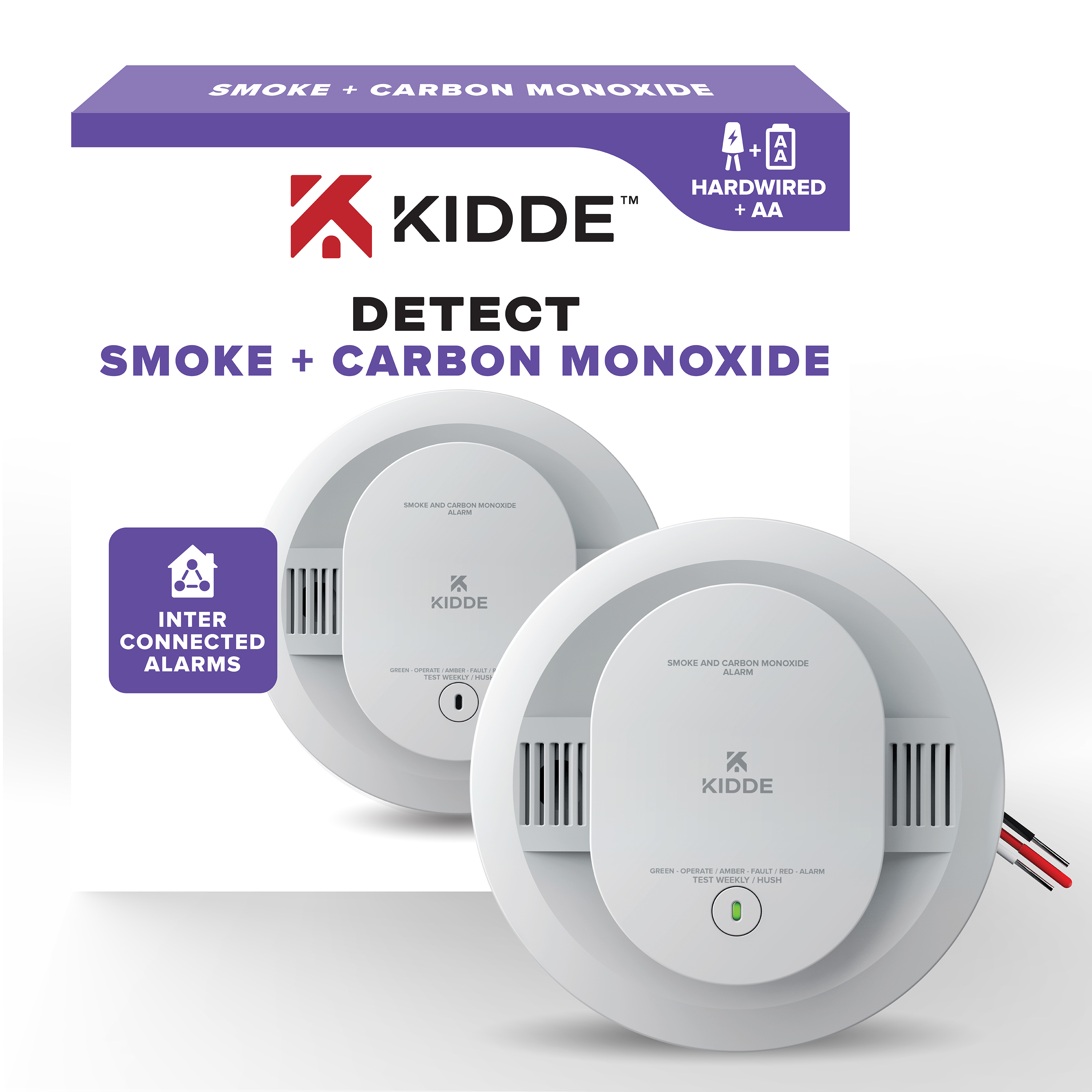
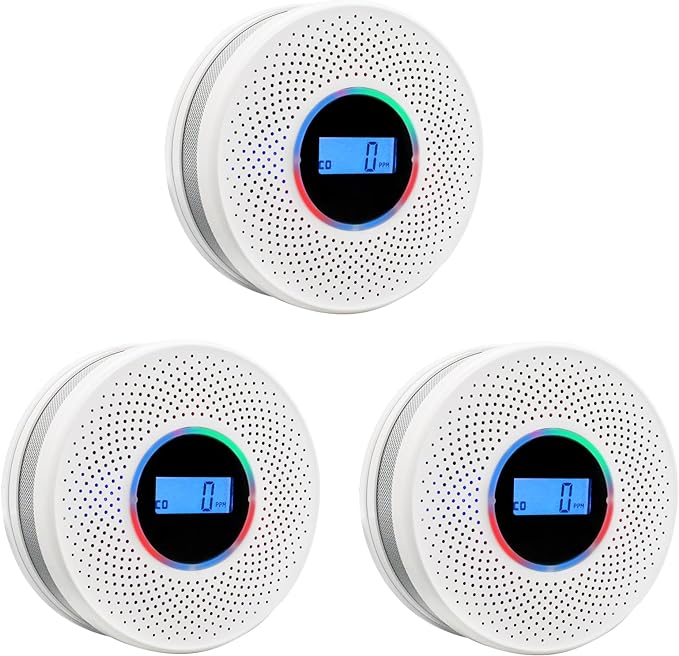
Now, this is where some of the confusion clears up! To make life easier (and safer!), many companies offer combination smoke and carbon monoxide alarms. These brilliant devices are like the Swiss Army knife of home safety. They pack both types of sensors – one for smoke, one for CO – into a single unit.
If you have one of these, then yes, your alarm is detecting both! They usually have different alert sounds for smoke versus CO, so you know exactly what kind of danger you might be facing. Super handy!
So, What's In Your Home? Time for a Little Detective Work!
This is the fun part! Now that you know the difference, it’s a great excuse to do a quick tour of your home.
- Look closely at your alarms: Many combination units will clearly state "Smoke and Carbon Monoxide Alarm" right on the label. If it just says "Smoke Alarm" or doesn't mention CO, it's likely just a smoke detector.
- Check the back: Sometimes, the details are on a sticker on the back of the unit.
- Press the test button: Some combination alarms will cycle through different alarm tones for smoke and CO when you hold the test button, giving you an audible clue.
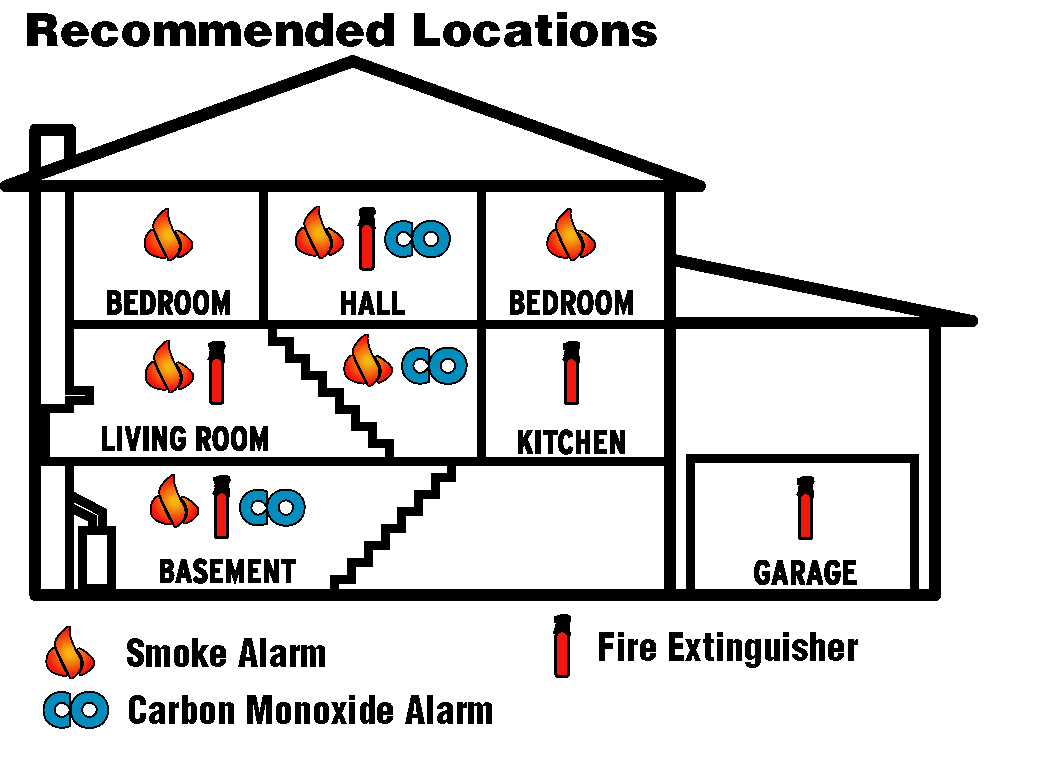
Knowing what kind of alarms you have is empowering. It helps you make informed decisions about your home's safety setup. If you only have smoke alarms, it's a super good idea to add dedicated carbon monoxide detectors, especially near sleeping areas and in rooms with fuel-burning appliances.
The Takeaway: Knowledge is Safety (and Power!)
So, while not all fire alarms detect carbon monoxide, understanding this subtle difference is a huge step towards a safer, more chill home environment. It’s not about fear; it’s about being curious, informed, and proactive about the guardians in your home.
Whether you have separate units, a fancy combo alarm, or are planning to upgrade, giving a little thought to these unsung heroes of home safety is always a smart move. Stay safe, stay curious, and maybe next time that alarm chirps, you’ll have a whole new appreciation for its specific superpowers!