
Disodium Succinate Powder Supplement Fat Loss
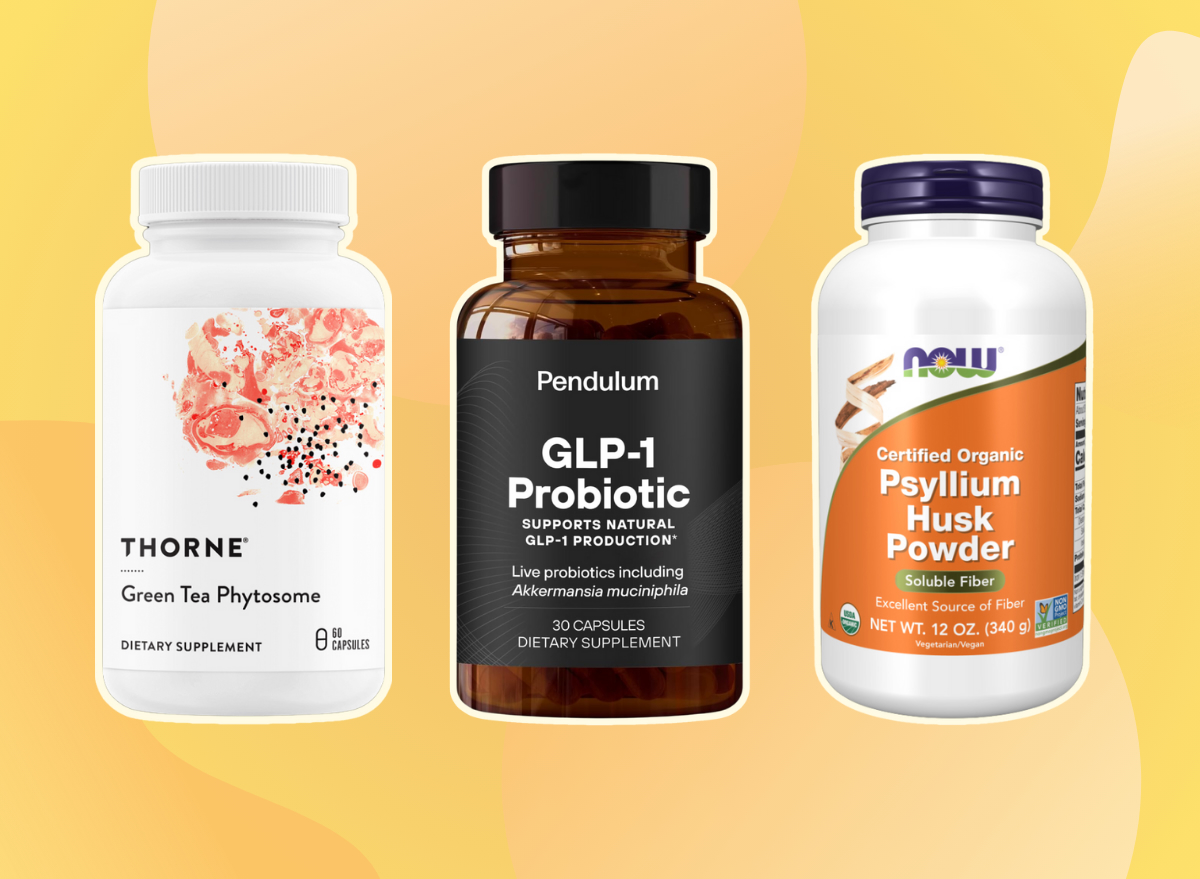
Okay, so picture this: I’m at my local health food store, right? Overwhelmed, as usual. There are so many powders, pills, and potions promising eternal youth and a six-pack in six days. I swear, if I bought everything they advertised, I’d be living in a mansion made of spirulina and kale chips.
That’s when I saw it. A jar labeled “Disodium Succinate Powder.” Disodium… Succinate? It sounded like something Dr. Evil would use to power his doomsday device. But the label claimed it could… help with fat loss? My eyebrows practically did the Macarena.
Now, I'm not a scientist. My knowledge of chemistry peaks at knowing that H2O makes water (mind-blowing, I know!). But being the intrepid explorer of questionable health fads that I am, I decided to dive in. So, grab your metaphorical lab coat and let’s unpack this bizarre-sounding supplement.
Must Read
What in the World IS Disodium Succinate?
Alright, let's get the science-y stuff out of the way first. Disodium succinate is basically a sodium salt of succinic acid. Succinic acid is a naturally occurring compound found in…wait for it… vegetables, fruits, and even animal tissues. I know, it sounds less like a sci-fi ingredient and more like something you accidentally ate in your last salad.
Succinic acid plays a role in the Krebs cycle (also known as the citric acid cycle or tricarboxylic acid cycle). That's a mouthful! Don't worry, you don’t need a PhD to understand this. Just imagine the Krebs cycle as the engine of your cells, constantly churning away to produce energy. It’s what keeps you going, from binge-watching Netflix to running (reluctantly) on the treadmill.
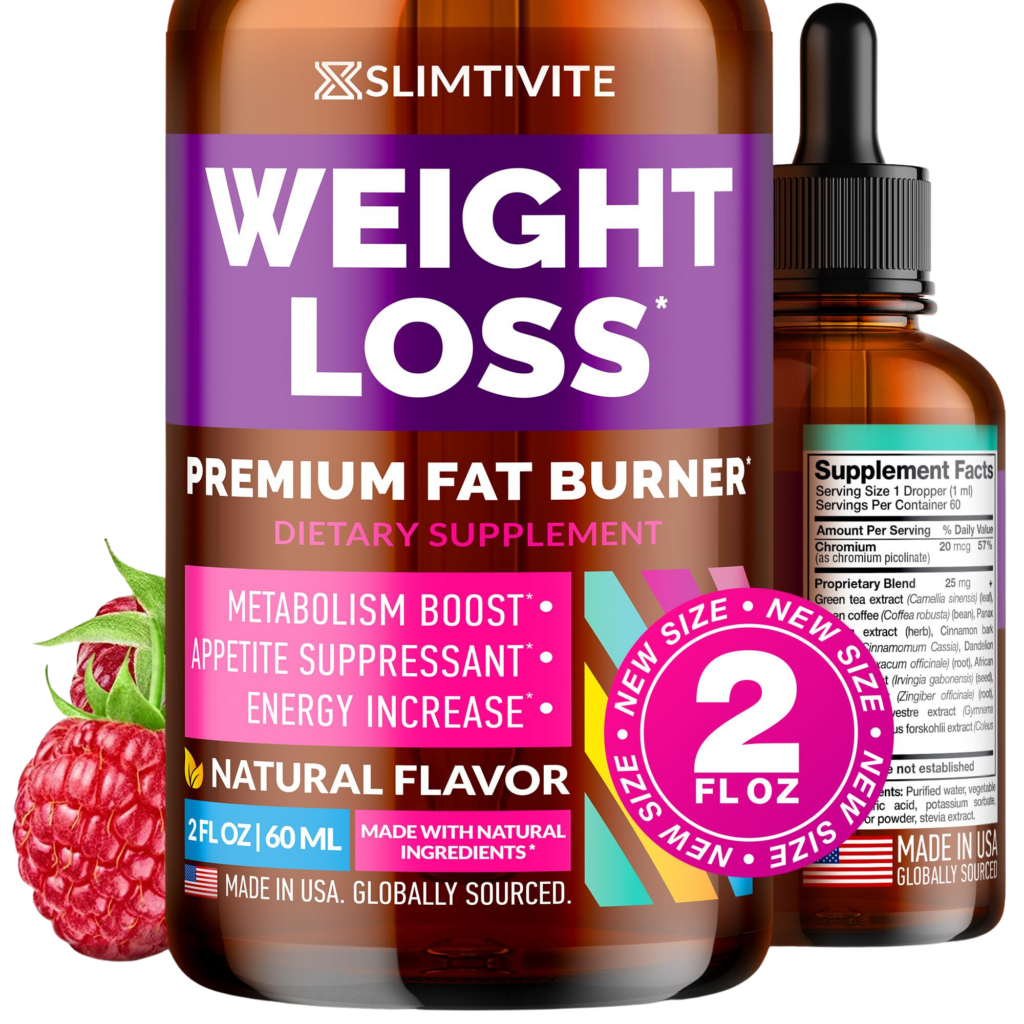
The idea is that by supplementing with disodium succinate, you're essentially giving your cellular engine a little octane boost. More energy production could theoretically lead to increased metabolism and, potentially, a bit of fat burning. Key word: theoretically.
Fat Loss: The Holy Grail (Maybe?)
Okay, let's address the elephant in the room, or rather, the spare tire around my waist. Does this stuff actually help you lose weight? Here's the honest truth, folks: the scientific evidence is… well, let’s just say it’s thinner than my willpower when faced with a plate of freshly baked cookies.
There are a few studies, mostly done on animals or in test tubes, that suggest succinic acid might have some beneficial effects on metabolism and fat oxidation. But those lab rats aren't hitting the gym or resisting late-night pizza. Translating those results to humans is like trying to compare apples and… well, slightly healthier apples.

Here’s the bottom line: Disodium succinate is not a magic bullet. If you're expecting to sprinkle some of this powder on your food and suddenly wake up looking like a Greek god/goddess, you’re going to be sorely disappointed. You’ll probably just end up with slightly saltier food.
The Potential Perks (and Perils)
So, if it's not a fat-loss miracle, why are people even talking about this stuff? Well, some proponents claim that disodium succinate might have other potential benefits, such as:
- Boosting Energy Levels: Remember that cellular engine analogy? Some users report feeling more energetic after taking it. This could be a placebo effect, or maybe it’s actually giving their cells a little kick.
- Reducing Fatigue: This ties in with the energy boost. If your cells are working more efficiently, you might feel less tired.
- Improving Athletic Performance: Again, this is related to energy production. Some athletes might use it hoping to get a slight edge.
But, like with any supplement, there are potential downsides to consider. Since disodium succinate is a sodium salt, it could contribute to increased sodium intake. If you’re sensitive to sodium or have high blood pressure, you should definitely talk to your doctor before trying this.

Also, let's be real, more research is needed. We need well-designed human studies to really understand the effects of disodium succinate and determine its safety and efficacy.
My (Possibly Ill-Advised) Experiment
So, what happened after I bought that jar of mystery powder? Well, being the guinea pig I am, I tried it. I started with a tiny dose (we’re talking a pinch, not a spoonful) and gradually increased it. Did I suddenly shed ten pounds and develop abs of steel? Nope. Did I feel a surge of boundless energy? Not really.
I think I noticed a slight increase in energy levels, but it could have been the extra coffee I was drinking to compensate for my questionable life choices. The truth is, my experiment was inconclusive. I'm not saying it did nothing, but I'm also not about to claim it transformed me into a fitness guru overnight.
The Takeaway: Proceed with Caution (and Maybe a Grain of Salt… or Disodium Succinate?)
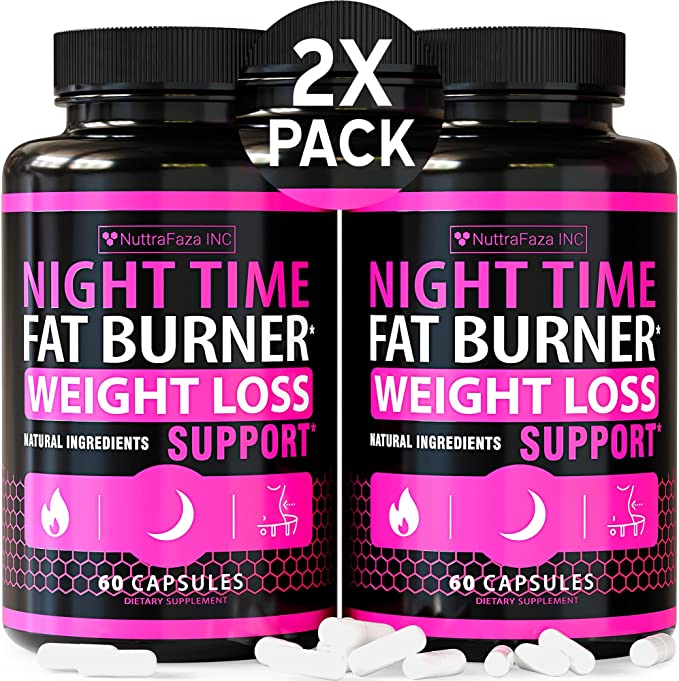
Look, disodium succinate powder might have some potential benefits, but the evidence is far from conclusive. If you're considering trying it, do your research, talk to your doctor, and manage your expectations. Don't expect it to magically melt away fat. It's not a substitute for a healthy diet and regular exercise.
Ultimately, the best way to lose weight and improve your health is to stick to the basics: eat nutritious foods, get plenty of physical activity, and get enough sleep. And maybe, just maybe, sprinkle a little disodium succinate on your food… but don't blame me if it doesn't turn you into Captain America.
Remember, folks, health and wellness are a journey, not a destination. And sometimes, that journey involves trying weird-sounding powders that may or may not do anything. But hey, at least it's a story for the café, right? Now, if you'll excuse me, I'm off to buy a jar of something called "Mitochondrial Activator 3000." Wish me luck!