
Disadvantages Of Motion Sensor Lights
Okay, let's chat about something kinda quirky today: those motion sensor lights. You know, the ones that magically pop on when you walk past? They’re supposed to be super clever, right? Energy-saving heroes! Smart home wizards! But let’s be honest, sometimes they're more like… a slightly dramatic friend who just can’t get it together.
The Ghost of Triggers Past
Ever had your outdoor light blast on at 2 AM? You peek out, half asleep, convinced there’s a shadowy figure lurking. Nope! Just a very ambitious leaf doing its thing in the breeze. Or perhaps a squirrel, plotting world domination from your bird feeder. It's like living in a low-budget horror movie, but the monster is just... nature being nature.
These sensors can be so sensitive. A moth flutters by, BAM! Full floodlight spectacle. Your neighbor's cat saunters across the lawn? Light show activated! It's amusing, sure, but also a tiny bit annoying. And definitely not saving energy when it's lighting up a bug's midnight snack run every five minutes. Talk about a phantom energy drain!
Must Read
The Stillness Struggle is Real
Now, picture this: You’re in the garage, totally focused. Maybe you’re organizing tools, or meticulously dusting that vintage lawn gnome collection. You’re being super still. Perhaps too still. Suddenly, darkness descends!
Your hands are full, or you're covered in grease. What do you do? You start doing the sensor dance. Waving your arms like a deranged octopus trying to signal an alien spacecraft. Maybe a quick jig! Anything to convince the sensor you are, in fact, still a living, breathing human and require illumination. It’s less "smart home" and more "awkward interpretive dance studio."
This happens indoors too! Trying to read a book in a pantry with a sensor light? Good luck. You'll be interrupting your deep thoughts every few minutes with a spontaneous arm wave. It's a real buzzkill for deep contemplation. Who knew lighting could be so demanding?
The Goldilocks Problem: Too Much, Too Little
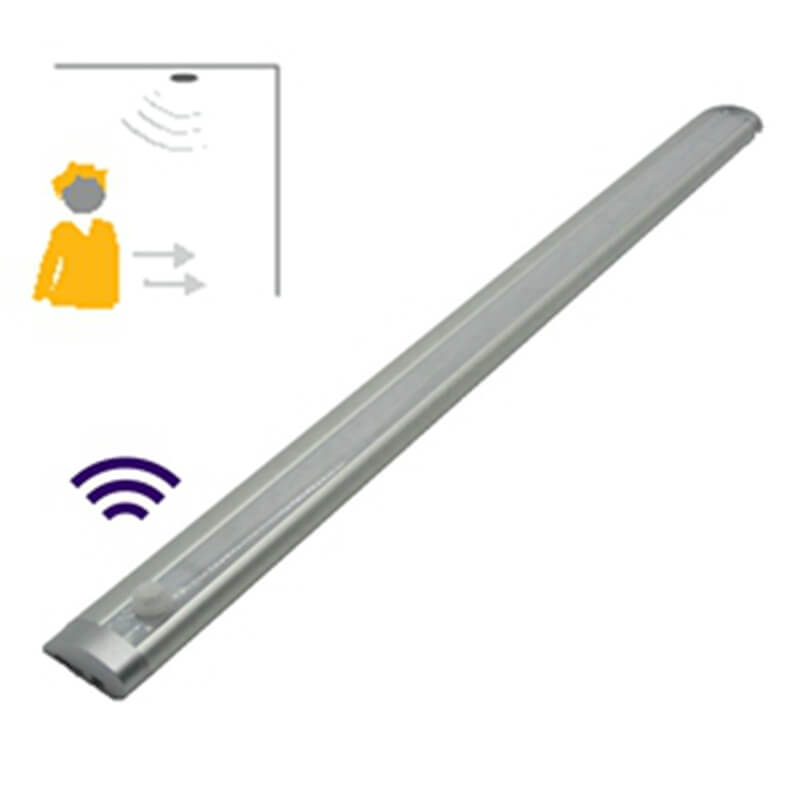
Motion sensors often suffer from a severe case of Goldilocks syndrome. They’re either way too sensitive or not sensitive enough. You want it just right, right?
Sometimes they trigger if a shadow from a passing car dares to flicker across your driveway. Other times, you practically have to do a full-on theatrical entrance, complete with jazz hands and a dramatic stomp, just to get a glimmer. It’s a constant battle of adjustment, and frankly, who has the time for that kind of light-fixture therapy?
And what about pets? Your tiny chihuahua, bless its heart, might be completely invisible to a sensor mounted for a towering human. So your poor pup is left navigating the dark, bumping into furniture. The injustice! Your furry friend deserves better.

The Silent Energy Drain (Sometimes!)
Wait, aren't these supposed to save energy? In theory, absolutely! But in practice? Not always so simple. Think about all those false alarms we just talked about. Each time the wind blows, or a bug flies past, the light goes on. That's a tiny burst of energy, repeated countless times.
Plus, the sensor itself needs power. It's like a tiny spy, constantly on guard, waiting for movement. This "standby" power consumption might be small, but it's always there. So while they reduce constant lighting, they introduce a different kind of energy usage. It's a trade-off, not always the magical green solution we imagine. A real head-scratcher!
Security's Quirky Paradox
Here’s a funny one: motion sensor lights for security. Great idea, right? Surprise an intruder! But what if your lights are constantly going off for squirrels, cats, and shadows? Pretty soon, everyone, including potential ne'er-do-wells, starts to ignore them. It's the "Boy Who Cried Wolf" story, but with lumens instead of livestock.
A constantly flashing light could also become a beacon for someone to investigate, rather than deter them. It’s a bit of a mixed bag, isn't it? Sometimes, subtlety is key. Who wants their home to look like a disco every time a leaf blows by?
The Neighbor Nuisance Factor
Ever been on the receiving end of a neighbor’s overly enthusiastic motion sensor light? Every time they step out to get the mail, your bedroom window is suddenly bathed in a flash of light. Or worse, their light triggers when you step out! It’s an accidental light trespass, a little "hello" you didn't ask for.
It can create a low-key, passive-aggressive neighborhood feud that nobody ever talks about but everyone feels. "Oh, Carol's sensor light is on again. Guess she's admiring her begonias... or judging my recycling habits." Awkward. Better just to wave and pretend nothing happened.
Cold Feet and Hot Heads (Temperature Shenanigans)
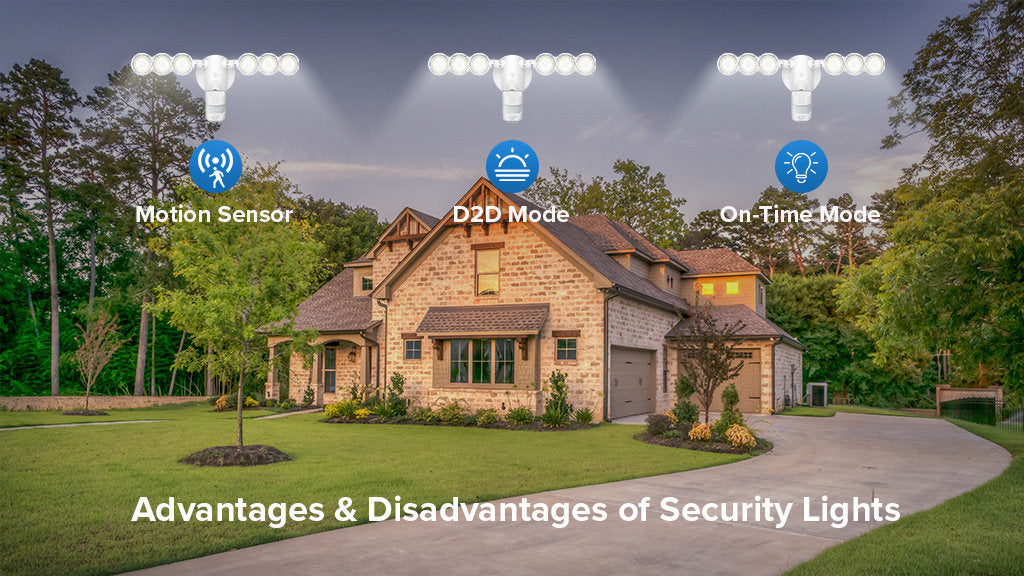
Most common motion sensors, called Passive Infrared (PIR) sensors, work by detecting changes in heat. They see you as a warm blob moving against a cooler background. Pretty neat, huh?
But what happens when it's super hot outside, and the ambient temperature is almost the same as your body heat? Or freezing cold? Their effectiveness can sometimes go a bit wonky. They might be less sensitive, or conversely, trigger due to sudden cold drafts or warm exhaust vents. It adds another layer of unpredictability to their already dramatic tendencies. The drama just never ends!
So, Are They Bad?
No, not at all! Motion sensor lights are still fantastic for many things. They’re super handy for dark stairwells, pantries, and making sure you don't trip over that rogue garden hose at night. They absolutely have their place in our tech-filled lives. No denying their utility.
But it's fun to poke a little fun, isn't it? To laugh at their quirks and those moments when they just don't quite hit the mark. Because sometimes, the "smart" stuff in our homes can be the funniest, most human-like of all. They remind us that even our clever gadgets have their own little personalities, and sometimes, those personalities are just a little bit dramatic. And that, my friend, is why they're so much fun to talk about!