
Digestive Disorders Can Seriously Impact Nutrient Transfer And
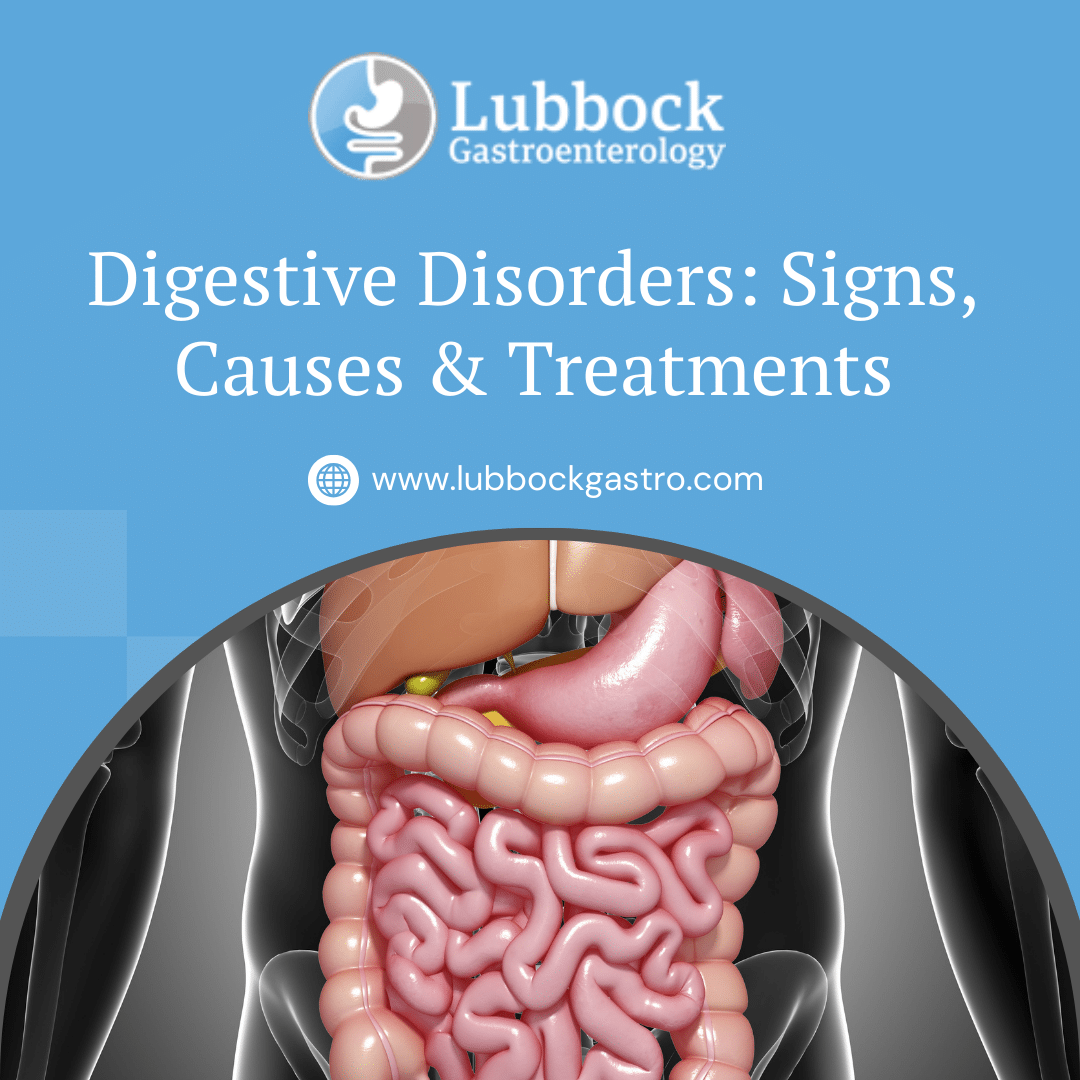
Ever wonder what happens to that delicious pizza after you swallow it? It's quite a journey! Your digestive system is like a super-efficient food processing plant. It breaks down everything you eat into tiny bits. These bits, the nutrients, are then absorbed into your bloodstream. Think of it as refueling your body's engine!
But what if that food processing plant has a glitch? That's where digestive disorders come in. They can throw a wrench in the whole nutrient transfer process. And trust me, it’s not a fun plot twist in your body's story.
The Digestive Drama: When Things Go Wrong
Imagine a conveyor belt jammed with oranges. That's kind of what happens with some digestive disorders. Instead of smoothly moving nutrients from your food into your body, things get backed up, inflamed, or just plain chaotic. It's like a food fight in your gut, and nobody wins!
Must Read
Think about conditions like Irritable Bowel Syndrome (IBS). It's a real party pooper for nutrient absorption. IBS can cause bloating, cramping, and changes in bowel habits. It’s like your gut is throwing a tantrum, making it hard for your body to grab all the good stuff from your food.
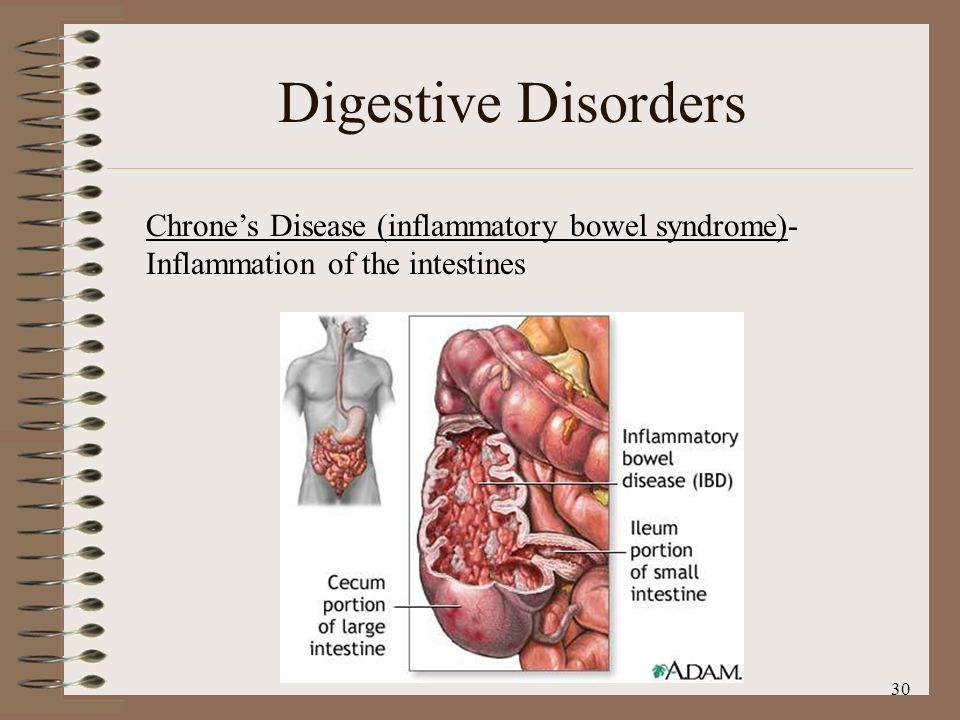
Then there's Inflammatory Bowel Disease (IBD), which includes conditions like Crohn's disease and ulcerative colitis. These are like full-blown wars in your digestive tract. The inflammation can damage the gut lining. This damage makes it super difficult for nutrients to pass through and nourish your body. It's like trying to get water through a sieve with extra-large holes!

And let’s not forget about celiac disease. This is where your body goes to war with gluten, a protein found in wheat, barley, and rye. When someone with celiac disease eats gluten, their immune system attacks the small intestine. This attack damages the villi, tiny finger-like projections that absorb nutrients. No villi, no absorption, major problem! It’s like dismantling the entire nutrient absorption infrastructure.
Nutrient Transfer: Why It Matters (A Lot!)
So, why is this nutrient transfer business so important? Well, nutrients are the building blocks of everything your body does. They give you energy, help you grow, and keep your immune system strong. Without enough nutrients, you might feel tired, weak, and more prone to getting sick. It's like trying to build a house with flimsy materials – it just won't stand up!
Imagine you’re trying to run a marathon but your car’s gas tank is almost empty. That’s what it’s like to live with a digestive disorder that hinders nutrient absorption. You're running on fumes, struggling to keep up. Not ideal for winning any races!
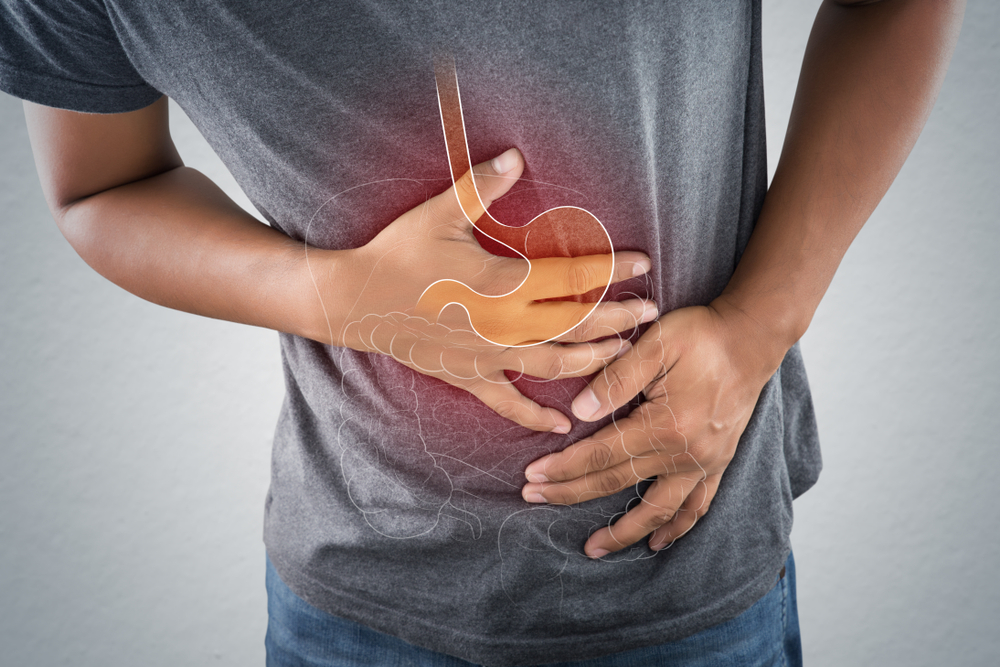
Deficiencies in key nutrients like iron, vitamin B12, and vitamin D are common consequences of digestive disorders. Iron deficiency can lead to fatigue and weakness. Vitamin B12 deficiency can cause nerve damage. Vitamin D deficiency can weaken your bones. It’s a domino effect of not-so-fun consequences.
Turning the Page: What Can You Do?
The good news is that you're not powerless in this digestive drama! If you suspect you might have a digestive disorder, chatting with your doctor is the first act. They can run tests to figure out what's going on and recommend the best treatment plan for you. Think of them as your body's detective, solving the mystery of your digestive woes.
Dietary changes can often play a starring role in managing digestive disorders. For example, people with celiac disease need to follow a strict gluten-free diet. People with IBS might benefit from avoiding certain trigger foods like dairy or caffeine. It’s like tailoring your meals to appease your sometimes-picky digestive system.
Certain medications can also help manage symptoms and reduce inflammation. Probiotics, the good bacteria that live in your gut, can sometimes help restore balance and improve digestion. Think of them as the reinforcements arriving to help your gut fight the bad guys.
Living with a digestive disorder can be challenging, but it's not a life sentence. With the right diagnosis, treatment, and lifestyle changes, you can manage your symptoms and improve your nutrient absorption. It’s all about finding what works best for you!
So, the next time you're enjoying a meal, take a moment to appreciate the amazing journey your food takes through your body. And remember, if things aren't running smoothly, don't hesitate to seek help. Your digestive health is a vital part of your overall well-being. Treat it like the VIP it truly is. It's time to write a new, healthier chapter in your digestive story! And remember, a happy gut means a happy you!
