Did West Virginia Ban Food Dyes
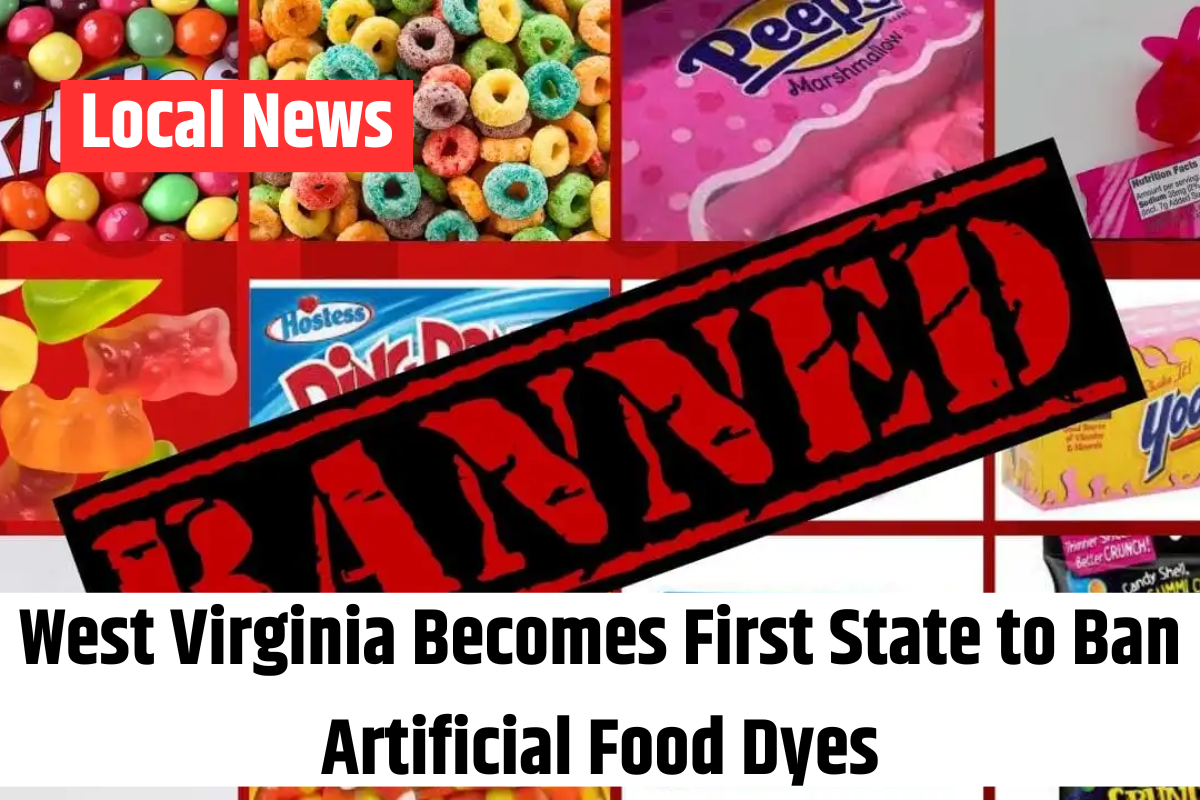
Have you ever stopped to wonder what makes your kid's cereal so vibrantly colored, or why that sports drink glows with an almost otherworldly hue? Chances are, the answer lies in food dyes. They're everywhere, adding visual appeal to everything from candy and baked goods to processed snacks. But lately, these colorful additives have been under scrutiny, leading to questions about their safety and potential impact on health. So, the big question is: Did West Virginia decide to ban them?
Let's dive into the fascinating world of food dyes and find out! Food dyes, or artificial food colorings, are synthetic chemical compounds that manufacturers add to food and beverages to enhance their appearance. Think about it – would that birthday cake be quite as exciting without a generous splash of rainbow sprinkles? The primary purpose of food dyes is to make food look more appealing and appetizing. They can also help to standardize the color of products, ensuring consistency from batch to batch. This can be particularly important for large food companies.
The supposed benefits, from a manufacturer's perspective, are clear: increased sales and consumer satisfaction. Colorful food is often perceived as more fun and desirable, especially by children. However, the debate surrounding food dyes centers on potential health concerns. Some studies have linked certain artificial food colorings to hyperactivity in children, allergic reactions, and even more serious health issues in some cases. This has led to growing calls for stricter regulations and, in some instances, outright bans.
Must Read
As for West Virginia, as of my last update, there hasn't been a statewide ban on food dyes. However, concerns about their impact, particularly on children, are definitely present within the state, mirroring national trends. There have been discussions and advocacy efforts aimed at raising awareness and encouraging healthier food choices in schools and communities. While a full ban isn't currently in place, it remains a topic of ongoing discussion and potential future legislation.

Food dyes pop up in everyday life in ways you might not even realize. In education, for example, some science experiments use colored candies to demonstrate concepts like solubility or chromatography. At home, parents might use food coloring to make themed snacks for parties or holidays. Understanding how these dyes work, and their potential effects, can empower us to make informed choices about what we eat and feed our families.
So, how can you explore this topic further? It's surprisingly easy! Start by reading the ingredient lists on the foods you buy. Look for common artificial food colorings like Red 40, Yellow 5, and Blue 1. Do some research on these specific dyes and their potential health effects. You could even try a fun experiment at home by comparing the color intensity of different foods and drinks. Pay attention to how you or your children feel after consuming products with artificial food dyes. Are there any noticeable changes in behavior or energy levels? This can help you determine your own sensitivity to these additives. Ultimately, becoming more informed about food dyes allows you to make conscious decisions about what you put on your plate. Knowledge is power! And staying curious is key to navigating the complex world of food and nutrition.