
Did They Have Electricity In The 1700s
Alright, settle in, grab a cup of your favorite beverage, because we're about to take a little trip back in time. Ever found yourself scrolling through your phone, maybe charging your laptop, and suddenly wondered: "Hey, did people in the 1700s have any of this? Did they even know what electricity was?"
It’s a fantastic question, isn't it? Our modern lives are so utterly bathed in the glow of electricity that it's almost impossible to imagine a world without it. No smart lights, no instant coffee makers, no internet cat videos. But here's the cool part: the 1700s were actually a surprisingly sparky time for electricity!
The "Spark" of Discovery: Static Electricity Was the OG
Before we go any further, let's clear something up. When we talk about electricity in the 1700s, we're definitely not talking about flipping a light switch or plugging in a toaster. Think more along the lines of what happens when you rub a balloon on your hair and stick it to the wall. Yep, we're talking about static electricity.
Must Read
People had known about this phenomenon for centuries, even way back to ancient Greece. They noticed that if you rubbed amber (a fossilized tree resin) with a piece of cloth, it could attract light objects like feathers. In fact, the Greek word for amber is "elektron" – see where this is going?
But in the 1700s, scientists (or natural philosophers, as they were called back then) started to get really curious. They weren't just playing parlor tricks; they were trying to understand the fundamental forces at play. Imagine that feeling of wonder, watching tiny objects dance simply because you rubbed two things together. It must have felt like pure magic!
Meet the Rockstars of 18th-Century Electricity
So, who were the big names sparking excitement in this era? One guy probably springs to mind immediately:
Benjamin Franklin: The Kite Guy
Of course! Ben Franklin, besides being a Founding Father and all-around genius, was famously fascinated by electricity. His super-famous (and super-dangerous!) kite experiment in 1752 proved that lightning was indeed a form of electricity. Think about that for a second: linking something as mundane as a static shock to the terrifying power of a thunderstorm. Mind-blowing stuff!
He didn't just fly kites, though. Franklin coined many of the electrical terms we still use today, like "battery," "conductor," "charge," and "electrician." He also invented the lightning rod, making buildings much safer from those powerful electrical discharges. Pretty practical for a guy who spent his afternoons chasing storms, right?
Luigi Galvani & Alessandro Volta: The Frog Leg Saga
Towards the end of the century, things got even more interesting. Enter Luigi Galvani, an Italian physician, who made a rather peculiar discovery in the 1780s. He noticed that dead frog legs would twitch when touched by two different metals connected together. Gross? Maybe a little. But also, incredibly cool!
Galvani thought it was some kind of "animal electricity" or "nerve fluid." But another brilliant Italian scientist, Alessandro Volta, had a different idea. He argued that the electricity wasn't coming from the frog itself, but from the contact between the two different metals. And to prove it, he built the very first battery in 1800 – the "voltaic pile."
Suddenly, electricity wasn't just a fleeting spark or static charge; it was a continuous flow! Imagine the excitement! This was a monumental leap, laying the groundwork for all the batteries and electronic devices we rely on today.
So, What Kind of "Electricity" Did They Have?
To recap: they had a good grasp of static electricity – the kind you get from friction, producing quick, powerful but short-lived sparks. And by the very end of the century, with Volta's work, they had the beginnings of current electricity – a continuous flow, but still very weak and clunky compared to our wall sockets.
Think of it like this: Static electricity was like a single, huge sneeze – powerful but over in an instant. Volta's early current electricity was like a slow, steady drip from a faucet. Modern electricity is like a roaring river powering a whole city!
How Was It Used? (Spoiler: No Netflix)
Since they didn't have current electricity in a usable, powerful form for homes, how did they use it? Mostly for experimentation, demonstrations, and entertainment!

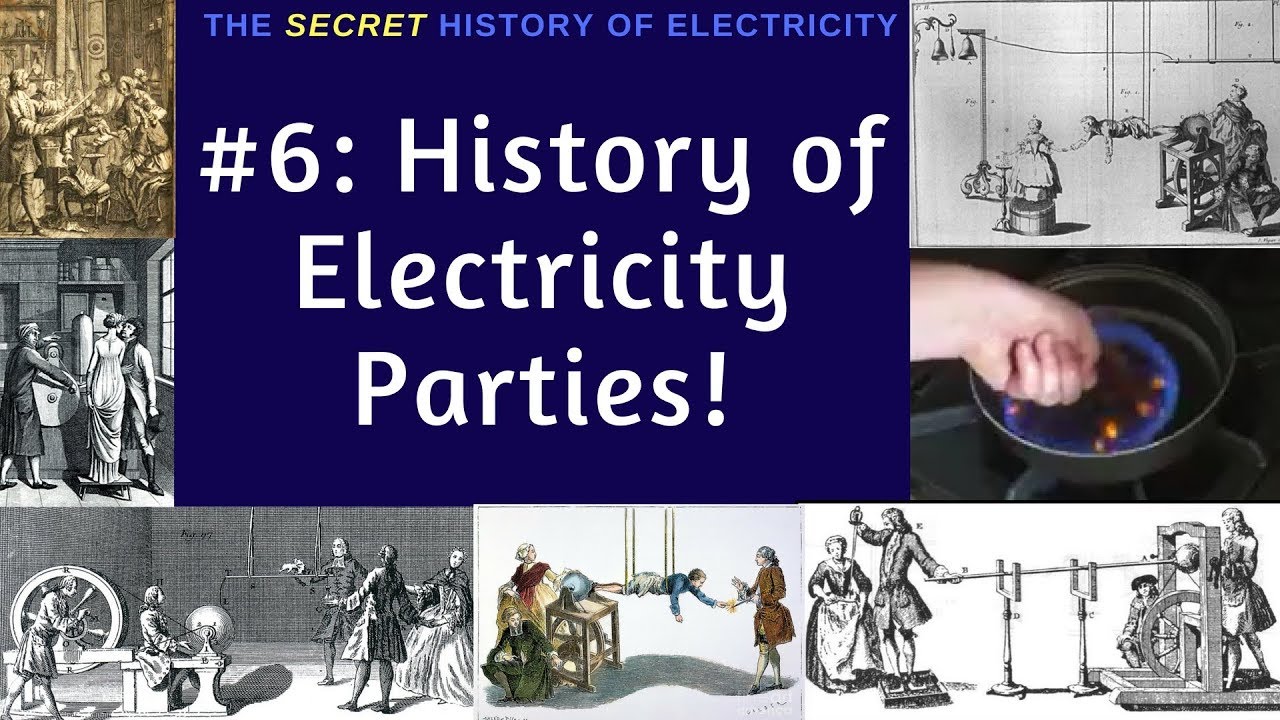
- Parlor Tricks: Imagine going to a party and seeing someone make hair stand on end or produce a visible spark from their fingertip. It was a showstopper!
- Early "Medical" Applications: Some doctors experimented with shocking patients for various ailments, with very mixed (and often questionable) results. Probably best not to try that at home.
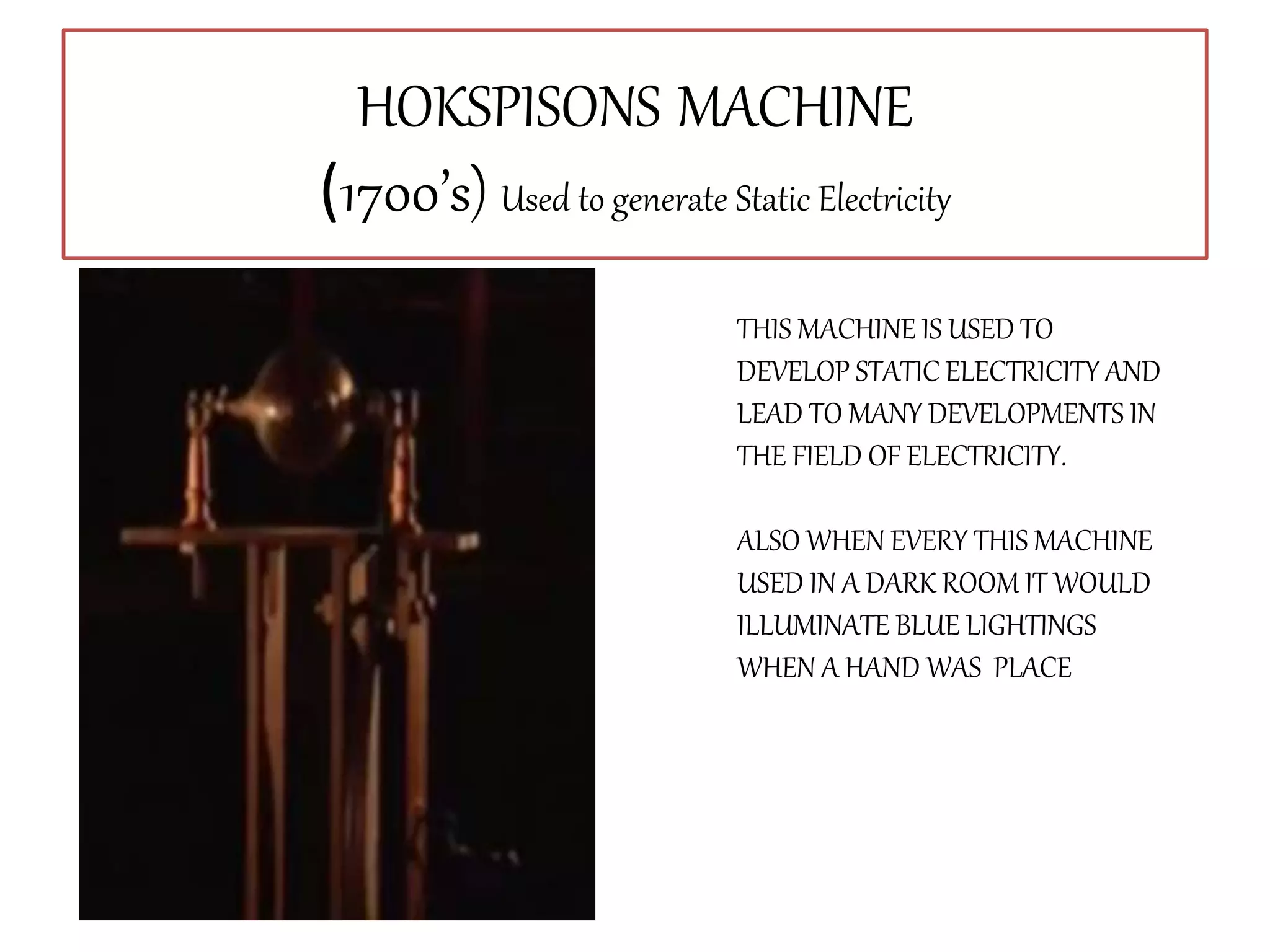
- Pure Science: The biggest use was simply understanding how it worked. Scientists were constantly building better machines to generate and store static electricity (like the Leyden jar, a very early capacitor), pushing the boundaries of knowledge.
Why It's So Cool To Look Back
What's truly fascinating is that these pioneers were working with an invisible force, often with very primitive equipment, and sometimes even putting themselves in danger (Franklin's kite experiment was no joke!). They weren't building iPhones or designing power grids; they were simply trying to understand a fundamental mystery of the universe.
Their discoveries, born from pure curiosity and relentless experimentation, laid the absolute foundation for everything electrical that came after. Every time you charge your phone, turn on a light, or send an email, you're benefiting from the sparks of genius that ignited in the 1700s.
So, did they have electricity in the 1700s? Absolutely! It just looked, felt, and worked very differently than the magic we experience today. It was a thrilling era of discovery, proving that even in a world without Wi-Fi, the human mind was sparking with incredible innovation.