Derivative Of Acceleration With Respect To Time
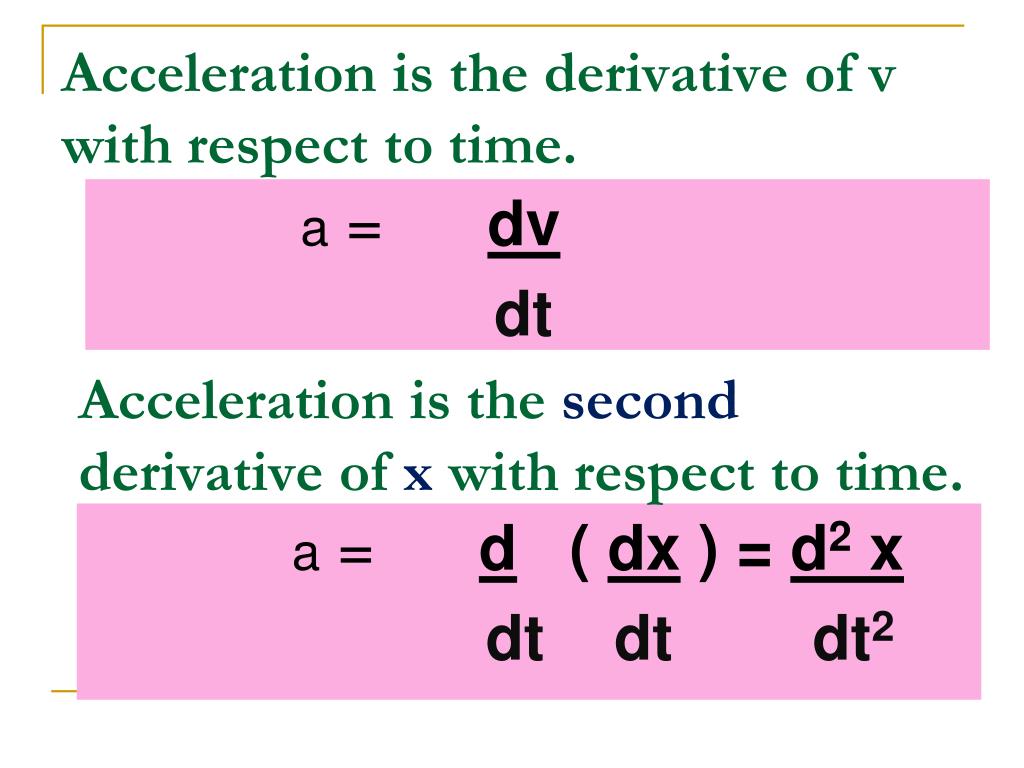
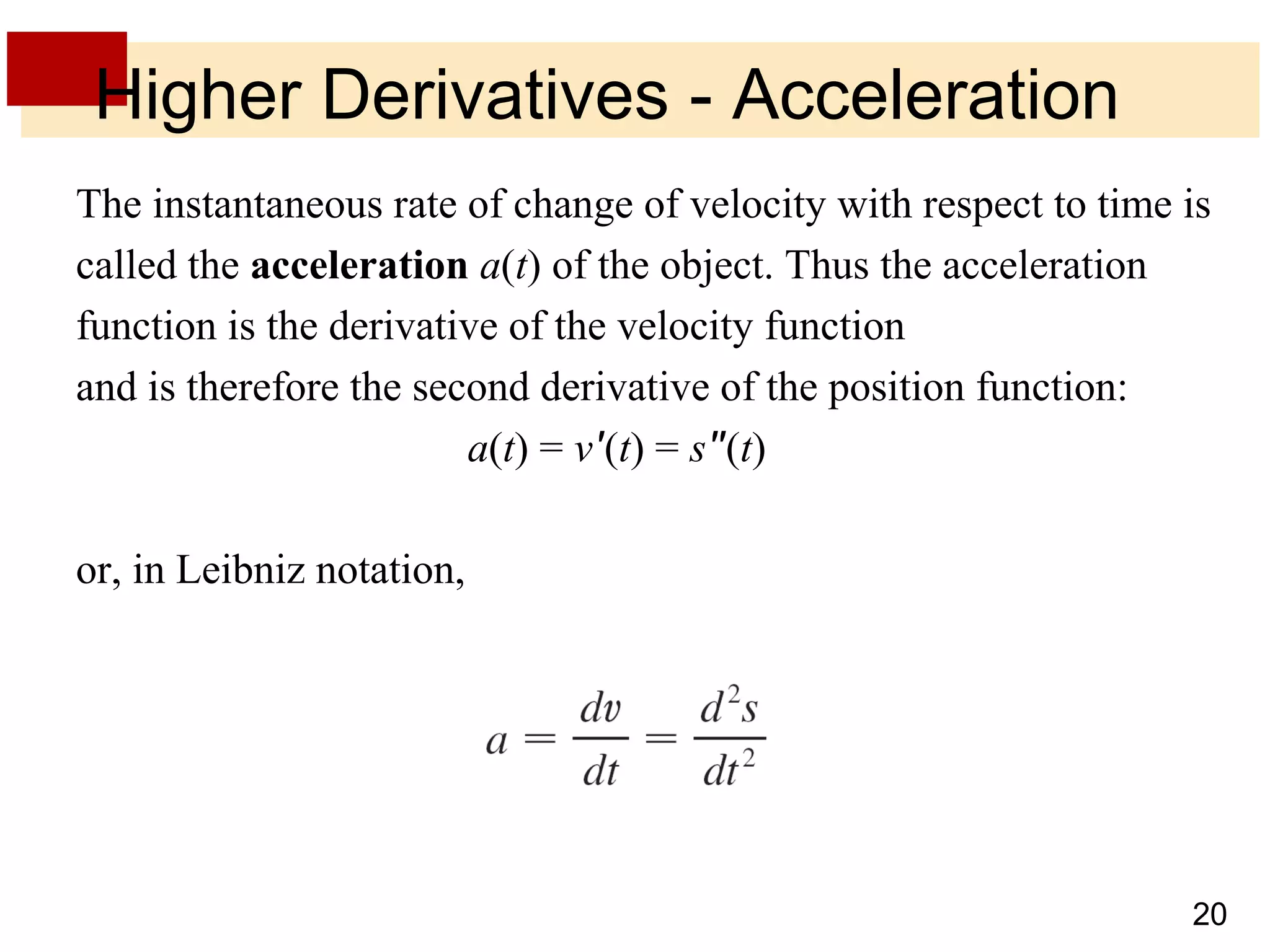
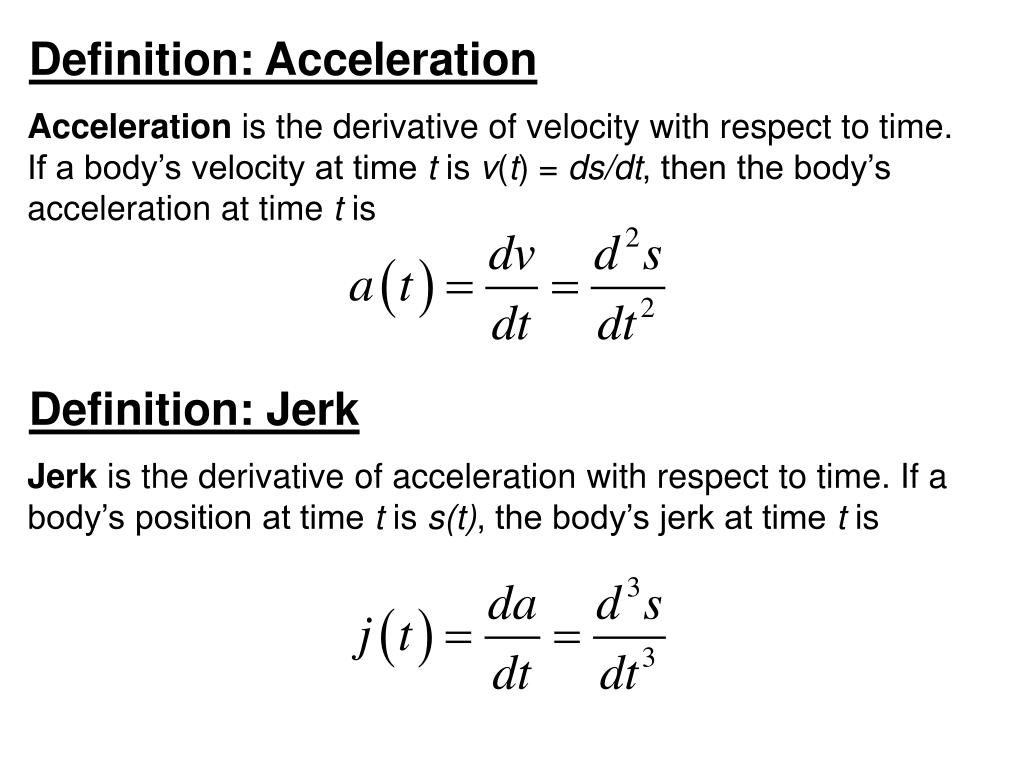
Ever wondered what happens after you press the gas pedal in your car? We know acceleration makes you go faster, but what makes the acceleration itself change? That's where the derivative of acceleration with respect to time comes in! It sounds intimidating, but it's actually a fun concept that describes how quickly your acceleration is changing. Think of it as the "acceleration of acceleration," and it's sometimes called jerk, jolt, or surge. It's all about smooth rides, predictable movements, and even safer engineering!
So, why should you care? Well, for beginners just dipping their toes into physics, understanding jerk helps solidify the concept of rates of change. It shows how things can change not just once (velocity changing to acceleration), but multiple times (acceleration changing to jerk!). It adds another layer to understanding motion.
For families or hobbyists, thinking about jerk can make everyday experiences more interesting. Imagine you're building a model rocket. You want a smooth, controlled launch. If the acceleration changes too suddenly (high jerk!), your rocket could wobble or even break apart. Thinking about jerk helps you design a more stable and enjoyable flight. Consider a swing set, too! A gentle push results in gradual acceleration. A jerky shove translates to discomfort.
Must Read
Even more broadly, engineers use jerk (and even higher order derivatives!) all the time. Designing elevators, roller coasters, or even robots requires careful consideration of how rapidly acceleration changes. A sudden jerk in an elevator can be unpleasant or even dangerous. In robotics, smooth movements are essential for precision and efficiency. Minimizing jerk ensures that the robot's movements are fluid and don't damage delicate objects. For example, in self-driving cars, minimizing jerk ensures passengers have a comfortable ride. An abrupt change in acceleration could cause passengers to feel nauseous or lose their balance.
Examples of jerk are all around us! A car speeding up smoothly has low jerk, while a car slamming on the brakes has high jerk. An athlete sprinting might experience high jerk at the start, as their acceleration rapidly increases. A smoothly operating machine, like a high-speed printer, is carefully designed to minimize jerk in its moving parts.

Getting started with understanding jerk doesn't require complex math. Here are a few practical tips:
- Visualize it: Imagine different scenarios, like a car ride or a rollercoaster. Try to feel the changes in acceleration and relate them to the concept of jerk.
- Think about smoothness: Consider activities like drawing or writing. A smooth, continuous line represents low jerk, while a jagged line represents high jerk.
- Observe real-world objects: Pay attention to the way things move around you. Notice how the acceleration changes in different situations, and try to estimate the jerk.
Ultimately, understanding the derivative of acceleration with respect to time, or jerk, gives you a deeper appreciation for the complexities of motion. It might seem like an abstract concept, but it's surprisingly relevant to our everyday lives. So next time you're on a roller coaster or driving in a car, think about the jerk, and you'll have a whole new perspective on the ride! It's a fascinating glimpse into how things really move.