
Denied For Care Credit Now What
Okay, picture this: you're at the vet, Fluffy just ate an entire chocolate cake (again! Seriously, Fluffy needs a cake intervention), and the bill is... substantial. You confidently whip out your CareCredit card, ready to adult your way through this crisis. And then... denied. The horror! I swear, my credit score momentarily flashed before my eyes.
We've all been there, right? That moment of financial face-plant in public. But don't panic! A CareCredit denial isn't the end of the world, though it certainly feels like it in that vet's waiting room. The real question is: what do you do next? That's what we're diving into today.
Why Did You Get Denied? The Mystery Unveiled
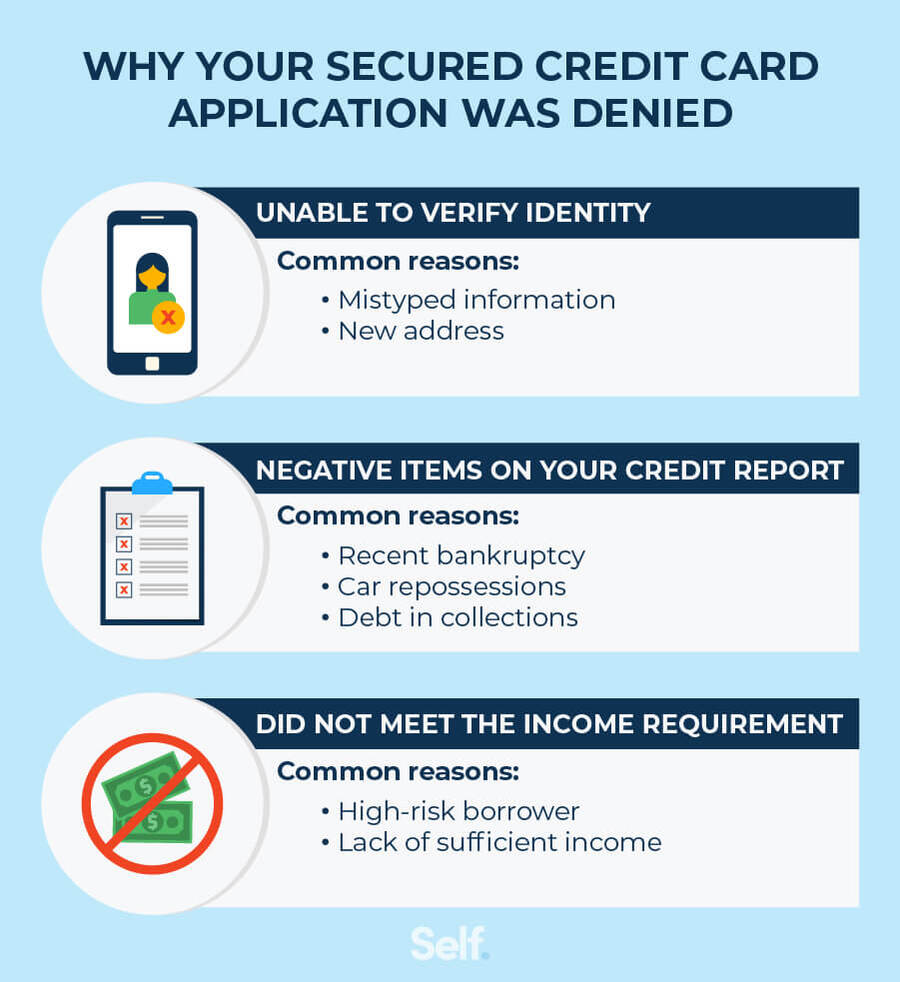
First things first, let's play detective. Understanding why you were denied is crucial. CareCredit, like any credit card, has eligibility requirements. Here are some common culprits:
Must Read
- Low Credit Score: This is the big one. CareCredit generally requires a fair to good credit score. If yours is on the lower side, this could be the reason. (Don't know your score? Now's a good time to check! There are plenty of free services online.)
- High Debt-to-Income Ratio: Are you already juggling a lot of debt? Lenders want to see that you can manage your existing obligations before taking on more.
- Limited Credit History: If you're new to the world of credit, it can be tough to get approved. Lenders like to see a track record of responsible borrowing. Think of it as needing a resume for your finances!
- Errors on Your Credit Report: This happens more often than you think! Inaccurate information can drag down your score. (Always, always check your credit report regularly!)
- Late Payments or Defaults: Past mistakes can haunt you. Late payments, collections, or bankruptcies can all raise red flags.
CareCredit is legally obligated to tell you why you were denied. Check the denial letter or email for the specific reason. It will usually give you a summary of the factors that contributed to the denial.
So, You're Denied. Now What?
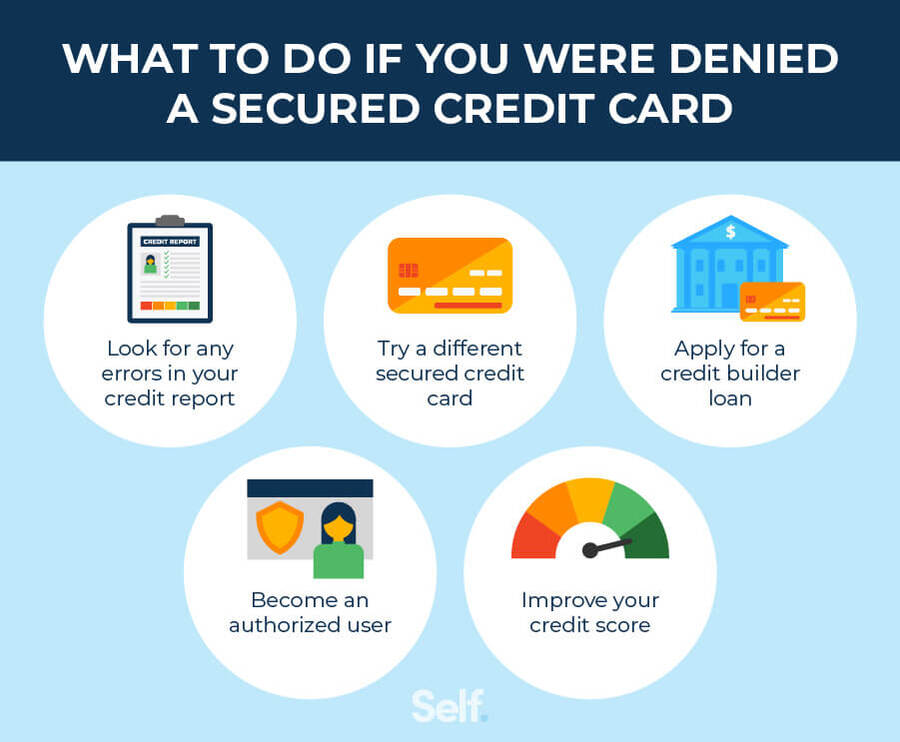
Okay, so you know why you were denied. Now for the action plan! Here's a breakdown of your options:
1. Reconsideration: Ask Nicely (Seriously!)
Sometimes, a denial isn't set in stone. If you believe there's been a mistake, or if your financial situation has improved since you applied, contact CareCredit and ask for reconsideration. Be polite, explain your situation clearly, and provide any supporting documentation that might help your case.
2. Credit Report Rehab: Time to Clean House
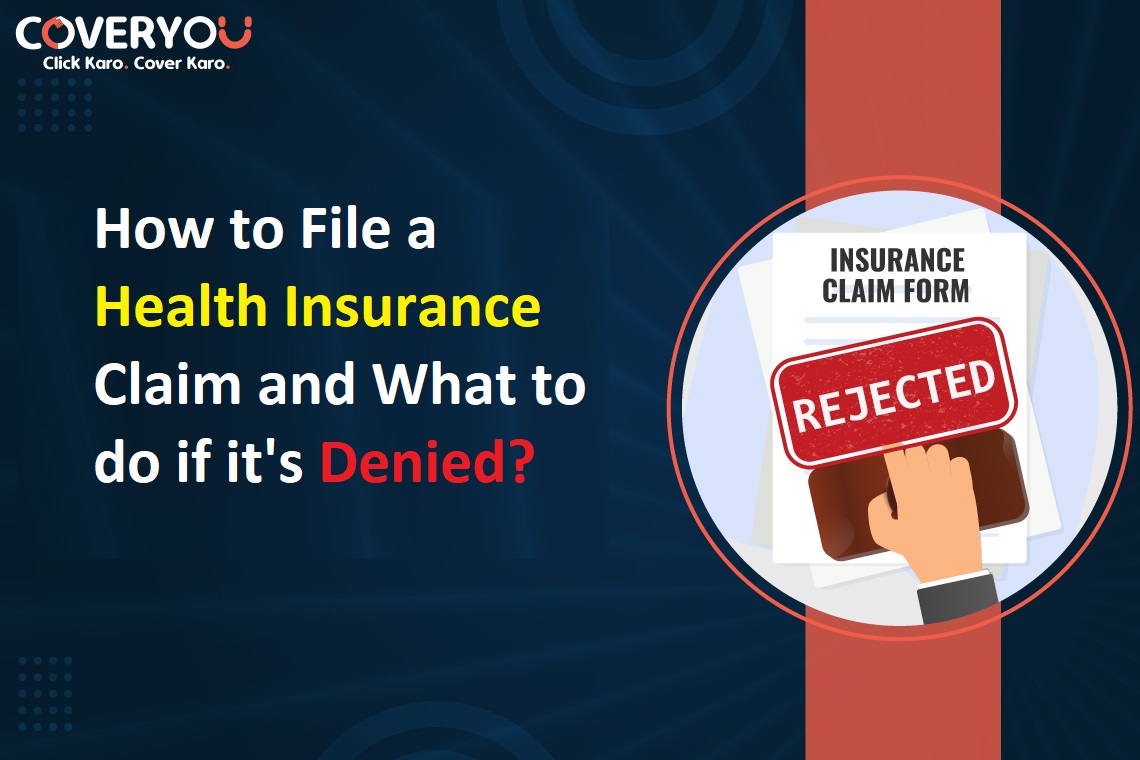
If errors on your credit report are the issue, dispute them! Contact the credit bureaus (Equifax, Experian, and TransUnion) and provide documentation to prove the inaccuracies. This can take some time, but it's worth it!
3. Boost Your Credit Score: The Long Game
This is a longer-term solution, but essential for financial health. Here are a few things you can do:
- Pay Bills on Time, Every Time: This is the single most important thing you can do. Set up automatic payments if necessary.
- Reduce Your Credit Utilization Ratio: Keep your credit card balances low compared to your credit limits. Aim for under 30%. (Think of it like this: don't max out your cake budget, Fluffy!)
- Become an Authorized User: Ask a trusted friend or family member with good credit to add you as an authorized user on their credit card.
4. Explore Alternative Financing Options:
While you're working on your credit, you might need other solutions in the meantime. Consider these options:

- Personal Loans: Explore personal loans from banks or credit unions.
- Payment Plans: Many healthcare providers offer payment plans. Don't be afraid to ask!
- Savings: If possible, tap into your savings to cover the cost. (Easier said than done, I know!).
- Other Credit Cards: Look for credit cards designed for people with fair or limited credit. Be aware that these may have higher interest rates and fees.
5. Don't Reapply Immediately:
Repeated applications in a short period can further damage your credit score. Take some time to address the reasons for the denial before trying again.
The Takeaway
A CareCredit denial is a setback, not a dead end. Use it as an opportunity to understand your credit health and take steps to improve it. Remember, building good credit takes time and effort, but it's an investment that will pay off in the long run. And hey, maybe keep that chocolate cake locked away from Fluffy next time, just in case!