Dangers Of Driving With Bad Alignment
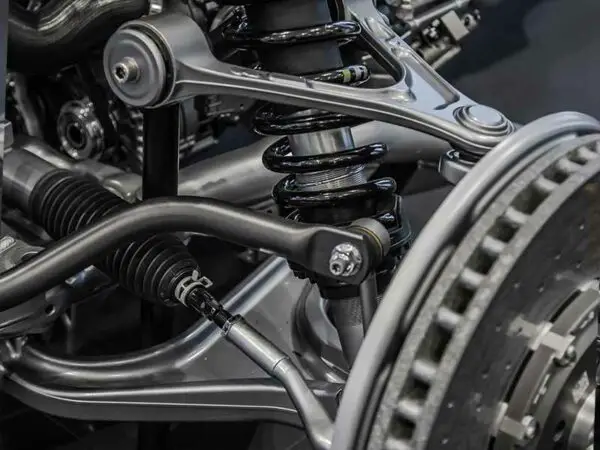
Ever noticed your car pulling slightly to one side, or your steering wheel vibrating like it's trying to escape? Maybe you've dismissed it as just the road, but there's a good chance your car's alignment is off. It's one of those things that's easy to ignore, but understanding the dangers of driving with bad alignment is surprisingly important, not just for your car, but for your safety and your wallet!
So, what's the big deal? Well, think of your car's wheels as a team. They need to be pointing in the same direction, at the correct angles, to work together efficiently. Proper alignment ensures that all your wheels are parallel to each other and perpendicular to the road surface. When things are out of whack, it's like trying to run a race with one leg shorter than the other – inefficient, unstable, and potentially dangerous.
The purpose of wheel alignment is pretty straightforward: to optimize your car's handling, tire life, and fuel efficiency. The benefits are numerous. A car with proper alignment will handle predictably, making it safer to drive, especially in challenging conditions like rain or snow. You'll also notice a significant improvement in tire wear. When your wheels are misaligned, they drag against the road, causing uneven and premature wear. This means you'll be replacing tires much sooner than you should, costing you money. Finally, poor alignment can negatively impact your fuel economy. Your engine has to work harder to overcome the resistance caused by the misaligned wheels, leading to increased fuel consumption.
Must Read
You might not realize it, but understanding alignment principles can even be helpful in everyday life. Imagine teaching a child to ride a bike. You explain the importance of keeping the handlebars straight to maintain balance. That's essentially alignment in action! Similarly, in education, physics classes often use examples of forces and angles. Wheel alignment provides a real-world application of these concepts, showing how precisely calibrated angles affect movement and stability.
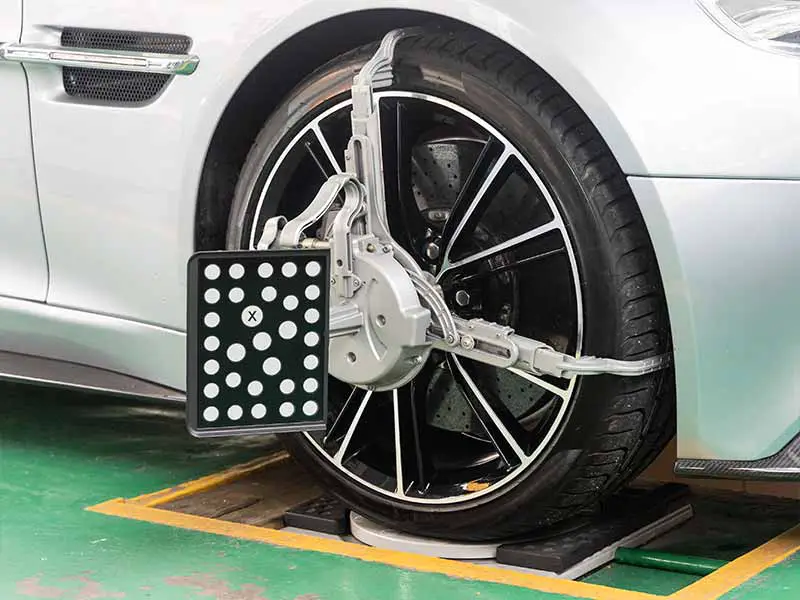
What can you do? Pay attention to your car! Does it pull to one side? Is your steering wheel off-center when driving straight? Are your tires wearing unevenly? These are all signs of potential alignment issues. A simple DIY check you can do is to visually inspect your tires for uneven wear – look for wear on the inside or outside edges. However, for a proper diagnosis, it's best to visit a qualified mechanic. They have specialized equipment to accurately measure and adjust your car's alignment.
Exploring alignment further is easier than you might think. There are plenty of online resources, videos, and articles that explain the principles of wheel alignment in detail. You can even find interactive simulations that allow you to adjust alignment angles and see the impact on handling and tire wear. Don't be intimidated! Understanding the basics can empower you to be a more informed car owner and potentially save you money in the long run. So, next time you're driving, pay attention to how your car feels. It might just be telling you it needs a little alignment love!