
Cutting Rods For Stick Welder

Hey there, ever found yourself staring at a full-length welding rod, thinking, "Man, if only this thing were a little shorter?" Yeah, me too. It’s like trying to wrangle an octopus in a phone booth sometimes, isn’t it? Especially when you're trying to get into some really tight spots with your stick welder. Or maybe you've just got this tiny little tack weld to do and feel like you're wasting a whole rod on it? Been there, done that, bought the T-shirt.
So, what's a welder to do? Simple, my friend: you cut 'em! No, I’m not talking about some fancy, precision-engineered chop shop for electrodes. We’re talking about a quick, dirty, and utterly practical way to make your life a whole lot easier in the workshop.
Why Even Bother, Right?
Good question! It’s not just about getting into those nooks and crannies, though that’s a big one. Think about it: you've got this tiny bracket to weld onto a piece of pipe, and you're trying to maneuver a 14-inch rod in there. It’s awkward, you're constantly bumping things, and your arc length is all over the place. Frustrating, right?
Must Read
Cutting your rods gives you better control. A shorter rod means less leverage working against you, less wobble, and a steadier hand. Plus, it can save you a bit of dough! If you only need a couple of inches for a quick repair, why burn off a whole rod just to toss the stub? Snip it, use what you need, and save the rest for another tiny job. Smart, huh? It’s all about efficiency, folks.
The "How-To": It Ain't Rocket Science
Alright, so how do we do this without totally ruining our precious rods? It’s surprisingly simple. The main thing you need to worry about is the flux coating. That's the stuff that makes your weld look pretty and strong, protecting it from all the bad atmospheric baddies. You want to make sure you're not damaging too much of that goodness.
Method One: The Pliers Power Play
This is probably the most common, and frankly, the quickest method. Grab a sturdy pair of diagonal cutters or even some linemans pliers. You want something with a good biting edge. Find the spot where you want to cut, usually a few inches up from the tip, and just… snip it.
The trick here is to cut through the electrode core first, then the flux. Sometimes the flux will chip a bit, and that’s okay for minor chips, but try to keep it minimal. You don't want a huge chunk missing. If it does chip a lot, maybe try a different spot or a sharper tool. Easy peasy, lemon squeezy.
Method Two: The Grinder (For the More Aggressive)
Got a grinder handy? You can carefully grind off the excess. This is a bit more precise, but also a bit more… sparky. Hold the rod firmly and lightly touch it to a grinding wheel, rotating it to cut through the core and flux. Be gentle! You don't want to overheat the rod or melt too much flux. This method tends to give a cleaner cut, but it’s definitely overkill for most quick snips. Think of it as the "luxury" option for rod cutting.

A Few Golden Rules (Because We Like Our Welds Pretty)
* Don't get greedy: Leave enough flux on the working end. You need at least an inch or two of uncompromised flux to get a good arc going. Trying to weld with a rod that has bare metal too close to the tip is just asking for trouble – terrible arc starts, porosity, you name it. * Mind the core: You're cutting the metal core, not just chipping off the flux. Make sure your tool is up to the task. * Practice makes perfect: Seriously, snip a few old, nearly used-up rods first. Get a feel for how your pliers or grinder interact with the rod. It's not like you're performing brain surgery, but a little finesse goes a long way. * Safety first, always: Even though it’s just cutting a rod, always wear your safety glasses. Little bits of flux or metal can fly off, and nobody wants a rogue shard in the eye, right?
When NOT to Chop It Up
Alright, so while cutting rods is awesome, it’s not for every situation. If you're doing critical, code-compliant structural welds, you probably want to stick to full-length, factory-spec rods. Any modification can introduce variables that aren't ideal for those situations. This is more for the everyday repairs, the hobby projects, the "just gotta get this thing fixed" moments.
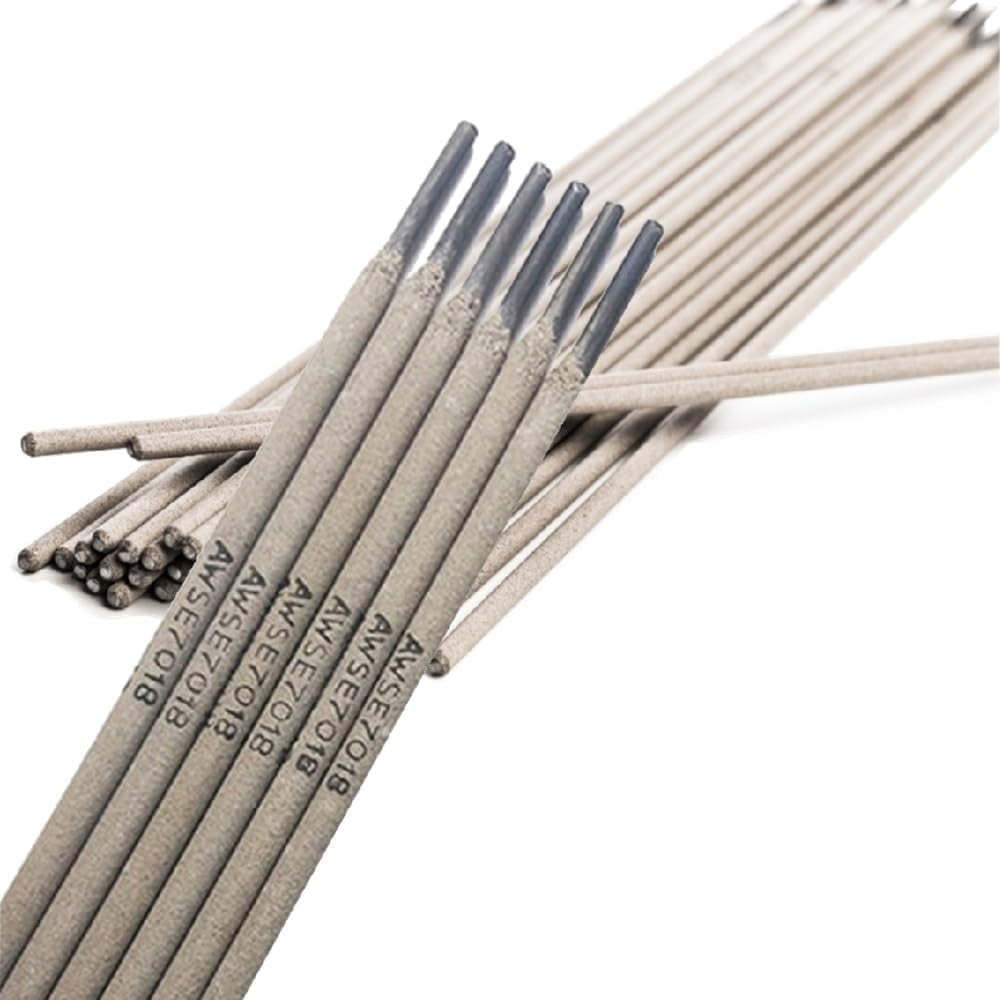
Also, don’t cut too many at once unless you know you're going to use them soon. The flux can absorb moisture from the air, and a freshly exposed, cut end might be a little more susceptible to that. Keep them in their proper storage, just like your full-length rods. We want to be efficient, not wasteful!
So, Go Forth and Snip!
There you have it. Cutting welding rods isn’t some dark art; it’s a handy trick that can make your stick welding life a whole lot smoother. It gives you more control, potentially saves you a buck or two, and lets you tackle those awkward spots with a lot less fuss.
So next time you're wrestling with a full-length rod in a tight spot, don't just sigh and struggle. Grab those pliers, make a quick snip, and enjoy the newfound freedom. Your welds (and your patience) will thank you for it! Happy welding, my friend!
