
Cuanto Tiene Una Tonelada En Libras
Ever find yourself wondering about the sheer weight of things? Like, really wondering? We often hear about measurements like pounds and tons, but what's the actual connection between them? Let's dive into the world of weight and explore how many pounds are crammed into one single ton. Because, honestly, isn't it just a little bit fascinating?
So, How Many Pounds Are We Talking?
Alright, let's cut to the chase. The big question: How many pounds are in a ton? The answer is a cool 2,000 pounds. That's right, two thousand! Sounds like a lot, doesn’t it? But what does that actually mean in a practical sense?
Think about it this way. Have you ever seen a pickup truck? A standard pickup truck can usually haul around a ton of stuff. Now, imagine trying to lift 2,000 individual one-pound weights. Suddenly, that “ton” feels a whole lot heavier, doesn't it?
Must Read
Why Does This Matter? (Besides Pure Curiosity, Of Course!)
Okay, so knowing that a ton is 2,000 pounds might seem like just a fun fact. But honestly, it can be surprisingly useful! Think about situations where you're dealing with shipping, construction, or even just figuring out if your car can tow that boat you've been eyeing. Understanding weight limits in tons and pounds is crucial for safety and efficiency.
Imagine you're buying a load of gravel for your driveway. The supplier quotes you a price per ton. Knowing that a ton is 2,000 pounds helps you understand how much gravel you're actually getting and whether it's a good deal. Pretty handy, right?
Tons of Fun Comparisons!
Let's make this a bit more relatable with some fun comparisons. We all know that numbers alone can be a little… abstract.
How many humans? Let's say the average human weighs around 150 pounds. That means it would take roughly 13 to 14 people to make up a ton! Picture standing with a dozen of your friends – together, you're approximately one ton of awesome!

How about cars? A typical small car weighs around 2,500 to 3,000 pounds. So, we can say that a ton is roughly less than one of those cars. In fact, it's about two-thirds of a small car. Whoa!
Elephants? A grown-up African Elephant weights anywhere from 6,000 to 14,000 pounds. So a ton is still pretty impressive, but it's only a fraction of the size of such a magnificent animal!
Metric Tons vs. Imperial Tons: A Little Twist
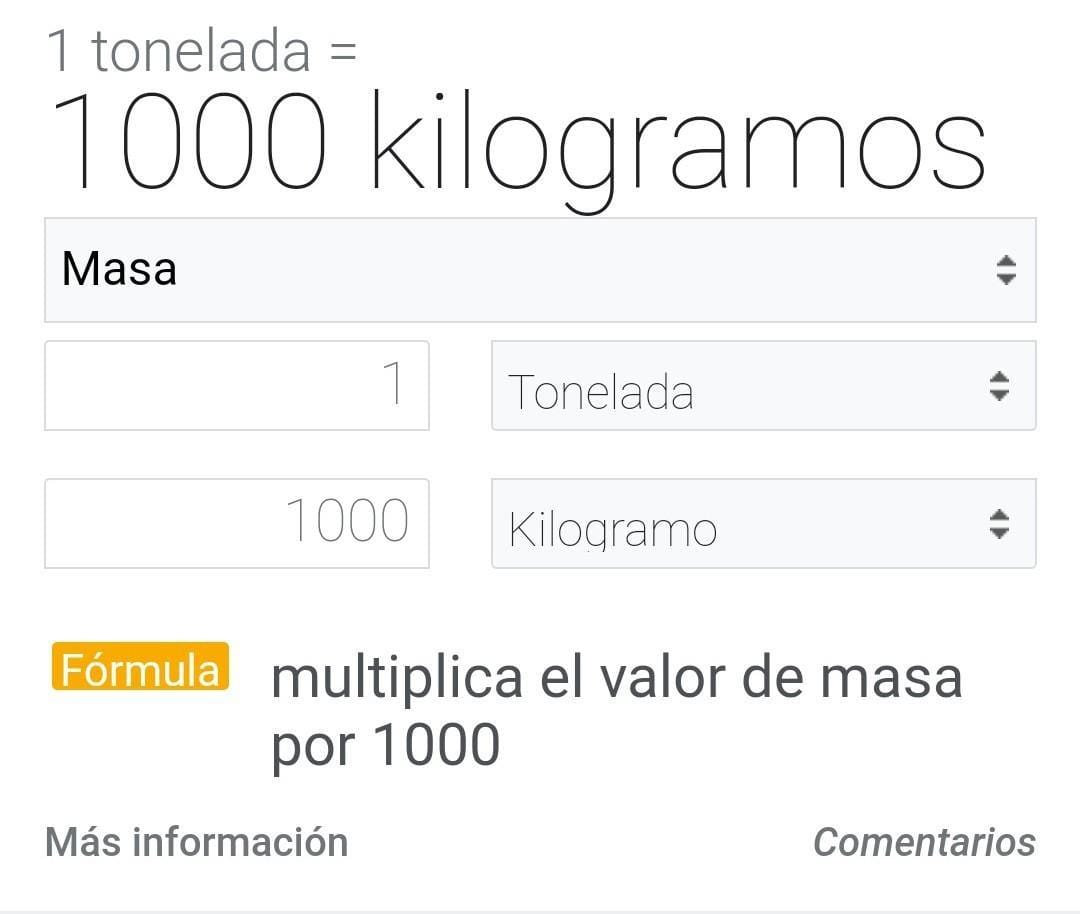
Now, just to make things a little more interesting (and potentially confusing!), there are different types of tons! We've been talking about the imperial ton, also known as the short ton, which is the 2,000-pound version. But there's also the metric ton, also called a tonne, which is equal to 1,000 kilograms. That's roughly 2,204.6 pounds. It's slightly heavier than the imperial ton.
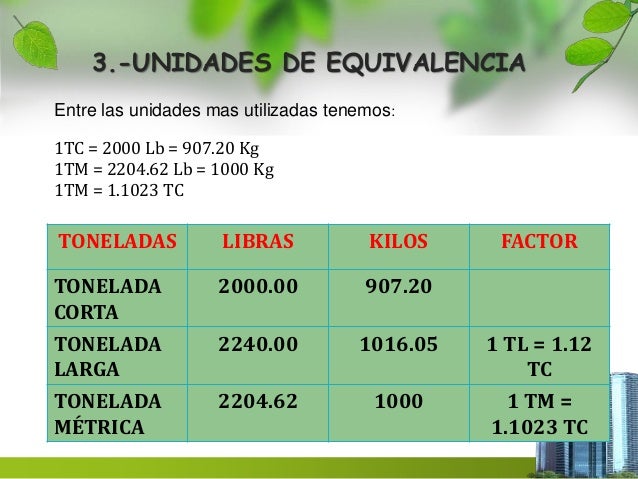
Why the difference? Well, different measurement systems, of course! The metric system is more common in many parts of the world, while the imperial system is still used in the United States and a few other countries.
Why Should I Care About Metric vs Imperial?
If you work in international trade or scientific fields, understanding the difference between metric and imperial tons is crucial to avoid errors in calculations and shipping. You wouldn't want to accidentally order half a ton less of supplies you expected!

The Takeaway: Weighty Matters, Made Simple!
So, to recap, one ton is equal to 2,000 pounds in the imperial system. It's a measurement used for large quantities of weight, and understanding its value can be useful in various real-world situations.
We hope this little exploration of tons and pounds has been enlightening. Who knew there was so much to think about when it comes to weight? Now, go forth and impress your friends with your newfound knowledge of tons! And remember, it's okay to be curious and ask questions – that's how we learn and make sense of the world around us. Happy calculating!
Remember, next time you see something described as weighing a ton, you'll have a better grasp of what that actually means. You are now a certified ton-knowledgable individual! Congratulations!