Cuã¡ntas Pulgadas Tiene Un Metro
Have you ever found yourself staring blankly at a set of DIY instructions, completely lost in a sea of centimeters and inches? Or maybe you're trying to order furniture online, but the dimensions are listed in meters and you only understand feet? Don't worry, you're not alone! Understanding the relationship between different units of measurement, like meters and inches, is surprisingly useful and empowering. It allows us to navigate the world with more confidence and clarity.
So, why bother with the metric system at all? Well, while some countries (like the US) primarily use the imperial system, the metric system is the global standard. Knowing how to convert between the two unlocks a whole new world of possibilities. Think about it: reading international recipes, understanding scientific papers, and even buying that amazing Scandinavian desk you've been eyeing online all become easier. Understanding the conversion factor between meters and inches is a key skill in our increasingly interconnected world.
The purpose it serves in everyday life is multifaceted. Consider home improvement projects. Need to measure a room for new flooring, but the flooring is advertised in square meters? Knowing how to convert to inches (and then to feet) will prevent costly mistakes. Similarly, understanding these conversions is crucial in fashion, especially when buying clothes online from international brands. A size "M" in one country might not be the same as a size "M" in another! Having a grasp of metric-to-imperial conversions ensures you get the right fit and avoid the hassle of returns. Even in cooking, certain recipes might use metric measurements, especially when exploring international cuisine. Being able to quickly convert from milliliters to ounces or grams to pounds can make your cooking experience much smoother and more accurate.
Must Read
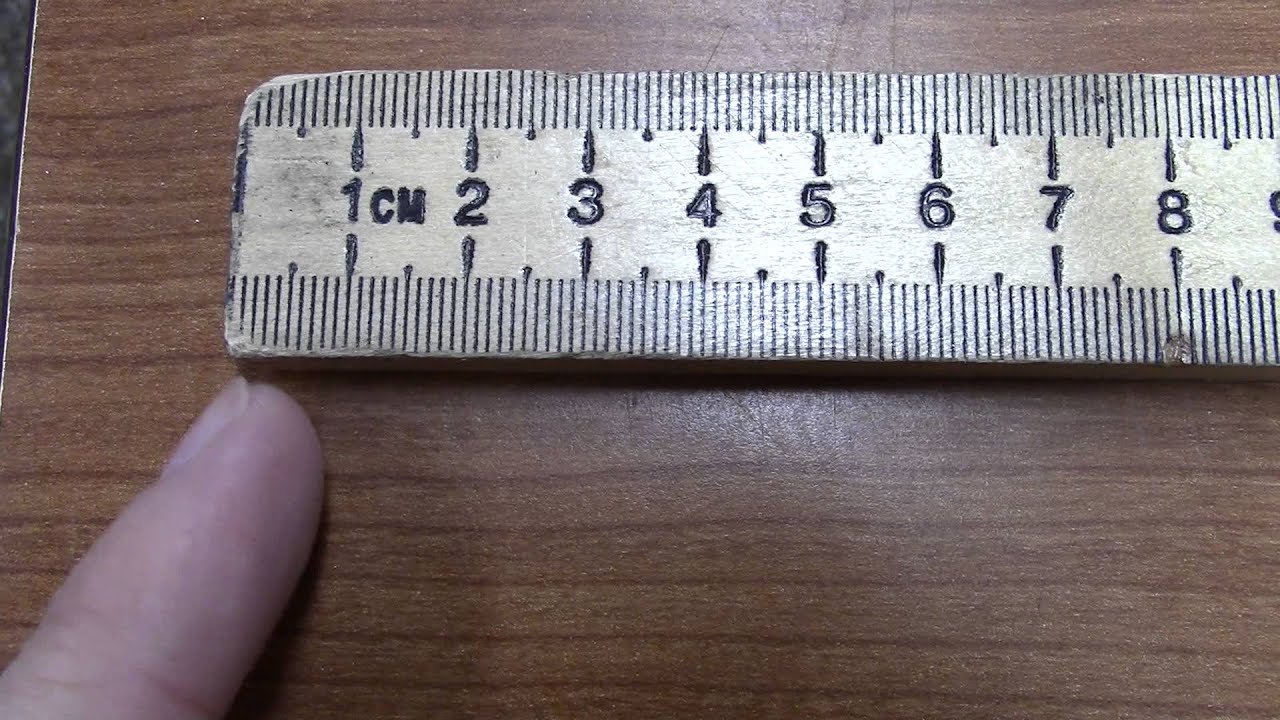
Now, let's get to the core question: How many inches are in a meter? The answer is approximately 39.37 inches. It’s a number worth remembering or at least noting down for future reference. But simply knowing the conversion factor isn’t enough; you need to know how to apply it effectively. To convert meters to inches, simply multiply the number of meters by 39.37. For example, if you have 2 meters, multiply 2 by 39.37 to get 78.74 inches. Conversely, to convert inches to meters, divide the number of inches by 39.37.
Here are some practical tips to enjoy (or at least tolerate!) metric conversions more effectively: Use a conversion calculator. There are countless free apps and websites that can do the math for you. This is especially helpful for complex conversions. Memorize a few key conversions. Knowing that 1 meter is roughly 39 inches and 1 inch is roughly 2.5 centimeters can be surprisingly helpful in everyday situations. Practice regularly. The more you use these conversions, the more comfortable you'll become with them. Try converting measurements in recipes, DIY projects, or even while watching international sports. Finally, don't be afraid to round numbers. In most practical situations, precision to the hundredth of an inch is unnecessary. Rounding to the nearest inch or half-inch is often sufficient and makes the math much easier. With a little practice and the right tools, you can conquer the world of metric conversions and unlock a world of possibilities!