
Crime Rate Map By Address
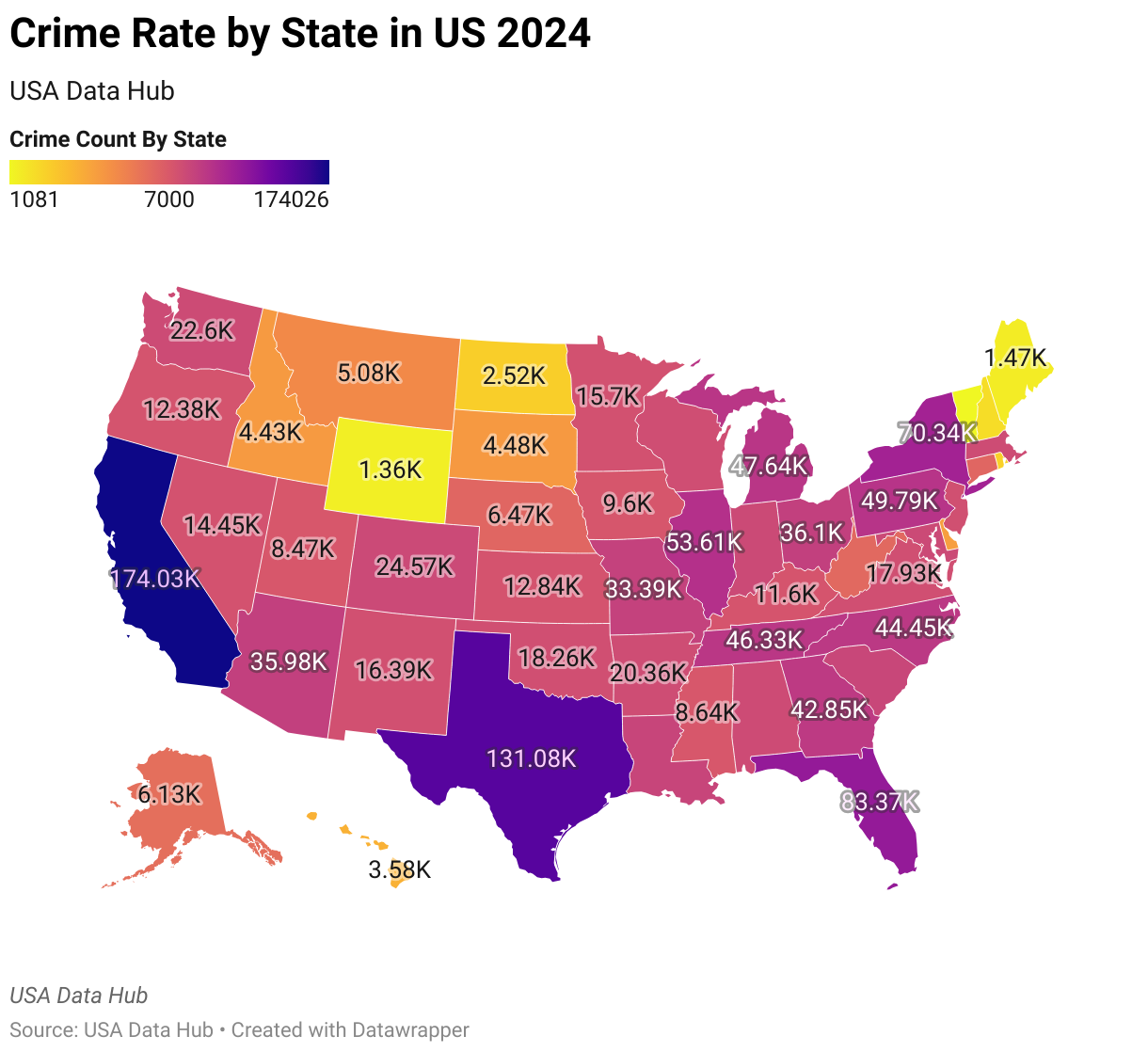
Imagine a world where you could pull up a map, zoom right into your street, and see every single bit of reported "crime" right down to the exact address. Every little red dot, a tiny story. Sounds incredibly useful, doesn't it?
You’d know precisely what happened, where it happened, and maybe even when. No more guessing games about the general safety of a place. Just cold, hard, hyper-local data.
This idea of a Crime Rate Map By Address is pretty compelling. It promises ultimate awareness, perfect peace of mind. Or does it?
Must Read
The Allure of the Micro-Map
Let's be honest, the thought is tempting. You're house hunting, for instance. You find the perfect dream home, paint samples already picked out in your mind.
Then, bam! You pull up your magical map. You want to confirm your gut feeling. A quick check, just to be sure.
Perhaps you are planning a late-night stroll with your dog. You’d check the map first. Is the park really safe after dark tonight?
Or maybe you're just incredibly curious. You wonder about that slightly rundown house down the street. The map could tell all, right?
When the Dots Get a Little Too Close
Now, let's play this out a bit. You've got your ultra-detailed map open. You're zooming in, pixels sharpening.
There's your house, bright and clear. You feel a little thrill. Everything looks good so far.
Then, you pan slightly to the left. Just two houses down, on the map, there it is: a small, ominous red dot. Your heart does a little flutter.
Panic sets in, just for a moment. What could it be? What happened so close to home? Did you miss something?
"A red dot near your house might just be a misplaced garden gnome, not a grand heist."
You click on the dot, your finger trembling slightly. The description pops up. "Reported theft: One garden gnome, pink flamingo variety, from front yard."
Suddenly, the ominous red dot looks a little less scary. Perhaps even a bit… whimsical. Was it a prank? A neighbor borrowing it without asking?
Or maybe it simply flew away. Who are we to judge the migratory patterns of garden ornaments?

The Peril of Pinpoint Precision
This super-specific data can be a double-edged sword. While it promises clarity, it might also spark unnecessary anxiety. Every little incident, no matter how minor, gets amplified.
Imagine trying to buy a house in a vibrant, bustling city. The map would be a Jackson Pollock painting of red dots. Every block would have a story.
A car dinged, a package stolen from a porch, a bicycle lock cut. These are frustrating, yes. But do they define the entire neighborhood?
Would you really pass on a fantastic apartment just because someone once reported a very loud party three blocks away? A single instance of questionable taste in music might become a deal-breaker.
"Do we truly need to know about every single jaywalking ticket from three years ago?"
Our brains are wired to identify threats. When you give them a map full of tiny red threats, they go into overdrive. Every shadow becomes suspicious. Every unfamiliar car parked down the street raises an eyebrow.
We might start seeing "crime" everywhere, even when it's just normal life happening. Kids playing too loudly? A minor dispute over a parking spot? All potential little dots on our hyper-sensitive map.
The Case for a Little Less Information
Here's my slightly unpopular opinion: maybe we don't need to know that much detail. Maybe a broader understanding of an area is enough. General trends, overall safety, community vibe.
Life isn't a perfectly optimized algorithm. It's messy, human, and wonderfully unpredictable. Sometimes, too much data just leads to analysis paralysis.
We'd spend our days scrutinizing maps instead of living our lives. Every decision, from buying milk to walking the dog, would be preceded by a quick digital scan.
Think about it: most of us rely on a mix of common sense, local news, and word-of-mouth. We observe our surroundings. We trust our gut feelings. And mostly, we do just fine.
Knowing that someone reported a stolen garden gnome might lead you to secure your own. But it probably shouldn't make you afraid to step outside.
Beyond the Red Dots
A neighborhood's safety is more than just a tally of reported incidents. It's about the people, the community, the feeling you get when you walk down the street.

Does it have friendly faces? Are kids playing outside? Do neighbors look out for each other? These are things a map, no matter how detailed, can never show you.
A strong sense of community, active neighborhood watch programs, and engaged residents often contribute far more to true safety than the absence of a single red dot on a digital map.
A map won't tell you about the elderly lady who bakes cookies for everyone. It won't show you the vibrant community garden. It certainly won't highlight the great coffee shop where everyone gathers.
"Real safety comes from connection, not just data points."
So, while the idea of a Crime Rate Map By Address sounds like a futuristic safety net, it might just be an invitation to overthink. It might tempt us to trade genuine human connection for a false sense of digital security.
Sometimes, ignorance truly is bliss, or at least, a lighter burden. Let's rely on our eyes, our ears, and our good judgment. Let's talk to our neighbors. Let's experience our neighborhoods firsthand.
Put down the magnifying glass, figuratively speaking. Go for that walk. Enjoy the vibe. And maybe, just maybe, don't worry too much about that specific address where a garden gnome once vanished.