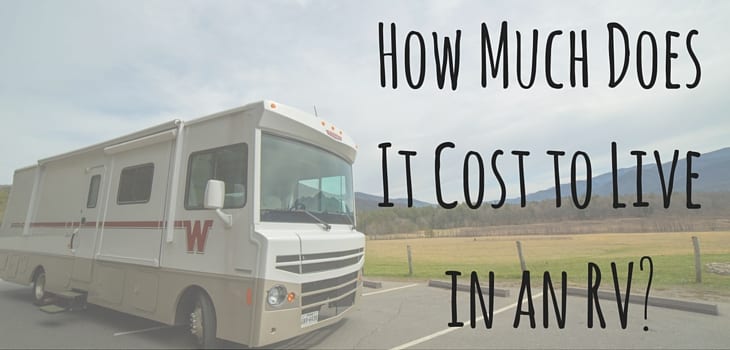
Cost Of Living In Rv Full Time
Ever dreamt of hitting the open road, waking up to a new view every week, and leaving the traditional brick-and-mortar life behind? The allure of full-time RV living has captured the imaginations of many, from digital nomads to retirees seeking adventure. It's a lifestyle promising freedom, flexibility, and a fresh perspective on what 'home' truly means. This topic is incredibly popular because it taps into a universal desire for independence and discovery, sparking curiosity about whether this dream is truly attainable. But as exciting as it sounds, a common question echoes through the minds of aspiring road warriors: 'What does it actually cost?'
Living in an RV full-time isn't just about escaping rent; it's about embracing a minimalist lifestyle, prioritizing experiences over possessions, and having the incredible ability to chase the seasons or follow your wanderlust wherever it leads. The purpose is often a pursuit of a different kind of wealth – one measured in sunsets and national park visits, rather than square footage. The benefits are clear: unparalleled freedom, proximity to nature, the ability to change your backyard as often as you like, and the chance to reinvent your daily routine on your own terms. But let's be realistic: while the dream is free, the lifestyle isn't.
So, let's talk numbers. The 'cost of living' in an RV is far from a one-size-fits-all answer. It largely depends on your travel style, RV type, and preferences. First, there's the initial investment: the RV itself. You could spend anywhere from $10,000 for a well-loved used travel trailer to over $500,000 for a luxurious new motorhome. This is often your biggest upfront expense. Beyond that, fixed costs include RV insurance (similar to car insurance but often with more comprehensive coverage), state registration fees, and a crucial budget line for maintenance and repairs. RVs, like any vehicle and home combined, need regular upkeep, and unexpected fixes are an inevitable part of the journey.
Must Read
Then come the variable, day-to-day expenses that truly shape your monthly budget. Fuel is often the biggest variable, especially if you love to move frequently. A big motorhome can get single-digit miles per gallon, making travel costs add up quickly! Your next significant recurring expense will likely be campsite fees. These can range dramatically: from free 'boondocking' on public lands (with no hookups) to $20-$50 a night at state parks, or $70-$150+ at private resorts with all the amenities. Many full-timers opt for monthly rates at parks to reduce this cost significantly. Don't forget utilities like propane for heating and cooking, and a reliable internet data plan, which is essential for staying connected for work or leisure. Of course, you still have groceries, personal care items, and entertainment, much like a sticks-and-bricks home. However, many RVers find they spend less on eating out due to the convenience of their onboard kitchen.
When you compare it to traditional housing, full-time RV living can be more affordable, especially if you embrace boondocking and DIY repairs. You trade rent/mortgage and property taxes for fuel and campsite fees. However, it's not automatically cheaper; a luxurious RV lifestyle with frequent resort stays and constant travel can easily exceed the cost of a modest apartment. The key is budgeting and flexibility. Ultimately, the cost of living full-time in an RV is what you make of it. It’s an adventure, a calculated risk, and a freedom-filled journey that many find to be truly priceless. So, if the open road is calling, remember that while the financial path requires planning, the experiences you gain are an invaluable return on your investment!