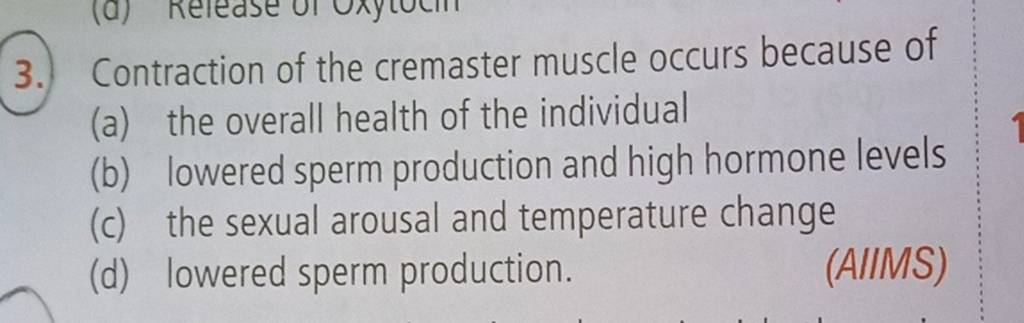
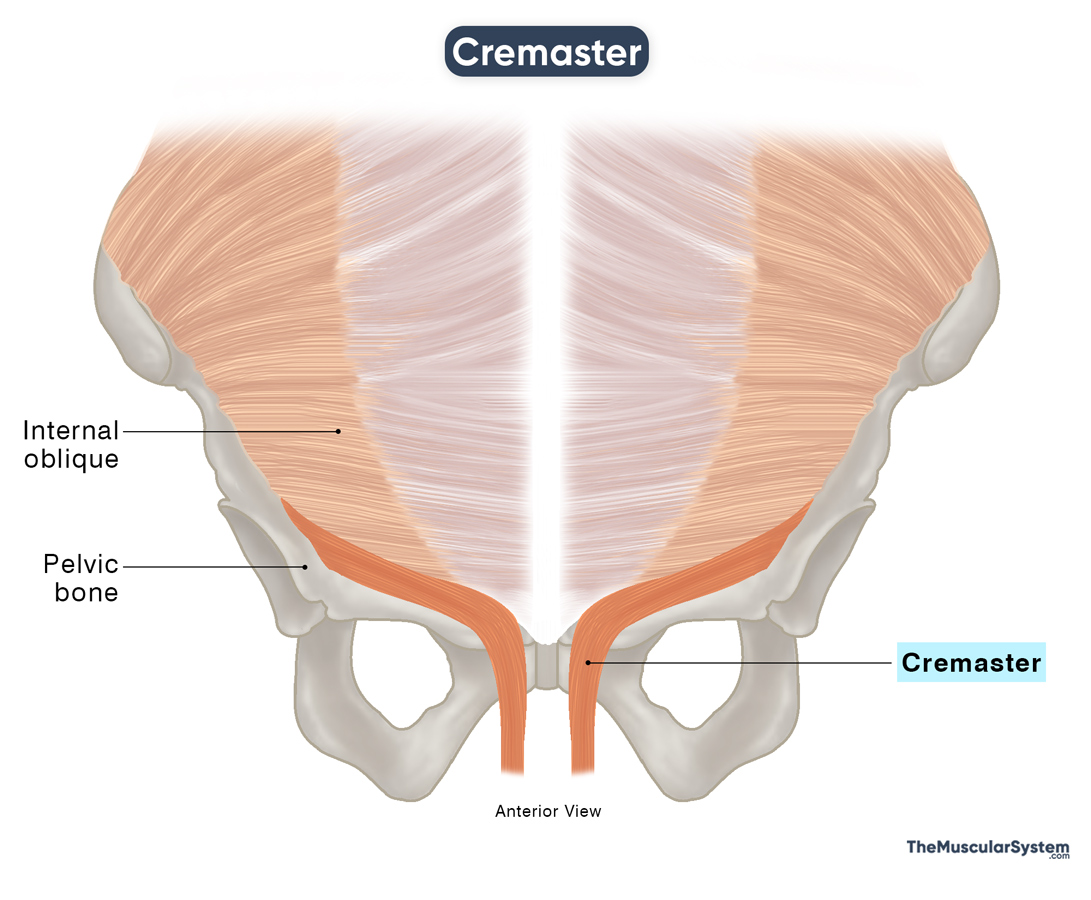
Contraction Of The Cremaster Muscles
.jpg)
Okay, let's be honest. The term "cremaster muscle contraction" doesn't exactly scream "artistic inspiration," does it? It sounds more like a medical mystery! But trust me, the underlying principle – the idea of controlled tension and release, the dynamic interplay of opposing forces – is a cornerstone of creative expression, used (often unconsciously) by artists of all stripes. Think of it as the secret sauce that gives your work its… well, its oomph! So, let’s explore how this seemingly clinical concept can actually unlock your creative potential.
For artists, hobbyists, and even casual learners, understanding this "cremaster muscle" concept (let’s just call it "dynamic tension" for brevity, shall we?) can be incredibly beneficial. It's about creating contrast and movement in your work. Imagine a painter using vibrant, energetic brushstrokes juxtaposed against areas of calm, muted color. Or a writer crafting a scene filled with breathless action, then shifting to a moment of quiet introspection. Dynamic tension allows you to manipulate the viewer's experience, guiding their eye and emotions through your creation.
Consider these examples: A dancer leaping powerfully (tension) then landing softly and gracefully (release). A sculptor creating a figure with tightly clenched fists (tension) and a relaxed, flowing gown (release). A musician building a crescendo (tension) then resolving it with a peaceful chord (release). Think of a comedian telling a joke: the setup creates tension, and the punchline provides release. The power lies in the contrast between the two.
Must Read
Even in something as simple as choosing colors, dynamic tension can play a role. A stark contrast between a bright red and a deep blue creates visual tension, while a palette of harmonious pastels promotes a sense of calm. In photography, you might use shallow depth of field to create a sense of mystery (tension) and then reveal the subject with sharp focus (release). Think about the deliberate use of negative space in graphic design – it's all about creating tension around the positive elements.
So, how can you try incorporating dynamic tension at home? It's all about experimentation! Start by identifying areas in your current projects that feel flat or uninspired. Ask yourself: Where can I add more contrast? Where can I build anticipation and then offer a satisfying resolution? Try these tips:
- Sketch thumbnails: Explore different compositions focusing on areas of high and low visual interest.
- Practice with contrasts: Experiment with contrasting colors, textures, sounds, or even words.
- Embrace asymmetry: Perfectly balanced compositions can sometimes feel static. Try introducing asymmetrical elements to create a sense of movement.
- Seek feedback: Ask others to identify areas in your work that create tension and release (or that need more of it!).
Ultimately, the joy of playing with dynamic tension comes from the power it gives you to control the emotional impact of your work. It's about creating a more engaging and memorable experience for your audience (or yourself!). It’s about adding depth, complexity, and a touch of that indefinable spark that makes art truly captivating. Don’t be afraid to experiment, to push boundaries, and to see what happens when you embrace the “cremaster muscle” – er, I mean, dynamic tension – in your creative process!