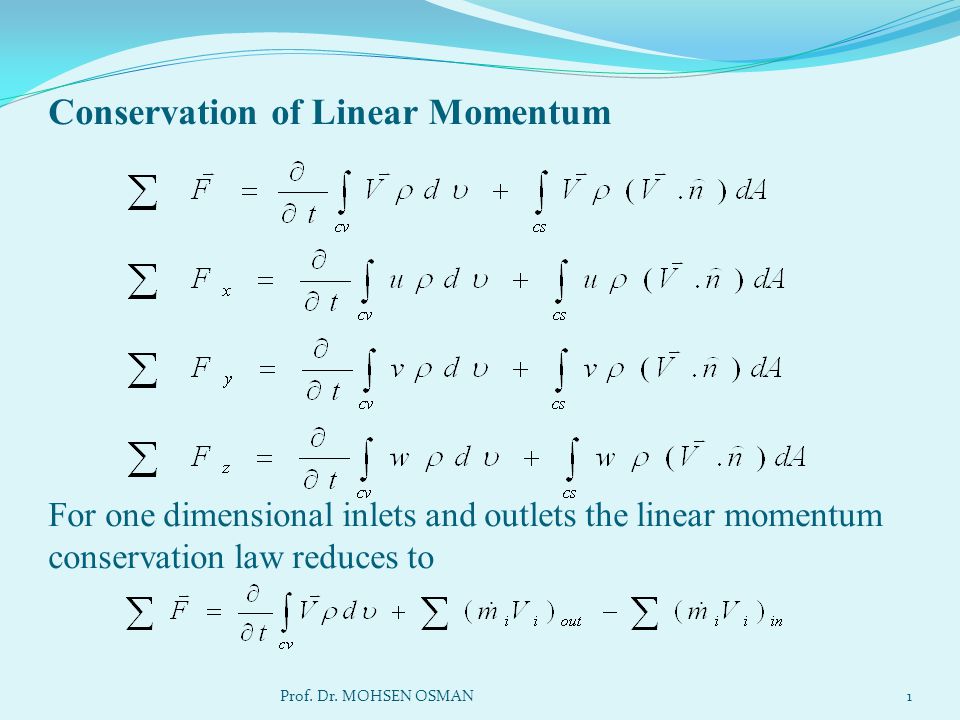
Conservation Of Linear Momentum

Hey! So, we're chatting physics today? Awesome. Let's talk about linear momentum. You know, that thing that sounds way more complicated than it actually is. Promise!
Basically, it’s how much "oomph" something has when it's moving. Think of it like this: a tiny little mosquito flying at your face has some momentum (annoying momentum!), but a speeding train? That's serious momentum. We're talking epic levels of unstoppable force… well, almost.
Momentum is all about mass and velocity. More mass? More momentum. Faster it goes? Even MORE momentum! It’s like a super simple formula: momentum (p) = mass (m) * velocity (v). Boom. Physics magic revealed!
Must Read
So, what’s this "conservation" thing all about?
Okay, so here's the kicker: conservation of linear momentum. Sounds intimidating, right? Don't sweat it! It just means that in a closed system (more on that in a sec), the total momentum stays the same. Like, forever. Or at least until someone messes with it.
Think of it like a cosmic game of pool. You've got all these balls (objects) bouncing around, hitting each other. They might exchange speed and direction, but the total "oomph" of all the balls combined before the collision is exactly the same as the total "oomph" after the collision. Mind. Blown.
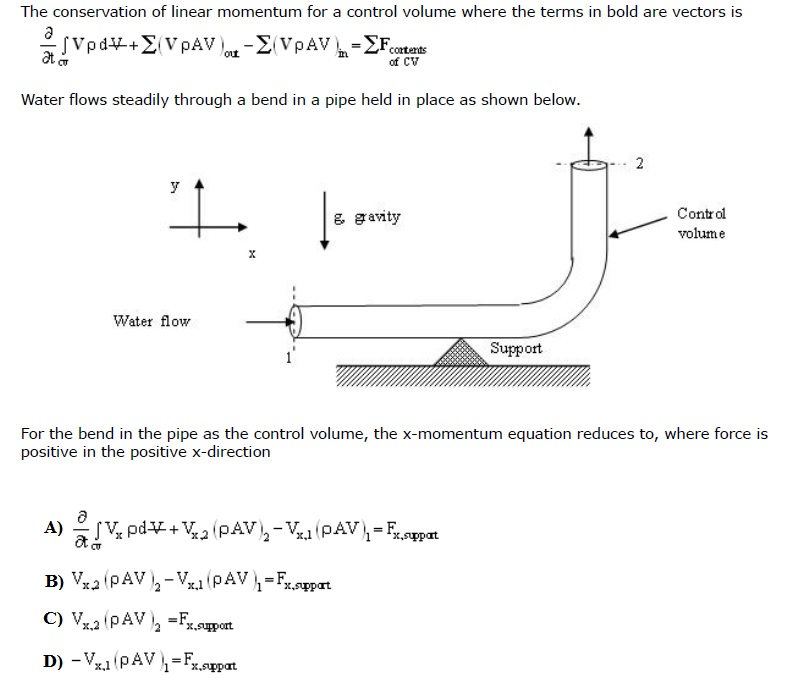
What's a closed system, you ask? Good question! It basically means no outside forces are interfering. So, no sneaky friction, no random gusts of wind, and definitely no physics trolls messing with our experiment. It's an idealized scenario, sure, but it helps us understand the core principle.
Think about it: If you're floating in space and throw a ball, you'll move in the opposite direction. Why? Because the total momentum before you threw the ball was zero (you were both still), and the total momentum after has to still be zero. So, the ball goes one way, and you (ever so slightly) go the other. It's physics in action!

Example time! Imagine two ice skaters. One big, one small. They push off each other. The little skater zooms away, right? And the big skater moves… a little. But guess what? The momentum of the little skater flying off is equal and opposite to the momentum of the big skater moving slowly. Conservation of momentum, baby!
Why is this important anyway?
Great question! Why should you care about some weird physics concept? Well, conservation of momentum is everywhere. Seriously. It helps us understand how rockets work (exhaust goes one way, rocket goes the other!), how car crashes happen (understanding how forces are distributed can save lives!), and even how galaxies form (okay, that’s a bit more advanced, but still!).
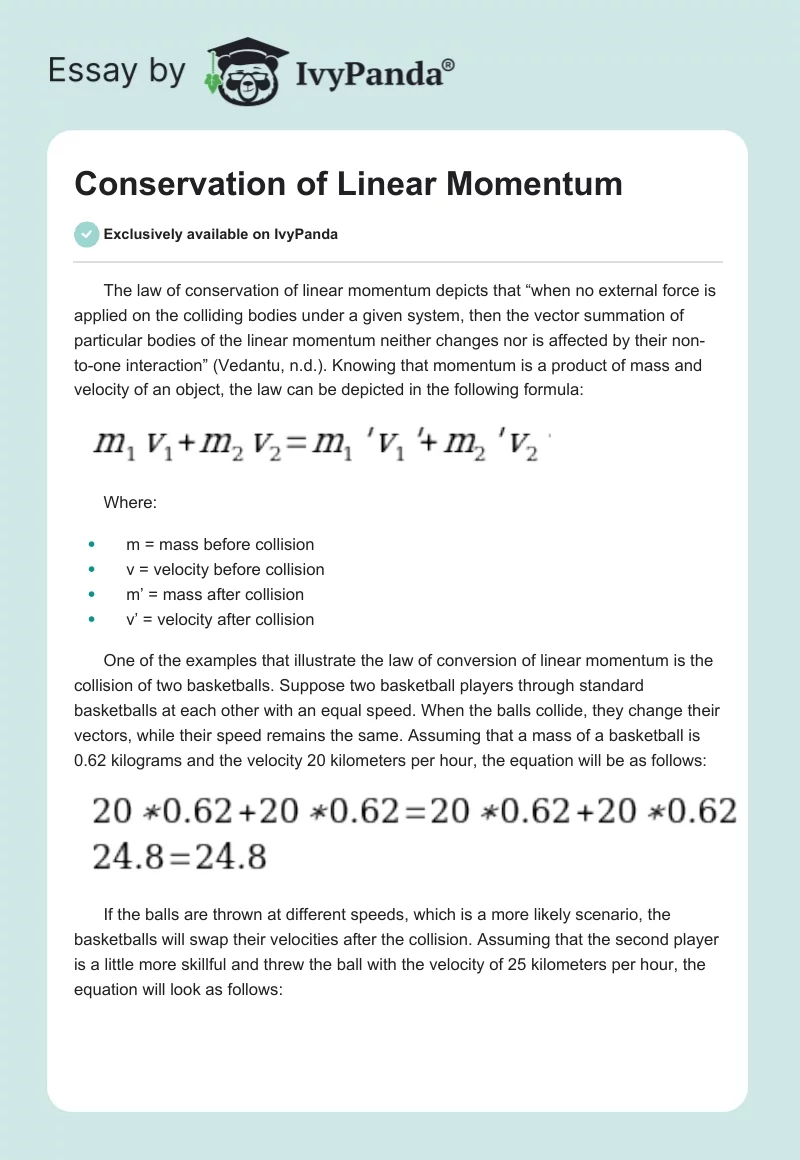
And it's not just for physicists in white coats (though they dig it too, I'm sure). Mechanics, engineers, game developers… they all use these principles! Think about designing a pool table – knowing how the balls will react after impact is essential. Without momentum conservation, pool would be pure chaos! (Okay, maybe a little chaos is fun… but predictable chaos is even better!).
So, next time you see something move, remember momentum. Remember that hidden force that's always conserved, always balanced. It's the silent puppeteer behind the scenes, orchestrating the dance of the universe. Pretty cool, huh?
Of course, there's more to the story. We could talk about impulse, angular momentum, and all sorts of other fun stuff. But for now, let's just appreciate the simple beauty of conservation of linear momentum. It's a fundamental law of physics, and it's surprisingly easy to understand. Now, who wants another coffee?