
Commercial Water Leak Detection System
Ever had that heart-sinking moment when you discover a mysterious damp patch on your ceiling, or worse, a tiny puddle growing into a small lake under your sink? It’s a pain, right? Now, imagine that problem scaled up a hundred — or even a thousand — times in a massive commercial building. We're talking about office blocks, hospitals, museums, data centers, even huge retail stores.
Suddenly, that little drip isn't just an annoyance; it's a potential catastrophe. But here's where things get super interesting! There's a whole world of tech out there designed to prevent these watery woes before they even start. We're talking about Commercial Water Leak Detection Systems, and honestly, they're way cooler than they sound.
So, What Exactly Are We Talking About?
Think of it like this: your home might have a smoke detector to warn you about fire. These commercial systems are the water equivalent, but cranked up to eleven. They're basically a network of smart sensors and sophisticated monitors that constantly keep an eye – or rather, a feel – out for any unexpected water where it absolutely shouldn't be. From a tiny weep in a pipe to a sudden gush, these systems are designed to be the first responders.
Must Read
It's not just about finding a big flood; often, it's about catching those insidious little leaks that slowly cause damage over time, the kind that might otherwise go unnoticed for weeks, months, or even years!
Why Are These Things Such a Big Deal?
You might be thinking, "It's just water, how bad can it be?" Oh, friend, let me tell you, it can be really bad. And that's precisely why these leak detection systems are the unsung heroes of modern infrastructure.
The Money-Saving Marvel
Let's talk dollars and cents, because businesses certainly do. A small, unnoticed leak can waste an incredible amount of water over time. That's not just bad for the planet; it's bad for the utility bill! These systems can help slash water waste and, in turn, reduce operating costs significantly. Think of them as the building's diligent accountant, making sure not a single drop (or cent) is unnecessarily spent.
Preventing Disaster (and Huge Headaches)
Beyond the water bill, there's the truly scary stuff. Water leaks can lead to:
- Structural damage: We're talking weakened foundations, rotting wood, compromised electrical systems. Yikes!
- Mold and mildew: Not only is it gross, but it's a serious health hazard and super expensive to remediate.
- Equipment damage: Imagine a server room or a delicate museum exhibit getting drenched. That's not just expensive; it could be catastrophic for a business or priceless artifacts.
- Business interruption: If a leak leads to a flood, an entire section of a building, or even the whole thing, might have to shut down. No business, no revenue.
A good leak detection system is like having a superhero on permanent standby, ready to avert these disasters before they even get started. It's about protecting assets, health, and livelihoods.

Peace of Mind, Served Daily
For facility managers and building owners, these systems offer something invaluable: peace of mind. Knowing that critical areas are constantly monitored, and that you'll be alerted at the first hint of trouble, allows them to sleep a little sounder at night. It's like having a digital guardian watching over the building 24/7.
How Do These Digital Bloodhounds Work Their Magic?
It's pretty clever, really. These systems generally involve a few key components:

The Sensors: The Eyes and Ears
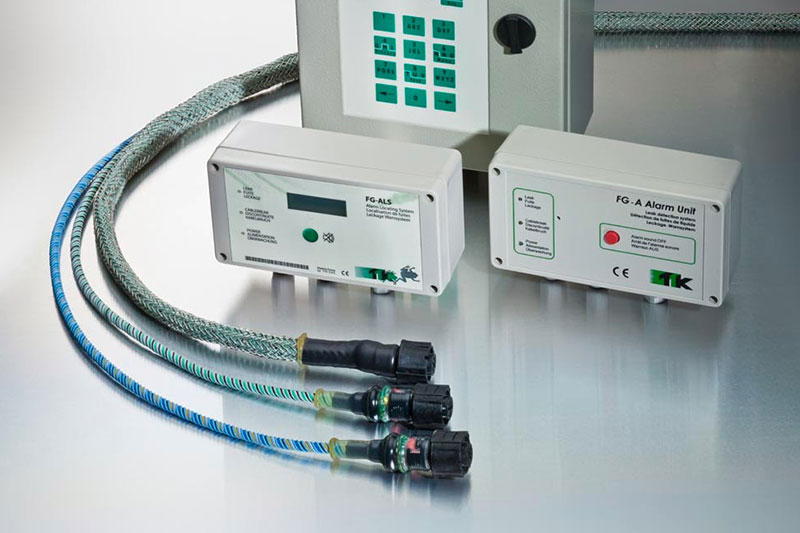
Imagine tiny, watchful sentinels placed strategically throughout a building. These are the sensors. Some are spot sensors, designed to detect water at a specific point (like under a critical piece of equipment or near a drain). Others are cable sensors, which are long, flexible ropes that can detect water along their entire length. You can snake them around pipes, under raised floors in data centers, or across large open areas. These cables are like the building's nervous system, feeling for any wetness.
The Control Panel: The Brain
All these sensors are wired back to a central control panel. This is the brain of the operation, constantly monitoring signals from every sensor. When a sensor detects water, it sends an alert to the panel, which then springs into action.
The Alerts: The Call to Action
This is where it gets really smart. When a leak is detected, the system doesn't just sit there. It typically triggers a cascade of alerts:

- Audible alarms: A siren might blare within the building.
- Visual indicators: Lights might flash on the control panel, pinpointing the exact location of the leak.
- Digital notifications: This is the really powerful part. Building managers can receive instant SMS messages, emails, or push notifications on their phones, even if they're miles away. Some systems can even integrate with building management software, automatically shutting off valves or triggering other responses.
It’s like having an incredibly efficient early-warning system that not only detects the problem but also tells you exactly where it is and who needs to know.
More Than Just a Gadget: It’s an Investment
From protecting priceless artworks in museums to ensuring the continuous operation of life-saving equipment in hospitals, commercial water leak detection systems are far more than just fancy gadgets. They are an essential layer of protection for our most important, complex, and valuable buildings.
So, the next time you walk into a sprawling office complex or a bustling data center, spare a thought for those silent, vigilant systems working tirelessly behind the scenes. They're making sure everything stays dry, safe, and running smoothly. Pretty cool, right?