
Commercial Electricity Prices Per Kwh
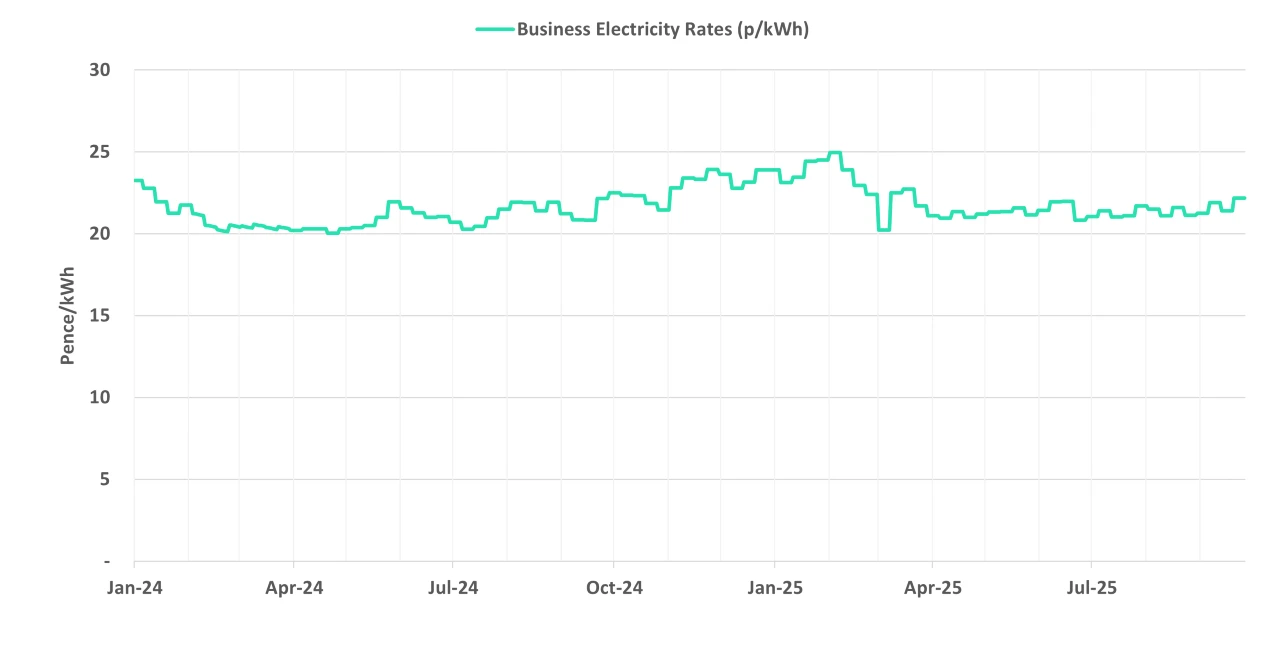
Ever peeked at a business's utility bill? Or perhaps just pondered the sheer cost of keeping the lights on in a local shop? We all need electricity. It powers our homes, our phones, and our morning coffee machine. But there's a curious beast lurking in the shadows of commerce: the Commercial Electricity Price Per kWh. It's a phrase that sounds serious, doesn't it?
For us regular folks, electricity is electricity. We plug something in, it works. We get a bill. We grumble a bit. But for businesses, it’s a whole different ballgame. It feels like they're playing on a higher difficulty setting, often with fewer cheat codes.
Let's talk about the mysterious kilowatt-hour, or kWh. It’s the unit of energy consumption. One kWh powers a 100-watt bulb for ten hours. Simple enough, right? Except when it comes to the price tag for businesses, that simple unit suddenly feels like it's been sprinkled with magic money dust.
Must Read
The Great Commercial Premium Mystery
Why does commercial electricity seem to carry such a hefty premium? Is it special electricity? Does it glow a different color when it leaves the power plant and heads towards a pizza shop instead of your living room? Probably not. It's the same electrons, doing the same zippy dance.
Yet, the cost for each tiny kWh often feels like it’s wearing a tiny top hat and monocle, demanding a higher fee just for existing in a commercial setting. It's almost as if the electricity knows it's powering a business. It thinks, "Aha! They're making money! I should too!"
.webp)
The electrons arriving at a small bakery often feel like they've been on a more expensive, first-class journey than the ones lighting up your TV.
You see a small, independent coffee shop. They're brewing your delicious latte, keeping the fridge cold, and running the espresso machine. Every single appliance is gobbling up kWh after kWh. And each one of those units feels like it costs a little bit more just because it's working for a living.
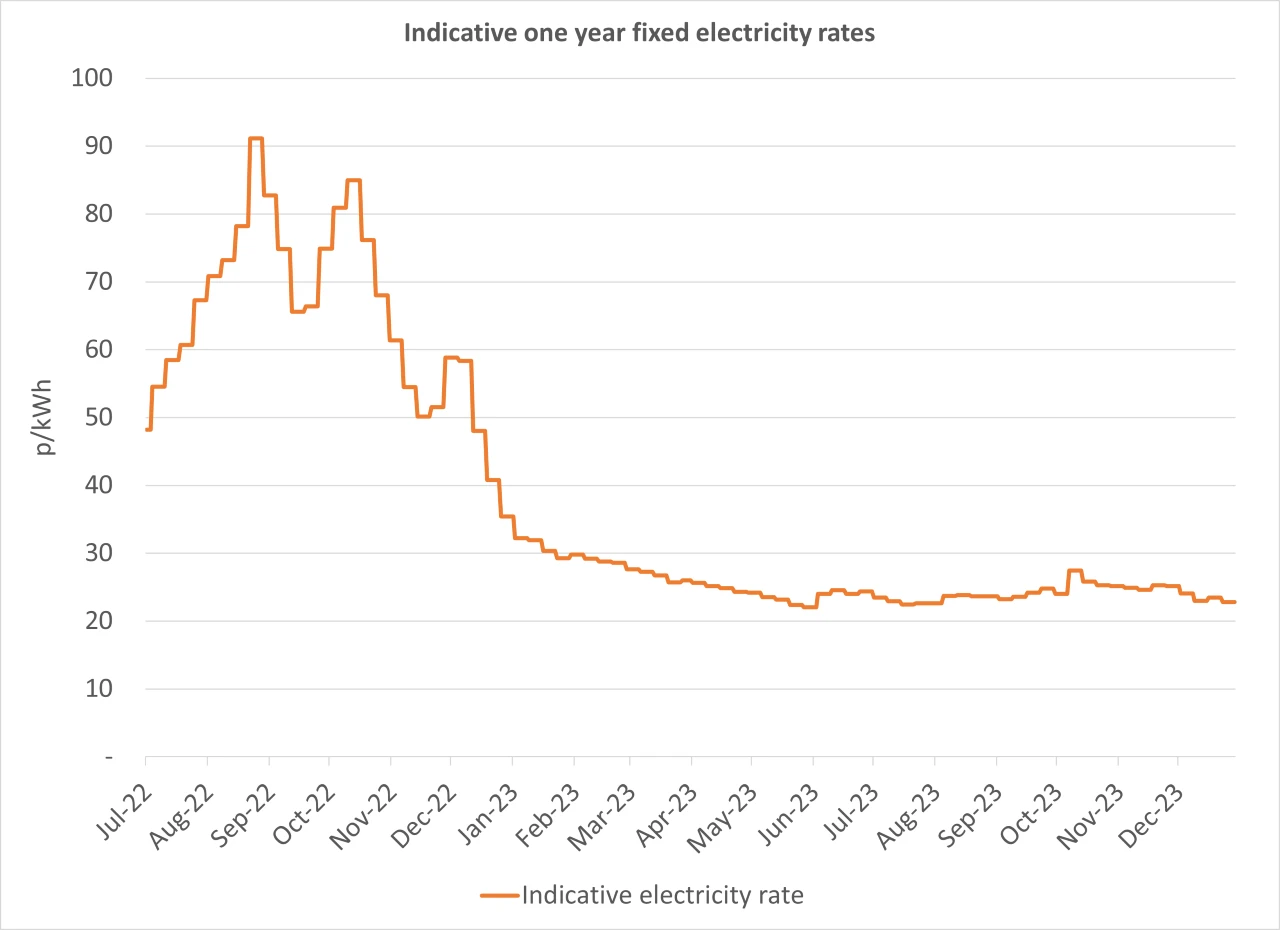
Are Commercial Meters Just Faster?
It’s an "unpopular" opinion, perhaps, but sometimes it feels like commercial electricity meters just spin faster. You glance at your home meter, it’s doing its thing. You imagine the meter at the local dry cleaner, and it seems to be in a frantic race against time. Is it just perception?
Maybe the grid has a secret sensor. "Ah, this power is going to run a cash register! Charge extra!" Or, "This energy is powering a sign that says 'Open'! That's prime-time electricity right there!" It's a whimsical thought, but it helps explain the feeling of disparity.
The difference between residential and commercial electricity prices per kWh can be significant. Sometimes it's due to volume, sometimes it's about demand charges, or peak usage. But to the average person, it just looks like the same invisible energy costing two very different amounts.

The Invisible Burden on Small Business
Think about your favorite local eatery. They're making fantastic food, but also paying for the ovens, the refrigerators, the lights, the air conditioning. Each of these consumes energy, and each unit of that energy comes with a price tag that contributes to their overhead.
When you see prices go up at your beloved local store, it’s easy to blame ingredients or labor. But a silent, powerful contributor is often that seemingly small number: the commercial electricity price per kWh. It adds up, quickly and relentlessly.
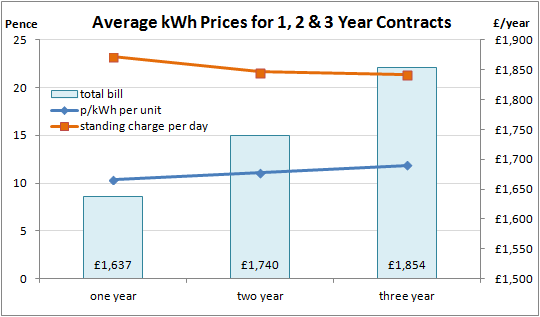
It's not just the big factories that face these costs. It's the little flower shop, the friendly neighborhood barber, and the cozy bookstore. Every lightbulb, every fan, every payment terminal hums along, adding to that commercial utility bill.
So, the next time you hear someone grumble about business costs, spare a thought for the humble kWh. For businesses, it’s not just a unit of measurement. It’s a significant line item, a persistent financial whisper in the ear of every entrepreneur. And sometimes, it feels like it’s whispering just a little too loudly.
It makes you wonder, doesn't it? Is there a secret club for commercial electrons? Do they get tiny bonuses? Or are we simply paying for the privilege of powering dreams, one expensive kWh at a time?