
Collaboration With Ai For Bett Uf

Alright, alright, gather 'round! Let me tell you about my recent escapades with the robots. No, not the kind that want to steal your job... well, not yet anyway. I’m talking about AI collaboration, specifically for something I’m calling "Bett Uf." (Pronounced "Bet You Off," but way less aggressive. Think more like, "I bet you’d be better with this.")
Now, Bett Uf is my super-secret (until now!) project aimed at… well, improving stuff. I'm being vague on purpose. What "stuff"? It could be anything! We're talking world peace, perfecting pizza, inventing self-folding laundry – the possibilities are endless! Okay, maybe not world peace. That's a tough nut. But definitely better pizza.
Round One: Brainstorming with Brainiac
My first step was brainstorming. And boy, am I good at brainstorming! I can stare blankly at a whiteboard for hours, occasionally scribbling down ideas like "flying squirrels with jetpacks" or "taco-flavored toothpaste." See? Pure genius! But sometimes, even my genius needs a little nudge. That's where the AI came in.
Must Read
I used this fancy-pants AI tool that promises to generate infinite ideas. I typed in a vague prompt like, "Make Bett Uf awesome," and BAM! Out came a deluge of suggestions. Some were genuinely insightful (like "optimize user experience"). Others were… let's just say they needed some, uh, refinement. I’m talking about suggestions like "teach squirrels to understand Shakespeare" and "invent toothpaste that tastes like Brussels sprouts." Clearly, the AI needs to work on its flavor profiles.
Lesson Learned: AI is great for quantity, but quality? That's where the human touch still reigns supreme. Think of it as having a hundred monkeys typing Shakespeare – eventually, something good might come out. But it's going to take a while, and you’ll probably have to clean up a lot of banana peels.
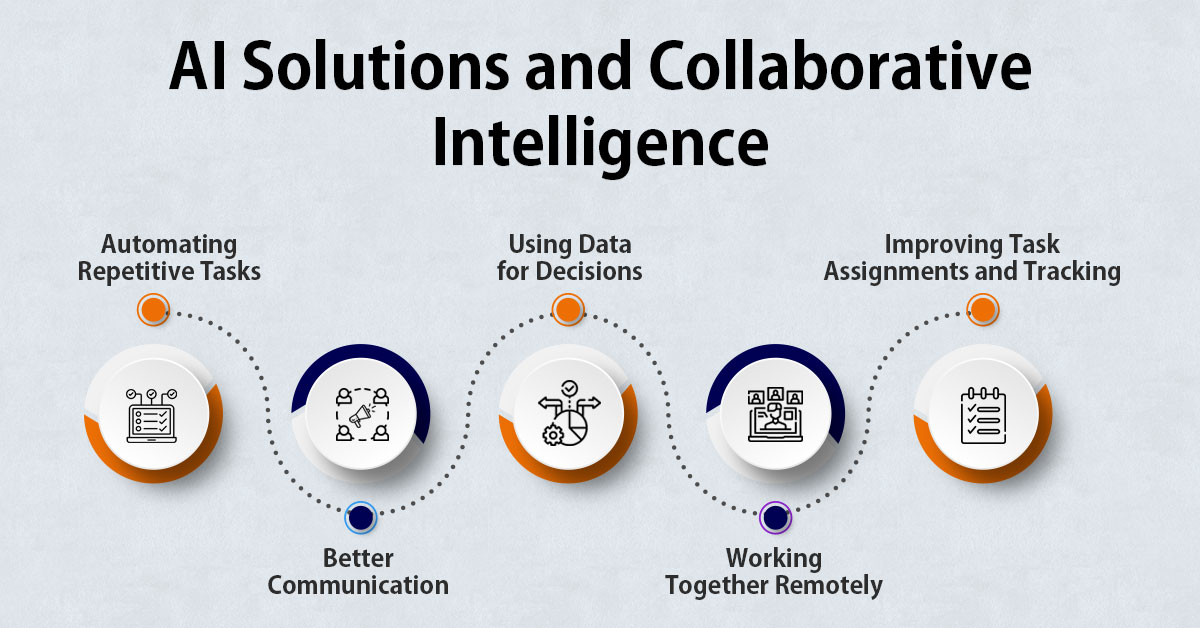
Round Two: Coding Chaos & Robotic Reviewers
Next up: coding! Now, I’m not a coder. The last time I tried to write code, my computer threatened to self-destruct. So, I employed the AI to write some basic scripts. It did a surprisingly decent job… until it started adding in random cat memes and lines of code that translated to "Feed me batteries!" Apparently, the AI had a hidden agenda.
Luckily, I wasn't alone! Other AI systems can act as code reviewers, hunting down bugs and security flaws like tiny digital bloodhounds. This was incredibly useful. It basically prevented my program from accidentally launching nukes or ordering 10,000 rubber chickens online. Which, honestly, I'm a little disappointed about. Imagine the chaos!
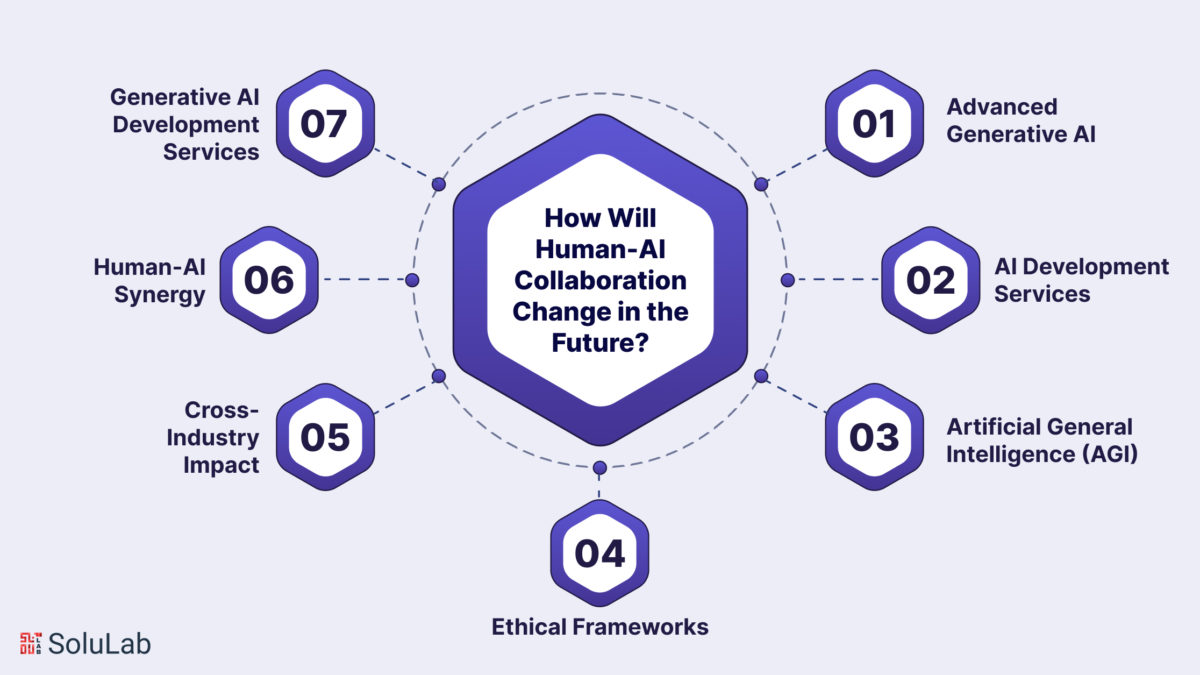
Surprising Fact: Did you know some AI programs can now write code better than many human programmers? Okay, maybe not all programmers. I'm sure my friend Steve, who lives and breathes binary, is still safe. But it's getting close! The robots are coming for our jobs… one perfectly executed semicolon at a time!
Round Three: Design Dilemmas & Artistic Algorithms
The final stage: design! I envisioned a sleek, modern interface. Something that screams "future!" but also whispers, "user-friendly!" The AI, however, had other ideas. It kept generating designs that looked like a Picasso painting after a rave. We're talking neon colors, geometric shapes that defied the laws of physics, and a font that could only be read by dolphins.
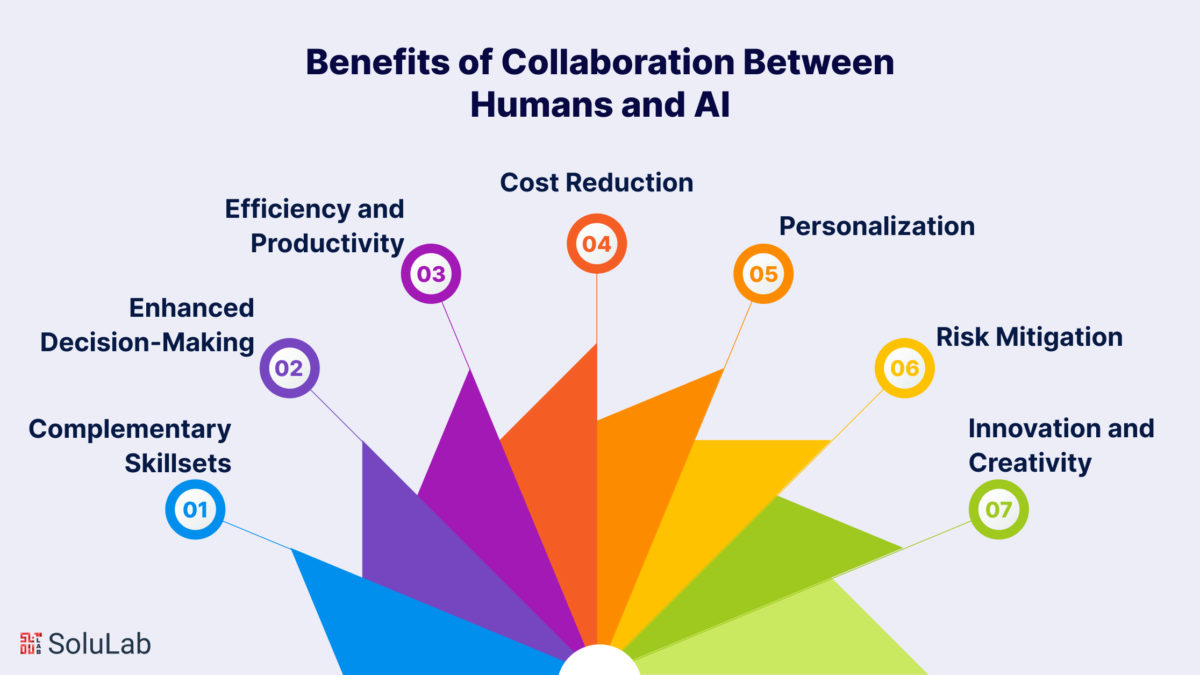
Eventually, after much tweaking and a healthy dose of human intervention, we managed to create something aesthetically pleasing. The AI provided the initial ideas, but I had to refine them, add my artistic vision, and generally prevent it from turning Bett Uf into a visual nightmare.
The Key Takeaway: Collaboration is key! AI is a powerful tool, but it's not a replacement for human creativity and critical thinking. Think of it as a super-powered intern. They can do a lot of the grunt work, but you still need to guide them, mentor them, and occasionally prevent them from accidentally deleting the entire company database.
So, what's the future of AI collaboration? I'm betting (Uf!) it's going to be even more integrated into our lives. We’ll be working side-by-side with algorithms, augmenting our abilities, and probably still having to explain why squirrels don’t need Shakespeare. But hey, at least we’ll have better pizza!
