
Classes Of Fire And Extinguishing Agent
We all love a good cozy night in, maybe by a crackling fireplace or with a fragrant candle flickering nearby. Fire, in its controlled form, is enchanting. But when it gets out of hand, it's a whole different story. And here's a secret: not all fires are created equal. Trying to put out a grease fire with water is like bringing a spoon to a sword fight – it’s just not going to work, and frankly, it'll make things much, much worse. Understanding the classes of fire and their corresponding extinguishing agents isn't just for firefighters; it's a savvy life hack for anyone who wants to stay safe and prepared. Let's dive in!
Getting to Know Your Flames: The Classes of Fire
Think of fire classes like different personality types. Each one needs a unique approach to be calmed down.
Class A: The Common Kindling
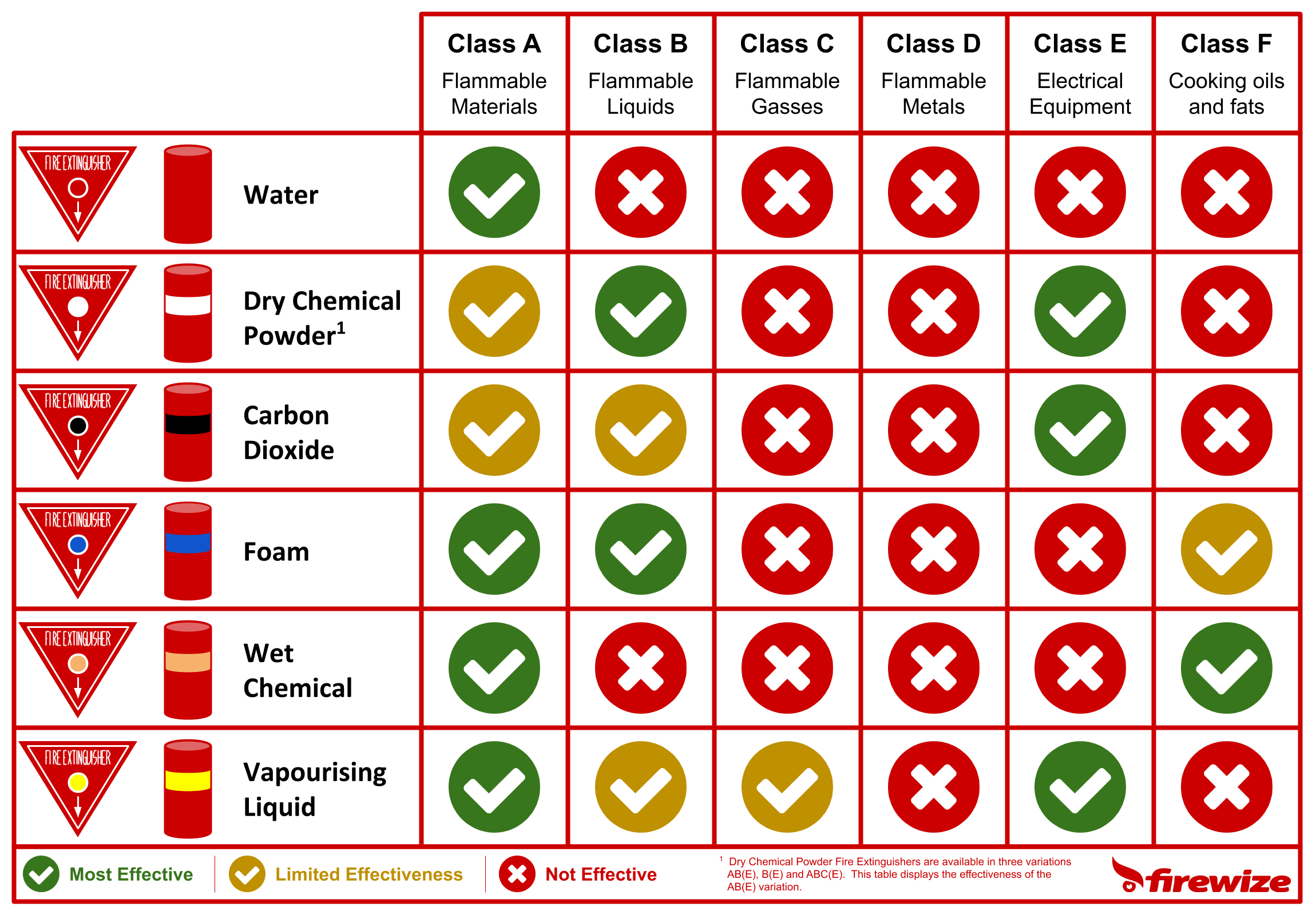
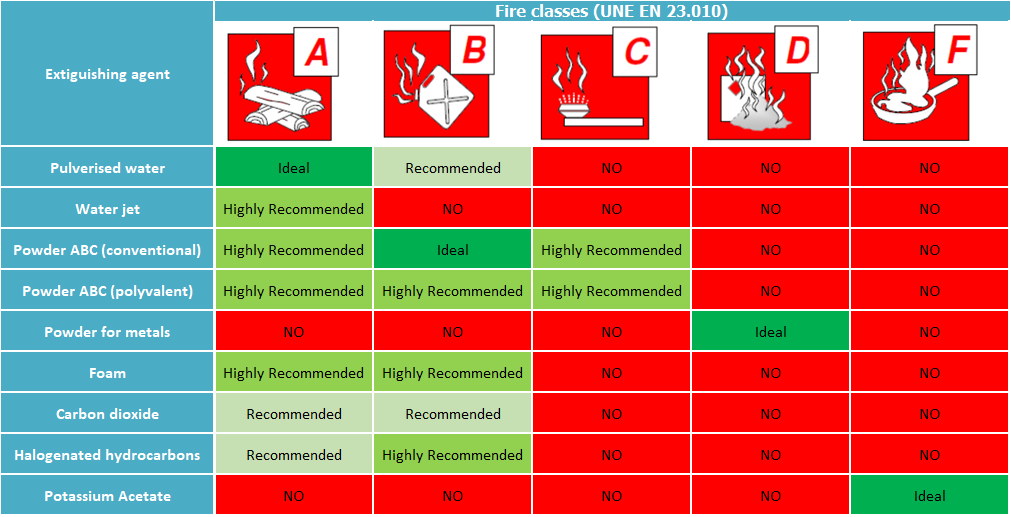
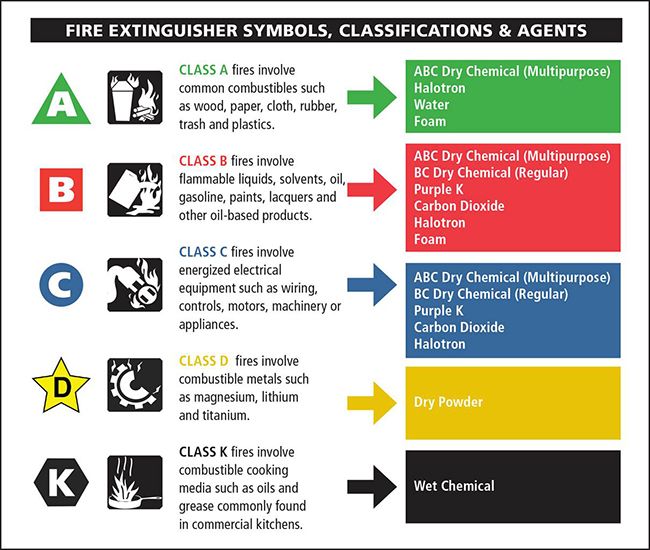
This is your everyday fire. We’re talking about things like wood, paper, cloth, rubber, and plastics. Picture a bonfire, a stack of old newspapers, or your favorite cotton throw rug. These fires leave an ash, which is why they're often called "ordinary combustibles." The best friend for a Class A fire? Good old water. It cools down the fuel and stops the combustion. Simple, effective, and readily available – just like a refreshing glass of agua on a hot day.
Must Read
Class B: Flammable Liquids & Gases
Now we’re moving into the slick stuff. Class B fires involve flammable liquids and gases, like gasoline, oil, propane, paint, and alcohol. Think about a spill at the gas station or a faulty gas grill. The key here is to smother the fire, depriving it of oxygen. Trying to douse these with water will only spread the problem, like trying to catch smoke with your bare hands. Instead, you'll need agents like foam, carbon dioxide (CO2), or dry chemical extinguishers. They create a barrier or displace the oxygen, cutting off the fire's breath.
Class C: The Electric Buzz
The "C" in Class C stands for current – or rather, energized electrical equipment. These fires involve things like appliances, wiring, fuse boxes, or any plugged-in gadget. The absolute golden rule here is NEVER use water. Water conducts electricity, which means you could get a nasty shock, or worse. For Class C fires, you need non-conductive agents like carbon dioxide (CO2), dry chemical, or clean agents. These types of extinguishers won't leave a conductive residue, making them safe for your electronics once the power is cut.

Class D: The Metallic Mystery (Less Common for Homes)
These are the superheroes of the fire world – combustible metals like magnesium, titanium, potassium, and sodium. You probably won't encounter these in your kitchen (unless you’re a very experimental metallurgist!). Class D fires burn extremely hot and react dangerously with water. They require very specialized extinguishing agents, often a specific dry powder tailored to the metal. So, definitely don’t try to put out a magnesium fire with your garden hose – leave this one to the pros!
Class K: The Kitchen Calamity (Cooking Oils & Fats)
Last but certainly not least, especially for us foodies, is Class K. The "K" stands for Kitchen and specifically addresses fires involving cooking oils and fats, like vegetable oil, animal fats, and deep-fat fryers. These burn at incredibly high temperatures. Remember that sizzling stir-fry? If it catches, water is your enemy. Water can cause grease to splatter, spreading the fire and creating dangerous steam explosions. The hero here is a wet chemical extinguisher. It creates a chemical reaction (called saponification) that turns the burning oil into a non-combustible, soapy foam, cooling it down and smothering it.
Your Fire-Safety Toolkit: Essential Agents
So, which extinguisher should you have at home? For most residential settings, an ABC dry chemical extinguisher is your best bet. It’s versatile enough to tackle Class A, B, and C fires, giving you solid all-around protection. For the kitchen, especially if you love deep-frying, a Class K wet chemical extinguisher is a smart addition.
Always remember the P.A.S.S. method when using an extinguisher:
- Pull the pin.
- Aim the nozzle at the base of the fire.
- Squeeze the handle.
- Sweep the nozzle from side to side.
But here's the most important tip: If a fire is too big, spreading rapidly, or you're unsure, get out, stay out, and call 911 immediately! Your safety is always paramount.
A Little Knowledge, A Lot of Peace
Understanding these fire classes and their unique solutions isn't about being paranoid; it's about being empowered. Just like knowing what spice goes with what dish, or which tool to use for a specific DIY project, having this knowledge gives you a sense of control and confidence. It’s about being prepared, keeping your loved ones safe, and enjoying your cozy moments without a hidden worry. So, next time you light a candle, you'll know exactly what kind of fire friend you're inviting into your space, and how to gently show it the door if it ever overstays its welcome.
![Classes of Fire Extinguishers & Types of Fires [Guide]](https://rainbowrestores.com/us/en-us/rainbow-restoration/_assets/images/Blog/types-of-fire-extinguishers.webp)