Picture a fire. What do you see? Maybe flickering logs in a cozy fireplace, or perhaps a kitchen flare-up quickly doused by a quick-thinking chef. And the hero of this story? Usually a trusty red fire extinguisher, ready to spray water, foam, or a cloud of CO2.
Most of us have a basic idea of what these everyday heroes do. They tackle wood, paper, grease, or electrical fires. But what if the fire wasn't made of something ordinary? What if, just imagine, metal itself decided to put on a fiery show?
Sounds wild, right? Metal, the stuff of bridges, car chassis, and even your sparkling jewelry, isn't supposed to burn. It's strong, sturdy, almost invincible. Yet, in certain surprising circumstances, some metals can indeed ignite, burning with an intense, almost alien glow.
Think about a little spark from a grinding wheel. Harmless enough, right? But if that spark lands on certain types of metal, under the right conditions, you could be in for a real shock. These aren't your typical campfires; they’re unique chemical reactions that generate incredible heat and light.
For instance, ever wondered what gives fireworks some of their brilliant white flashes? Often, it’s tiny bits of magnesium. This incredibly lightweight metal, when finely divided or heated sufficiently, can burn with a blinding intensity. Throw water on it, and you're not putting it out; you're likely making it worse, as the water reacts violently, creating hydrogen gas and potentially an explosion.
Then there's the unsung hero of our modern world: lithium. It’s in our phone batteries, laptops, electric cars, and countless other gadgets. Lithium is fantastic for storing energy, but if a battery gets damaged, overcharged, or just decides to have a bad day, it can go into thermal runaway. This is where the battery material itself starts to burn.
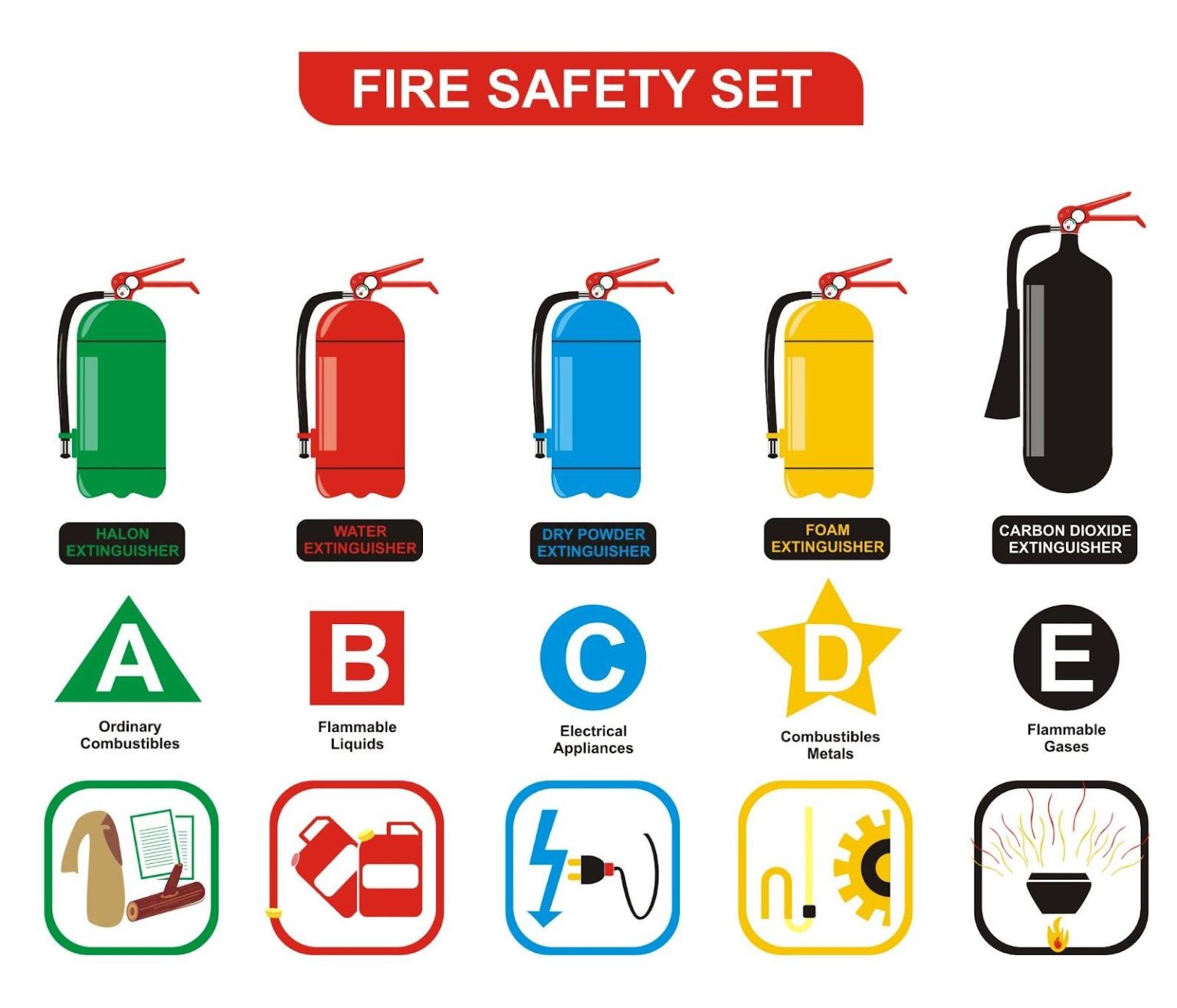
Class D Fire Extinguisher: What Is It & What Is It Used For?
The Everyday Tech Tantrum
Imagine young Liam, a budding drone enthusiast, meticulously assembling his latest aerial marvel in his garage. He’s powering up the high-capacity lithium-ion battery for the first time, checking connections. Suddenly, a strange smell wafts through the air, followed by a puff of smoke. His heart leaps into his throat.
Before he can even fully grasp what's happening, the battery pack sparks. A tiny flame appears, then rapidly grows, spitting molten material. Liam instinctively grabs the small red extinguisher he keeps handy for woodworking mishaps. He blasts it at the burning battery.
"It just kept burning, even hotter! The spray seemed to make it angry," Liam recounted later, still a bit wide-eyed. "The flames turned this weird, super-bright white. I thought my whole garage was going to go up!"
Regular fire extinguishers, designed for ordinary fires, are simply outmatched by burning metals. Water can cause explosive reactions. CO2 might displace oxygen, but burning metals often produce their own oxygen or burn so intensely they don't need atmospheric oxygen. Foam? Forget about it; it’ll just boil off and make a mess.
The Quiet Guardian: Powder Power!
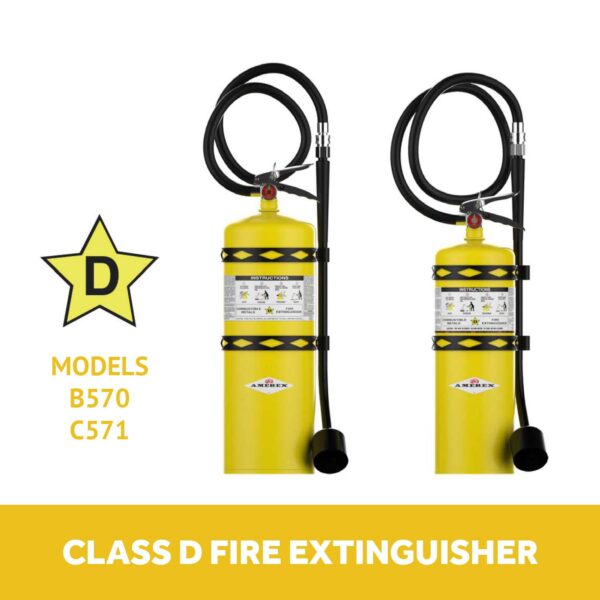
This is where our specialized, often overlooked hero steps in. This particular type of extinguisher isn't red; it's usually yellow, indicating its unique purpose. It doesn't spray water or foam. Instead, it blasts a special dry powder.
What Is a Class D Fire Extinguisher? - Shutgun
This isn't just any powder. It's often a blend of chemicals like sodium chloride (yes, salt!) or graphite. The magic of this powder lies in its ability to literally smother the metal fire. It forms a crust over the burning metal, cutting off its access to oxygen and absorbing the immense heat.
Back to Liam's garage: his neighbor, Sarah, a retired chemist with an impeccably organized workshop, heard the commotion. She rushed over, not with a garden hose, but with a distinctive yellow cylinder.
With a calm focus, Sarah aimed the nozzle. A cloud of fine, almost sand-like powder enveloped the furious lithium battery. The super-bright flames, which had been defiantly spitting and growing, instantly began to diminish, sputtering into submission under the smothering blanket.
"You can't fight fire with fire, and you definitely can't fight burning metal with water!" Sarah explained to a relieved Liam. "This powder creates a barrier. It’s the only way to tackle something like burning lithium or magnesium safely."Class D Fire Extinguisher - The Fire Safety Guys
Saving the Workshop, One Grain at a Time
Consider another scene, far from a hobbyist's garage. In a specialized manufacturing plant, where intricate parts for aerospace or medical devices are crafted, precious metals like titanium or zirconium are often machined. These operations produce fine metal dust, which, if allowed to accumulate and ignite, can be extremely dangerous.
One day, a machining error leads to an unexpected spark. A small pile of titanium dust ignites, flaring up in a blinding flash. It’s an immediate, high-stakes emergency. Regular extinguishers are useless. Only the specialized powder can create that crucial inert blanket, separating the burning metal from any further oxygen and cooling it down.
The swift action of a trained technician, grabbing that distinct yellow extinguisher, means the difference between a contained incident and a potential catastrophe. It saves expensive machinery, invaluable materials, and most importantly, lives.
These specialized extinguishers aren't just for dramatic industrial accidents. Imagine a jewelry maker working with a unique alloy, or a custom car restorer polishing a rare vintage part made with specific lightweight metals. A tiny mistake, a stray spark, and they could be facing a fire unlike any other.
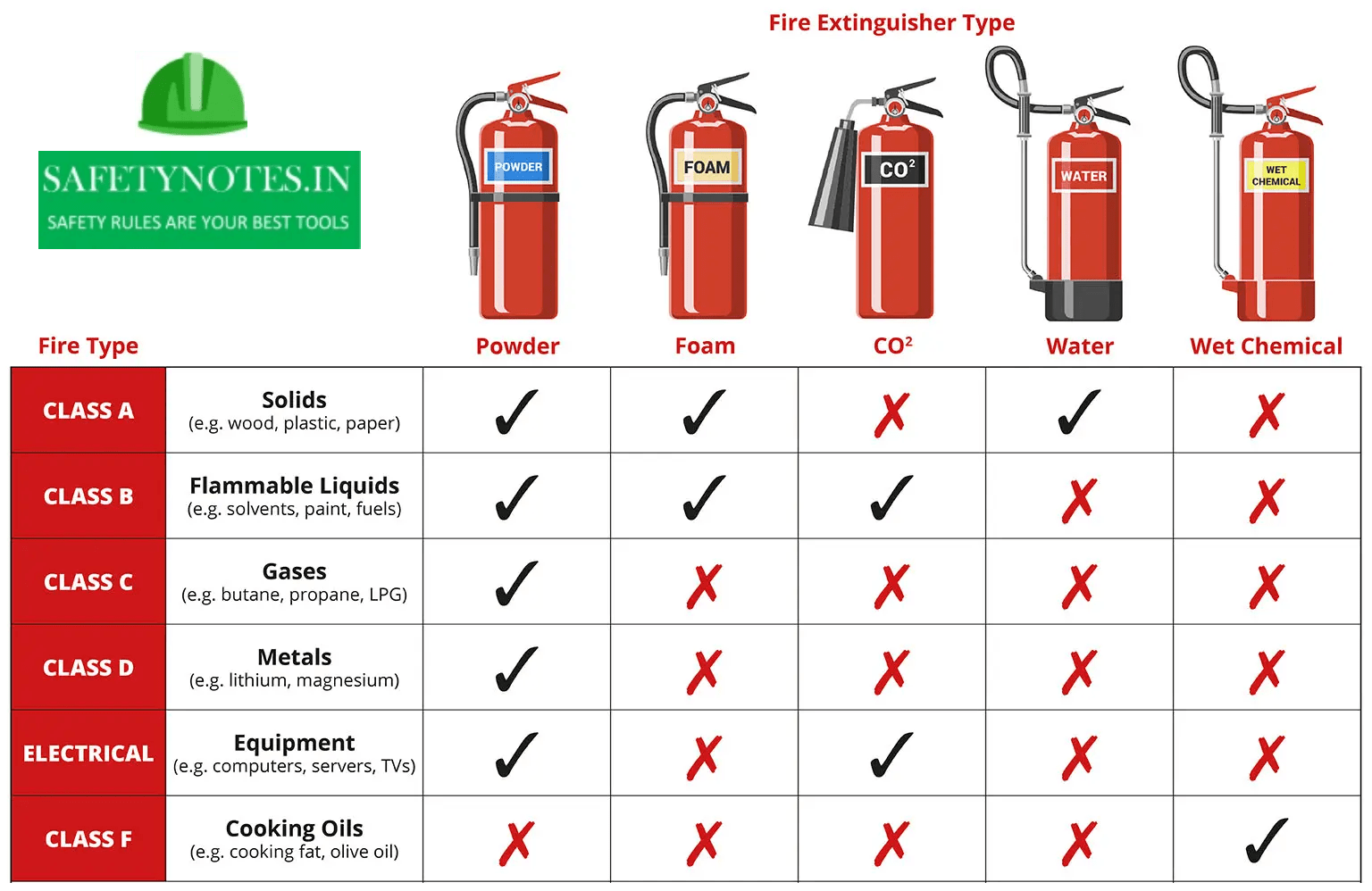
Classes Of Fires And Extinguishers - Safety Notes
The quiet presence of a Class D fire extinguisher in these specialized workshops is a testament to foresight and specific knowledge. It’s a peace of mind for artisans and engineers alike, allowing them to pursue their passions knowing that if the unthinkable happens, they have the right tool for the job.
The Unsung Hero of Specialized Safety
So, the next time you marvel at the sleek design of a modern car, enjoy the extended battery life of your smartphone, or admire a piece of intricate metalwork, spare a thought for the challenges these materials present.
The world of fire safety isn't just about red cylinders. It's also about the yellow ones, the specialized guardians that stand ready for the most challenging, surprising, and often intense fires. They protect everything from our everyday gadgets to the most advanced industrial processes.
These extinguishers are the unsung heroes of niche safety, proving that not all fires are created equal, and some require a truly unique solution. They are the quiet, dusty champions against the fiery tantrums of magnificent metals.