
Choose The True Statement About Steel Shot Versus Lead Shot
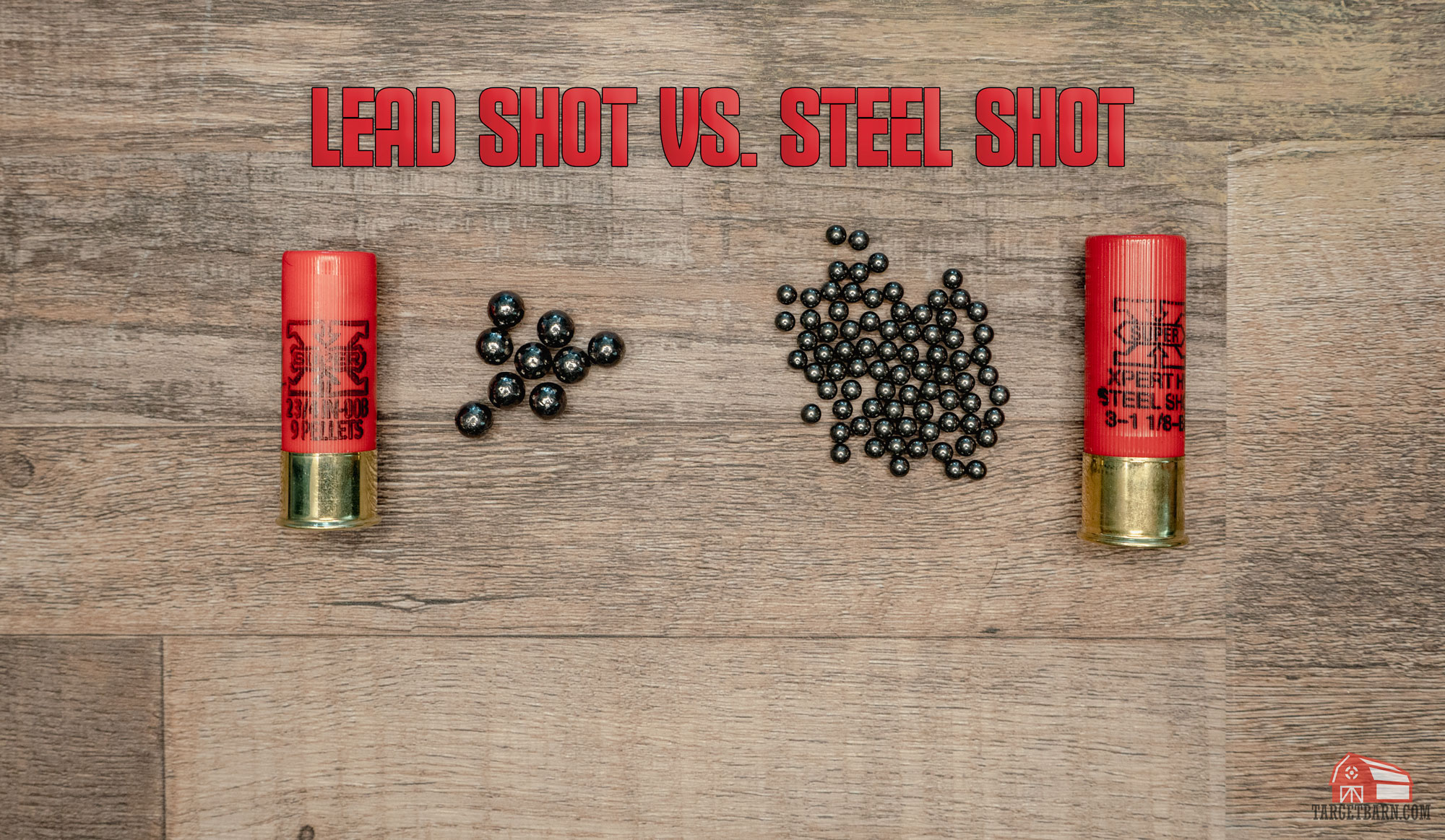
Hey there, friend! Ever wondered about the tiny projectiles zooming out of shotguns and what they're actually made of? Yeah, I'm talking about shot – specifically, the age-old debate of steel shot versus lead shot. Trust me, diving into this isn't as dry as it sounds! It's all about understanding the world around us and making informed choices, which, let's be honest, always feels pretty darn empowering.
So, what’s the deal? Why are we even talking about this? Well, for decades, lead shot was the king. It was dense, relatively inexpensive, and patterned beautifully. But (and this is a big but!), lead is also… well, lead. And it turns out it's not so friendly to the environment. Who knew, right? Okay, lots of people knew, but progress takes time!
The Lead Legacy: A Double-Edged Sword
For a long time, lead was the go-to choice for shotgun shells. Why? Because it was effective. Its high density meant it carried energy well, giving you good range and stopping power. Plus, it deformed upon impact, creating a wider wound channel (which, admittedly, is a bit gruesome to think about, but important for hunting purposes). It also patterned consistently, giving shooters confidence in their aim. Basically, it ticked all the boxes.
Must Read
The problem? Lead is toxic. When waterfowl ingest lead shot (thinking it’s grit or small stones to aid digestion), it can lead to lead poisoning, impacting their health and survival. This, in turn, affects entire ecosystems. And, let's be real, nobody wants to be contributing to environmental harm, especially when there are alternatives. Hence, the rise of steel shot!
Enter Steel: The Eco-Friendly Alternative
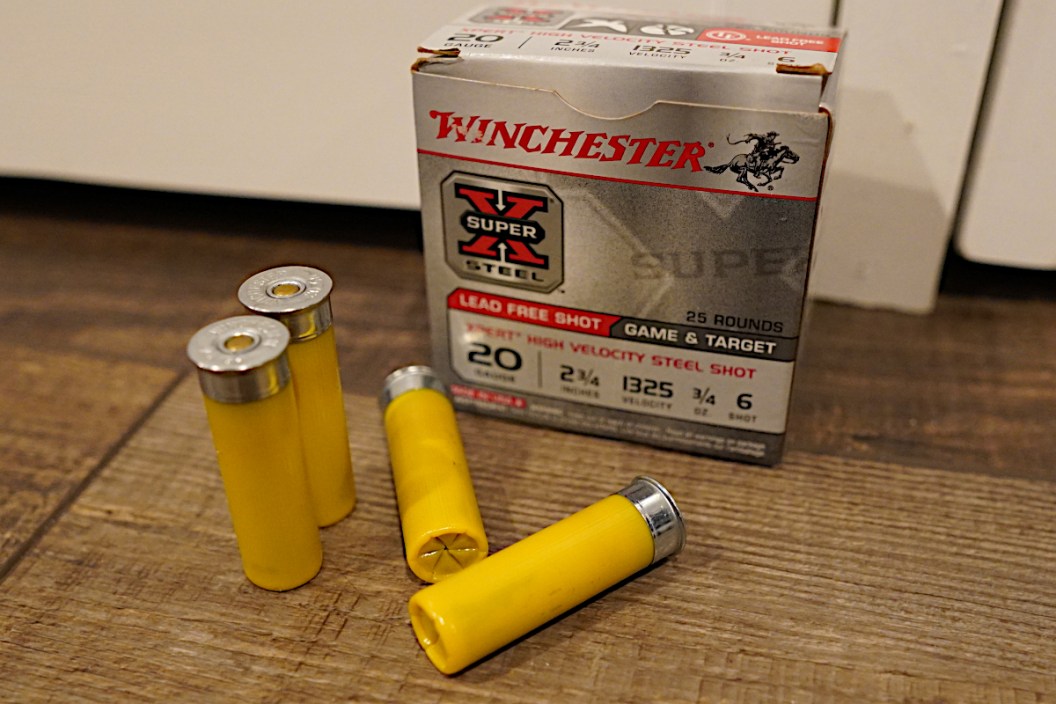
Steel shot arrived on the scene as the greener alternative. Made of iron and a small amount of carbon, it’s significantly less harmful to the environment. If a duck swallows steel shot, it's far less likely to suffer lead poisoning. Sounds like a win-win, right? Well… almost. There are a few things to consider.

First off, steel is less dense than lead. This means it loses energy faster over distance. Think of it like this: imagine throwing a baseball versus throwing a similarly sized beach ball. The baseball (lead) is going to travel further and hit harder. The beach ball (steel) will slow down sooner. To compensate for this, you generally need to use larger-sized steel shot to achieve similar results as lead. More on that later!
Secondly, steel is harder than lead. This means it doesn’t deform as much upon impact. While this can mean less effective energy transfer in some situations, it also means it's less likely to leave lead residue in the meat you're hunting. Every cloud has a silver lining, eh?
The True Statement: Let's Cut to the Chase!
Alright, so after all that, what's the true statement? Here it is, in bold for emphasis: Steel shot is generally less dense than lead shot, requiring shooters to use larger shot sizes to achieve comparable performance.

Boom! There you have it. Everything else we discussed is important context, but that statement encapsulates the core difference. This density difference is why you can't just swap out lead for steel and expect the same results. You need to adjust your shot size and, potentially, your choke (the constriction at the end of your shotgun barrel) to optimize your pattern.
So, What Does This Mean for You?
Well, depending on where you live and what you're hunting, you might be required to use steel shot already. Many hunting regulations now mandate the use of non-toxic shot, like steel, for waterfowl hunting to protect the environment. Even if it's not mandated, choosing steel is a responsible and ethical decision. It's about being a steward of the land and ensuring that future generations can enjoy the same outdoor experiences we do.
Think of it as a fun challenge! Learning about different shot types, understanding ballistics, and fine-tuning your shooting technique to get the most out of steel shot can actually make you a better, more informed shooter. It's all part of the journey. And hey, who doesn't love an excuse to spend more time at the range?
Beyond the Basics: Dive Deeper!
This is just the tip of the iceberg! There's a whole world of information out there about different types of non-toxic shot (like bismuth, tungsten, and Hevi-Shot), choke selection, patterning, and so much more. Don't be afraid to explore! Talk to experienced shooters, read articles, watch videos, and experiment with different loads to find what works best for you and your gun.
The more you know, the more confident and successful you'll be in the field (or at the range!). And remember, choosing steel shot is not just about following regulations; it's about making a conscious choice to protect our environment and preserve our hunting heritage. So, go forth, learn, experiment, and have fun! The world of shotgunning awaits! It's a journey filled with learning, responsibility, and the satisfaction of a well-placed shot, all while doing your part for the planet. Now, isn't that something worth aiming for?
