
Changing Batteries In Smoke Detector

Okay, let me set the scene. It's 2 AM. You're deep, deep in a dream, maybe you're flying, maybe you've just won the lottery, who knows. Suddenly, a tiny, insistent, ear-piercing "chirp!" jolts you awake. You bolt upright, heart pounding. What was that? A ghost? A mouse? Then, after what feels like an eternity (but is probably 30 seconds), it happens again. "Chirp!" Ah, yes. The sweet, sweet song of a smoke detector demanding attention. Your cat, if you have one, is now staring at you with wide, accusing eyes, wondering why you've allowed this sonic assault on its peaceful slumber. Sound familiar? We've all been there, haven't we?
The Midnight Symphony (aka The Annoying Chirp)
That little chirp, as much as it makes you want to throw the offending device out the window (please don't!), is actually a pretty important message. It’s not just being rude; it’s telling you something critical. Specifically, it's screaming (in its own tiny way) that its battery is on its last legs. And while the inconvenience is real, the message itself is about your safety. Kinda makes you feel a little guilty for wanting to smash it, right?
Why the Fuss? Understanding the Chirp Code
Smoke detectors are your home's unsung heroes. They stand guard, day in and day out, ready to warn you and your loved ones if danger (aka smoke and fire) comes knocking. But like any good guard, they need to be powered up. When that power source – usually a 9-volt battery, though some newer ones use AA or AAA – starts to run low, the detector has a built-in mechanism to let you know. That's the chirp! It's its way of saying, "Hey, human! My juice is running out! I can't protect you if I'm dead!"
Must Read
Your Mission, Should You Choose to Accept It: Battery Swap Prep
So, you've decided to tackle the chirper. Good for you! Before you leap into action, let's gather your arsenal. You'll need a fresh battery – check what kind your detector uses before you start. Most commonly, it's a 9-volt, but seriously, verify it. Nothing's worse than climbing a ladder only to realize you have the wrong size. Also, a sturdy step stool or ladder is essential. And maybe, just maybe, a small flathead screwdriver if your particular detector is a bit stubborn about opening up. Pro tip: buy a spare battery before the chirp starts. Your future 2 AM self will thank you profusely.
The Step-by-Step Showdown (It's Easier Than You Think!)
Ready? Let's get this done and restore peace to your domain.
Step 1: Silence the Alarmist (Temporarily)
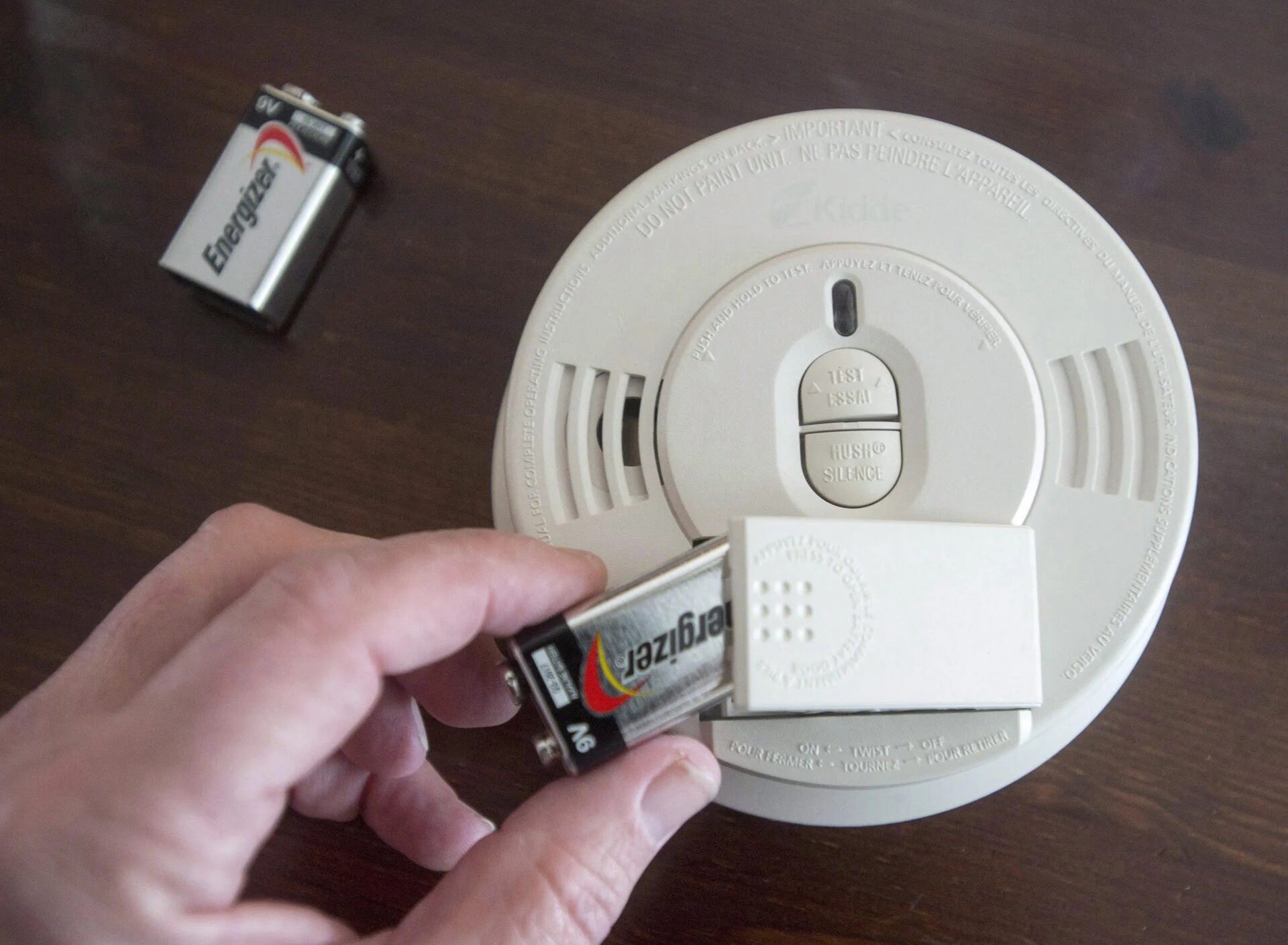
If your detector has a silence button (many do), press it! This usually quiets it for a few minutes, giving you a small window of blessed peace to work without the constant "chirp!" as your soundtrack. It’s like hitting snooze, but for a life-saving device.
Step 2: Ascend to Glory (Safely!)
Grab your ladder or step stool. Position it directly under the smoke detector. Make sure it's stable. We want to change a battery, not visit the ER, right? Carefully climb up so you can comfortably reach the unit.

Step 3: Operation Open Sesame
Most smoke detectors twist counter-clockwise to detach from their mounting bracket. Some might have clips you need to squeeze, or a small latch. Give it a gentle twist or look for arrows indicating "open" and "close." Once it's off the ceiling, you'll usually see a small compartment or cover. This is where your screwdriver might come in handy if there are tiny screws. More often, it's just a slide-and-open mechanism. Be gentle!
Step 4: The Great Battery Exchange
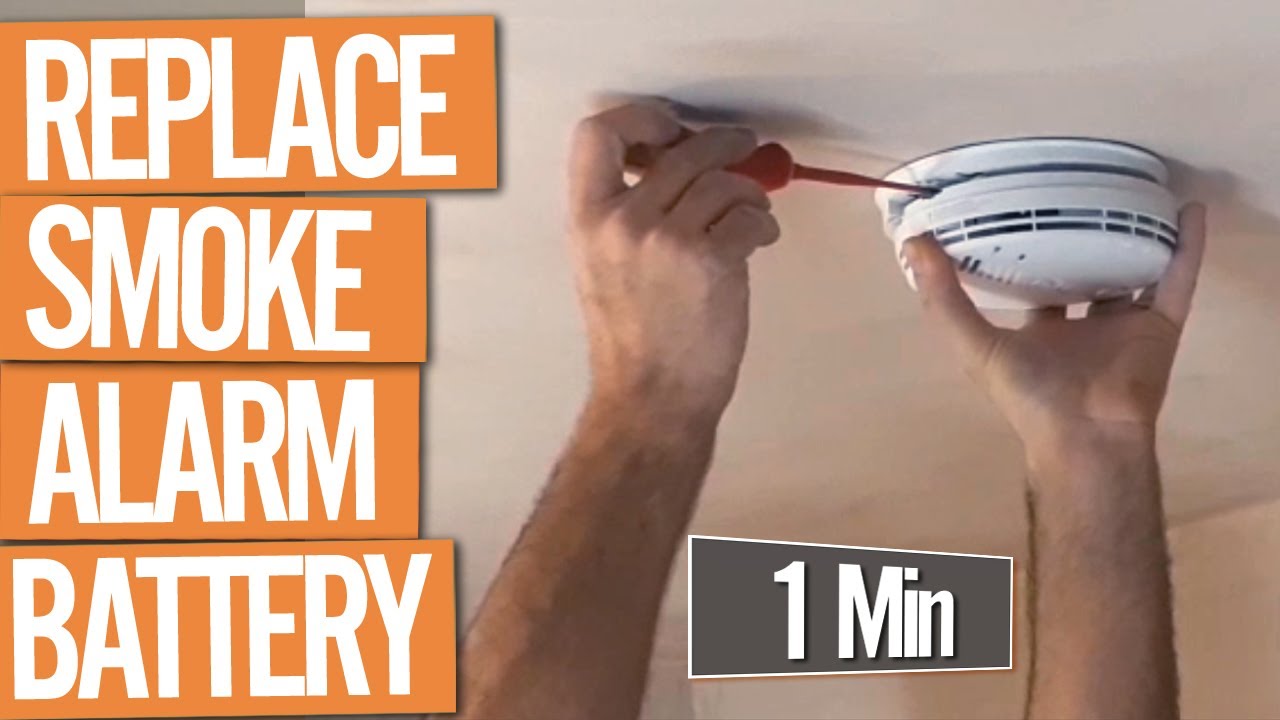
Inside, you'll spot the old battery. Disconnect it – usually, it's just a snap connector. Note which way the positive (+) and negative (-) terminals are oriented. This is important! Pop in your fresh, new battery, making sure it's connected correctly. You might hear a quick "beep" or "chirp" when the new battery goes in. That's good! It means it's got power!
Step 5: The Moment of Truth – Test It!
Before you put everything back together, find the "Test" button on the detector. Press and hold it for a few seconds. It should emit a loud, piercing alarm. This is its full-power "I'm working!" scream. It's loud, it's annoying, but it's vital. If it screams, you're golden. If it just meekly beeps, double-check your battery connection.

Step 6: Secure and Descend
Close the battery compartment, reattach the detector to its mounting bracket (usually a clockwise twist until it clicks into place), and carefully descend your ladder. You've done it!
Beyond the Chirp: When and How Often?
While the chirp is your primary cue, you shouldn't wait for it. Experts recommend changing smoke detector batteries at least once a year. A popular reminder is to do it when you change your clocks for Daylight Saving Time (spring forward/fall back). Make it a habit! Also, remember that smoke detectors themselves don't last forever. They have a lifespan, typically around 10 years. After a decade, the sensor can become less reliable, so plan to replace the entire unit. Seriously, mark it on your calendar!
So, there you have it. The secret to silencing that nagging little guardian. It's a small task, but one that provides immense peace of mind. Now, go forth, change those batteries, and enjoy your blissful, chirp-free sleep. You've earned it!