Changed Battery In Smoke Alarm Still Beeping

Ever had that heart-stopping, ear-splitting beep from your smoke alarm in the middle of the night? Of course you have! It’s practically a rite of passage for homeowners. So you leap out of bed, fumble for a new battery, perform the swap, and then… still beeping! It’s enough to make you wonder if your smoke alarm is just having a laugh at your expense. But fear not, intrepid home-dweller, for this seemingly maddening mystery is actually a fascinating little quirk of household electronics, and understanding it can save you a lot of headache (and sleep).
The primary purpose of a smoke alarm is, quite obviously, to save lives by alerting us to the presence of smoke or fire. It’s a vital sentinel in our homes, and its beeps are usually a warning we should take seriously. When it beeps continuously even after a battery change, however, it’s often not the battery itself that’s still the problem. The benefit of understanding this phenomenon is twofold: peace of mind (knowing you’re not dealing with a real emergency when it’s just a glitch) and empowerment (being able to troubleshoot and solve a common household issue yourself, rather than resorting to desperate measures or calling an expensive professional).
So, why does this happen? In many cases, the most common culprit is a lingering charge within the smoke alarm's capacitors. Think of it like a computer needing a full reboot. Even after you pull the plug (or the battery), some devices retain a small amount of power that keeps their internal memory or low-battery warning system active. This isn't just a fun fact; it's a practical lesson in basic electronics. In daily life, understanding this translates into a more methodical approach to troubleshooting. Instead of just replacing a part, we learn to consider the device's "brain" and how it might need to be reset. It’s like a miniature science experiment in your hallway!
Must Read
The good news is, there's a simple, often magical solution: the hard reset. This is your first line of defense against the phantom beep. Here’s how you can explore it next time you’re faced with the incessant chirp:
- First, carefully remove the smoke alarm from its mounting bracket.
- Take out the new battery you just inserted.
- With the battery removed, press and hold the "test" button on the smoke alarm for about 15-20 seconds. This drains any residual power from the capacitors, effectively clearing its memory.
- Reinsert the battery (making sure it’s fresh and correctly oriented!).
- Remount the smoke alarm.
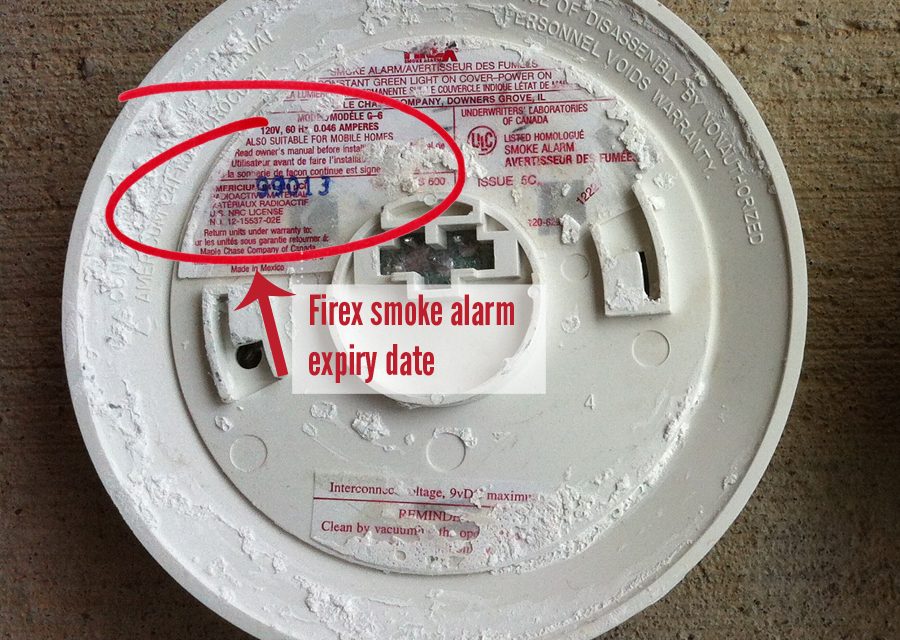
But what if it’s still beeping after the hard reset? Don't despair! There are a few other quick checks. First, double-check the battery orientation; it’s an easy mistake to make, even for the most seasoned DIYer. Second, look for an expiration date on the back of the unit. Smoke alarms typically have a lifespan of about 10 years, and a persistent beep, even with a fresh battery, can sometimes be its "time to retire" signal. Third, gently clean around the sensor with a soft brush or a vacuum cleaner attachment; dust or insects can sometimes trigger false alarms. If all else fails, and your alarm is nearing or past its expiration date, it might simply be time for a full replacement. Exploring these simple steps not only solves an immediate problem but also builds confidence in tackling other minor household conundrums. So, next time your smoke alarm starts its cryptic communication, you'll be armed not just with a new battery, but with knowledge and a curious spirit!