Central Air Conditioning Unit Ratings
Alright, folks, let's talk about something near and dear to our hearts, especially when the mercury starts climbing faster than a squirrel up a tree: our central air conditioning units. You know that glorious moment when you flick the switch on the thermostat, and that first wave of cool air hits you? Pure bliss, right? It’s like a tiny, personal arctic blast saving you from turning into a human puddle on the couch.
But sometimes, after that initial wave of relief, a little voice in the back of your head pipes up: "Is this thing really doing its best? Am I paying an arm and a leg for this frosty comfort?" That's where those mysterious-sounding AC ratings come into play. Don't worry, we're not diving into rocket science here. Think of it more like understanding the nutritional label on your favorite snack – it tells you what you're getting, in terms of energy, but for your home's cool factor.
SEER: The Marathon Runner of Cool
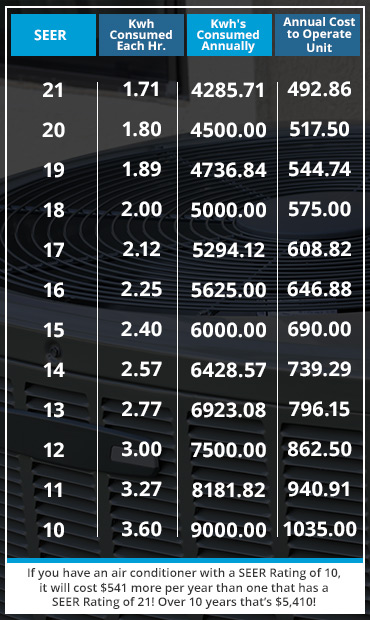
First up, we have SEER. This stands for Seasonal Energy Efficiency Ratio. Catchy, right? Imagine your car's gas mileage. A car with a higher MPG uses less fuel to go the same distance. SEER is basically the AC equivalent. A higher SEER number means your unit is more efficient over an entire cooling season. It's like the tortoise in the race – slow and steady, saving you money over the long haul.
Must Read
My old unit? Bless its noisy heart, it probably had a SEER rating that was considered "efficient" back when disco was king. It sounded like a small tractor convention trying to squeeze into my attic, and my electric bill often looked like a ransom note. Upgrading to a higher SEER unit felt like trading in a clunker for a hybrid – suddenly, the wallet felt a little fatter, and the house felt a lot cooler, without the industrial soundtrack.
Recently, you might have heard of SEER2. Don't panic! It's not a whole new language. Think of it as SEER's slightly stricter, more modern cousin. The testing methods for SEER2 are a bit tougher, trying to mimic real-world conditions even better. So, a 16 SEER2 unit isn't exactly the same as an old 16 SEER unit; the SEER2 unit is likely to be a bit more efficient under those new, tougher standards. It's like getting a new standardized test that's a little harder, but ultimately gives you a more accurate score.

EER: The Sprinter for Instant Cool
Now, let's talk about EER: Energy Efficiency Ratio. While SEER is thinking about the whole summer, EER is all about those blazing hot peak moments. It measures efficiency at a specific, high-temperature condition (usually 95°F outside). Think of it as the sprinter. It tells you how efficient your unit is when it's really pushing hard, like on those suffocating August afternoons when you could fry an egg on the sidewalk.
If you live in a place where "hot" means "melt-your-face-off" for weeks on end, and your AC is practically running non-stop, a good EER rating becomes super important. It's when you really need that instant, powerful cool without your meter spinning like a helicopter propeller. A high EER means your unit handles extreme heat like a champ, efficiently.
HSPF: For the Heat Pump Crew
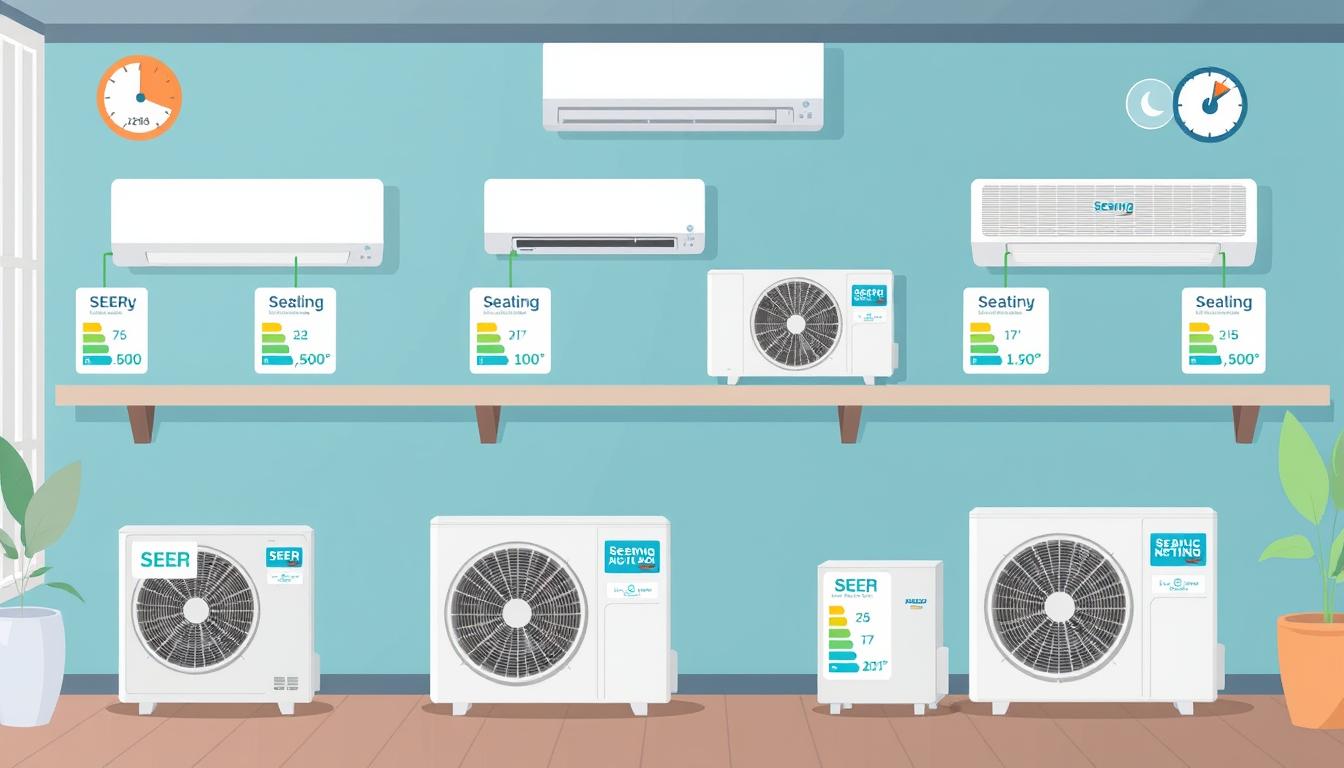
And for those of you whose AC unit pulls double duty as a heater (you're probably rocking a heat pump!), there's one more to know: HSPF. This is the Heating Seasonal Performance Factor. You guessed it – it's basically the SEER of heating. It tells you how efficiently your heat pump warms your home over an entire heating season. So if your unit works year-round, you’ve got two efficiency numbers to keep an eye on!
Why Should You Care About These Alphabet Soups?
Okay, so why bother with these numbers? Because they translate directly into a few very important things:
- Your Electric Bill: The higher the efficiency rating, the less electricity your unit chomps through. This means more money stays in your wallet for important things, like ice cream, or more ice cream.
- Your Comfort: A more efficient unit often means more consistent cooling, less humidity, and generally a more pleasant indoor environment. No more stepping into a sauna every time you come home!
- The Planet: Less energy consumption means a smaller carbon footprint. You get to be cool and feel good about it.
- Resale Value: A modern, high-efficiency AC unit can be a huge selling point if you ever decide to move. Future homeowners will thank you for not inheriting a prehistoric power hog.
So, next time you're thinking about your AC, or maybe it's time for an upgrade, don't let these ratings intimidate you. They're just friendly guides helping you pick the best, most efficient cool for your castle. Asking your HVAC technician about SEER, SEER2, and EER will show you're an informed consumer, ready to conquer the summer heat like a pro. Now, go forth and be cool, my friends!