Cell Stem Cell Impact Factor 2024

Okay, let's talk science! Specifically, let's unravel something called the Impact Factor, and how it applies to a super cool journal called Cell Stem Cell. Now, you might be thinking, "Science journals? Impact factors? Sounds boring!" But trust me, it's actually quite interesting, and even useful to know a little about, even if you're not a scientist yourself.
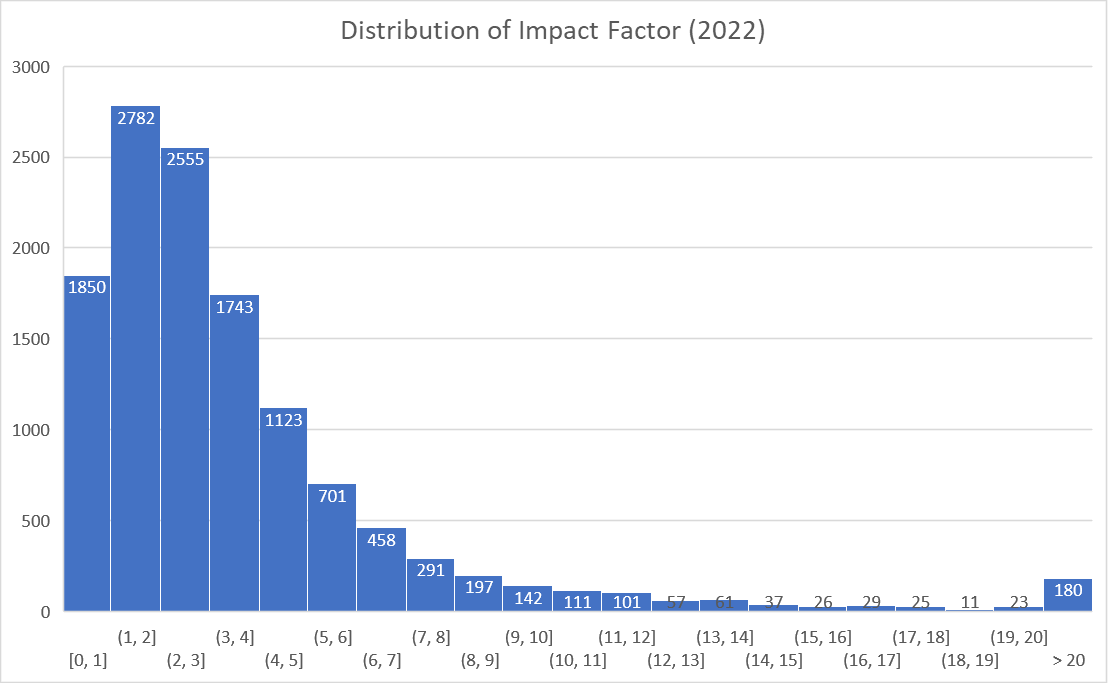
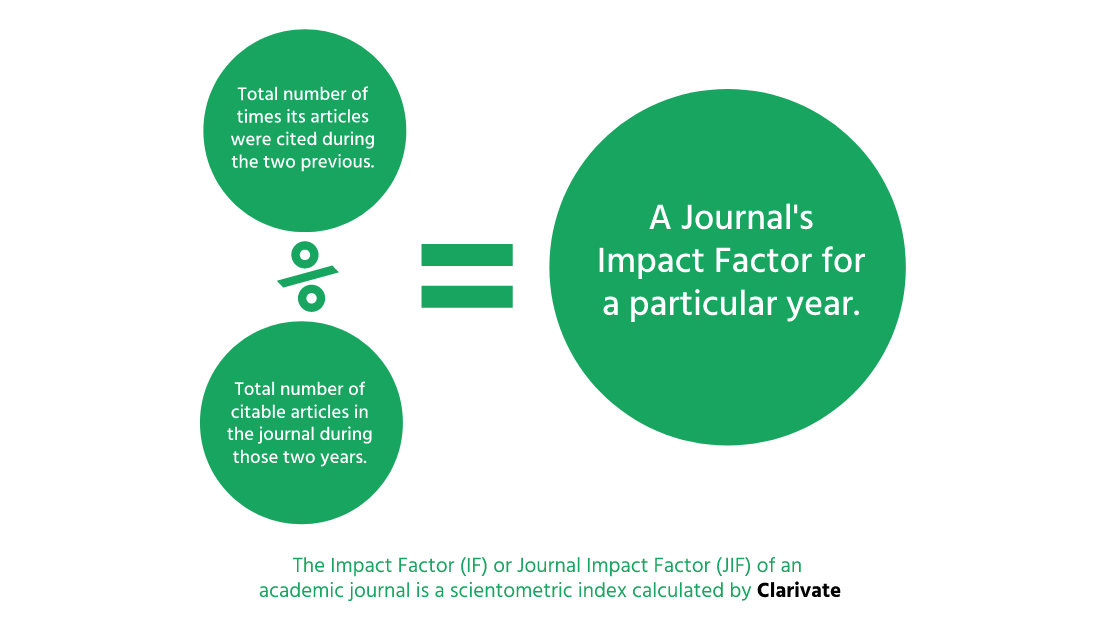
Think of it like this: imagine you're trying to figure out which movie review website to trust. You'd probably go for the one that everyone else is reading and quoting, right? The Impact Factor is kind of like that for scientific journals. It's a measure of how often articles from a particular journal are cited by other researchers. So, a higher Impact Factor generally means the journal is considered more influential and its articles are more widely read and used by the scientific community. It's a quick and dirty way to gauge the journal's importance in its field. For a journal like Cell Stem Cell, which focuses on the fascinating world of stem cells, knowing its Impact Factor helps scientists, students, and even people interested in medical advancements understand where groundbreaking research is being published.
So, who cares about this Impact Factor, and why? Well, if you're a scientist, especially in the field of stem cell research, knowing the Impact Factor of Cell Stem Cell helps you decide where to submit your research papers. You want to publish in a journal that will give your work the most visibility and impact. For students learning about stem cells, knowing the journal's Impact Factor gives you a clue about the credibility and importance of the research you are reading. Even for families who are following developments in stem cell therapies for diseases, understanding that a particular study was published in a high-Impact journal like Cell Stem Cell can give you more confidence in the findings.
Must Read
Now, what about the Cell Stem Cell Impact Factor for 2024? It's important to remember that the 2024 Impact Factor is usually released in 2025 because it reflects citations made in 2024 to articles published in the previous two years (2022 and 2023). So, keep an eye out for it next year! Typically, journals like Cell Stem Cell have a high Impact Factor because stem cell research is a hot topic with lots of cutting-edge advancements. It's the kind of journal where you'll find research on things like using stem cells to grow new organs, treat genetic diseases, and understand how development works. There are other excellent journals in the field too, like Nature Cell Biology or Developmental Cell, each with their own Impact Factors.
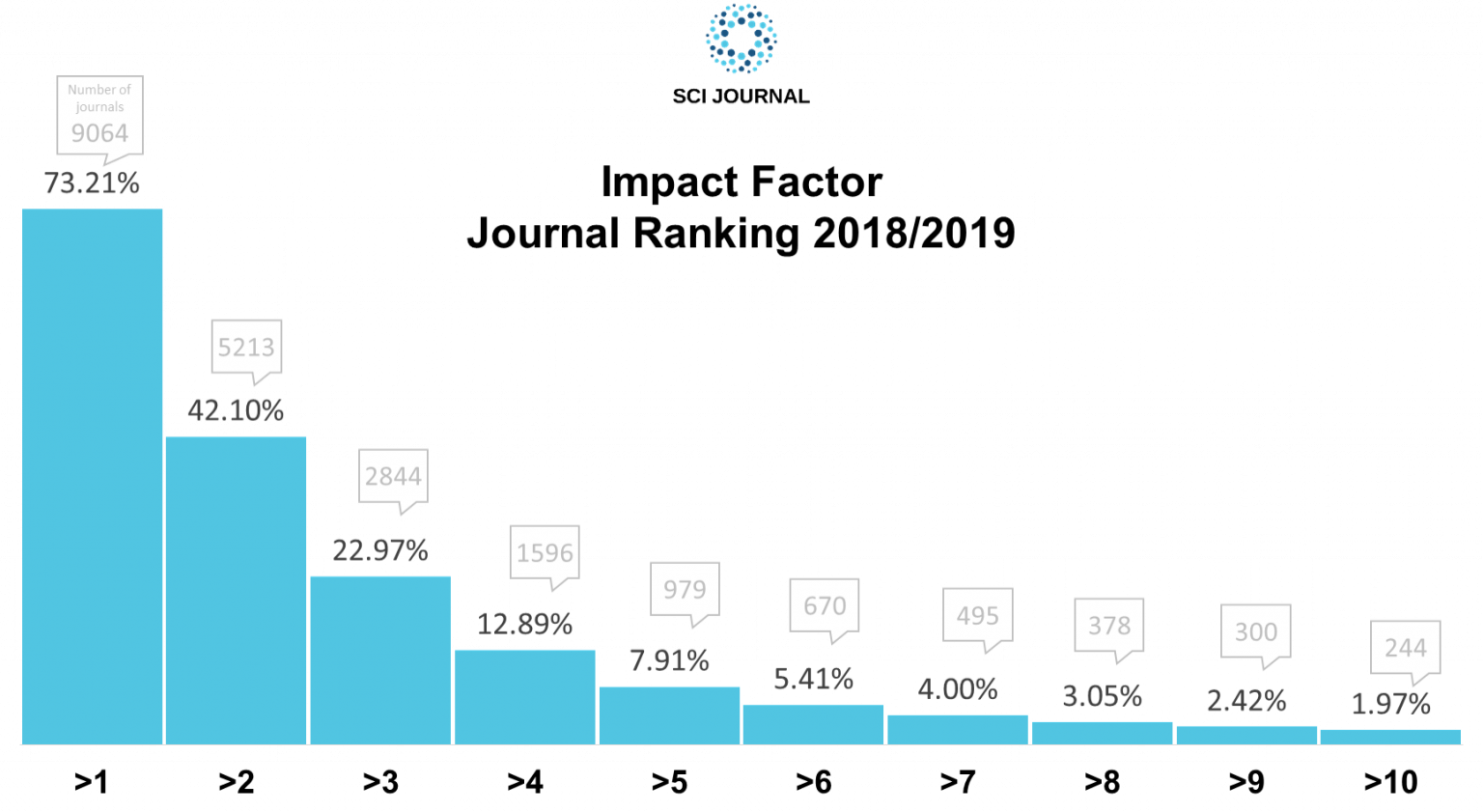
Interested in learning more about stem cells or journal Impact Factors? Here are a few practical tips: Start by reading reputable science news websites or journals' summaries of recent publications. Look for articles discussing the latest stem cell research published in high-impact journals like Cell Stem Cell. You could also explore introductory books or online courses on stem cell biology. For understanding Impact Factors, search online for resources explaining how they are calculated and what they mean. Don't get bogged down in the numbers; focus on understanding the overall picture.
Ultimately, understanding a little bit about the Cell Stem Cell Impact Factor isn't about becoming a science whiz overnight. It's about being able to better understand and appreciate the groundbreaking research happening in stem cell science and its potential to change lives. It's a peek behind the curtain of scientific publishing, and hopefully, it makes you feel more connected to the exciting discoveries being made every day.