Carolyn Bryant Donham Wikipedia

Okay, let's talk about something... touchy. You know, that thing we’re not supposed to talk about at parties? But hey, this is the internet. We're practically anonymous here, right? So, let's gently tiptoe around the Carolyn Bryant Donham Wikipedia page.
The Wikipedia Rabbit Hole
Seriously, have you ever just casually glanced at a Wikipedia page? Next thing you know, three hours have vanished, you're an expert on the mating habits of Bolivian tree frogs, and you've forgotten what you originally Googled. The Carolyn Bryant Donham page? It’s a black hole in the space-time continuum. You go in looking for a quick fact and emerge... well, changed. Maybe slightly more cynical. Definitely craving chocolate.
I mean, it's Wikipedia. It's supposed to be neutral. It's supposed to just present the facts. But let's be real, some topics just sizzle with unspoken opinions. You can practically feel the collective weight of every edit war that's ever happened on that page. It's like looking at a historical document written in angry invisible ink.
Must Read
Unpopular Opinion Time!
Here’s my potentially scorching hot take: Wikipedia is only as good as its editors. And sometimes, those editors… well, they're human. They have biases. They have agendas. They might have accidentally spilled coffee on their keyboard and mis-typed a crucial detail! We've all been there.
And let's face it, the Emmett Till case, in which Carolyn Bryant Donham played a significant role, is NOT a story where everyone agrees on the "facts." It’s messy. It's painful. It's a historical wound that still hasn't fully healed. So expecting Wikipedia to perfectly capture the nuance and complexity of that situation? Maybe a tad optimistic.
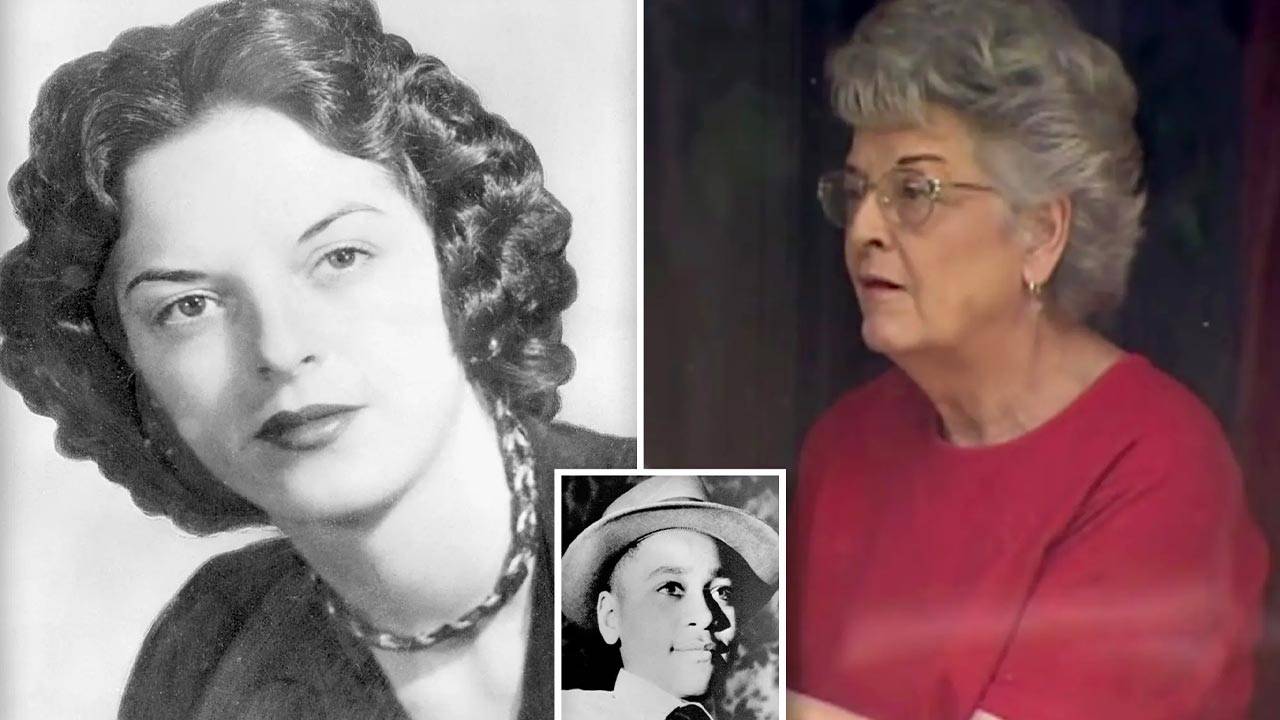
I'm not saying Wikipedia is wrong, mind you. I'm just saying... read with a grain of salt. A big, honking, Himalayan pink salt crystal.
Source-ception!
And speaking of sources... Have you ever chased down a Wikipedia citation? It's like a detective movie! You click the link, which leads you to another article, which references a book, which quotes a historical document, which is based on someone's second-hand memory of what someone else said! It's source-ception!
It makes you wonder, doesn’t it? How much of what we think we know is actually just a carefully constructed narrative built on layers of assumptions and interpretations? Existential crisis alert!
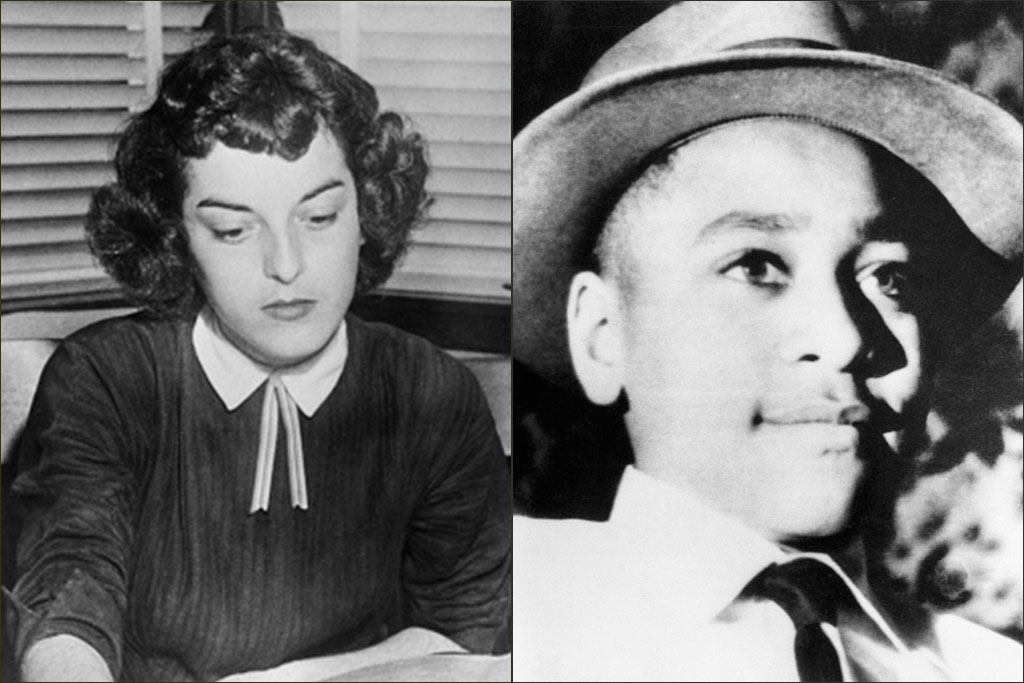
Plus, let's be honest, people argue about interpretations. About the significance of certain events. About motivations. The Carolyn Bryant Donham story is a prime example. Some people will paint her as a victim of circumstance. Others will see her as something else entirely.
The Internet Never Forgets (Even If It Should)
And that’s the thing about the internet, isn’t it? It never forgets. Everything is archived. Every edit. Every comment. Every angry blog post written at 3 AM after too much caffeine. So the Carolyn Bryant Donham Wikipedia page, like so many others, becomes a living document, constantly evolving, reflecting our ongoing struggle to understand the past.

It's a monument to the messiness of history. To the fact that sometimes, there are no easy answers. Just shades of gray. Really, really dark shades of gray.
So next time you find yourself staring at that particular Wikipedia page, take a deep breath. Remember that you're not just looking at information. You're looking at a battleground of opinions. A testament to the enduring power of story. And maybe, just maybe, a reminder that sometimes, the best thing to do is step away from the screen and go for a walk. Or eat that chocolate. Definitely eat the chocolate.
After all, even Wikipedia can't give you a sugar rush.