Carbon Monoxide Vs Carbon Dioxide Poisoning
Alright, let's have a little chat about air, specifically two invisible guests that sometimes crash our party, Carbon Monoxide (CO) and Carbon Dioxide (CO2). Now, before you start picturing a chemistry lesson, think of this as a friendly heads-up from your favorite neighbor. These two sound similar, right? Like cousins at a family reunion, but let me tell you, their personalities are as different as a quiet library and a rock concert. And knowing the difference can be, well, life-saving. So, pull up a comfy chair, maybe grab a cuppa, and let's unravel this little mystery.
Meet Carbon Monoxide: The Sneaky Silent Type
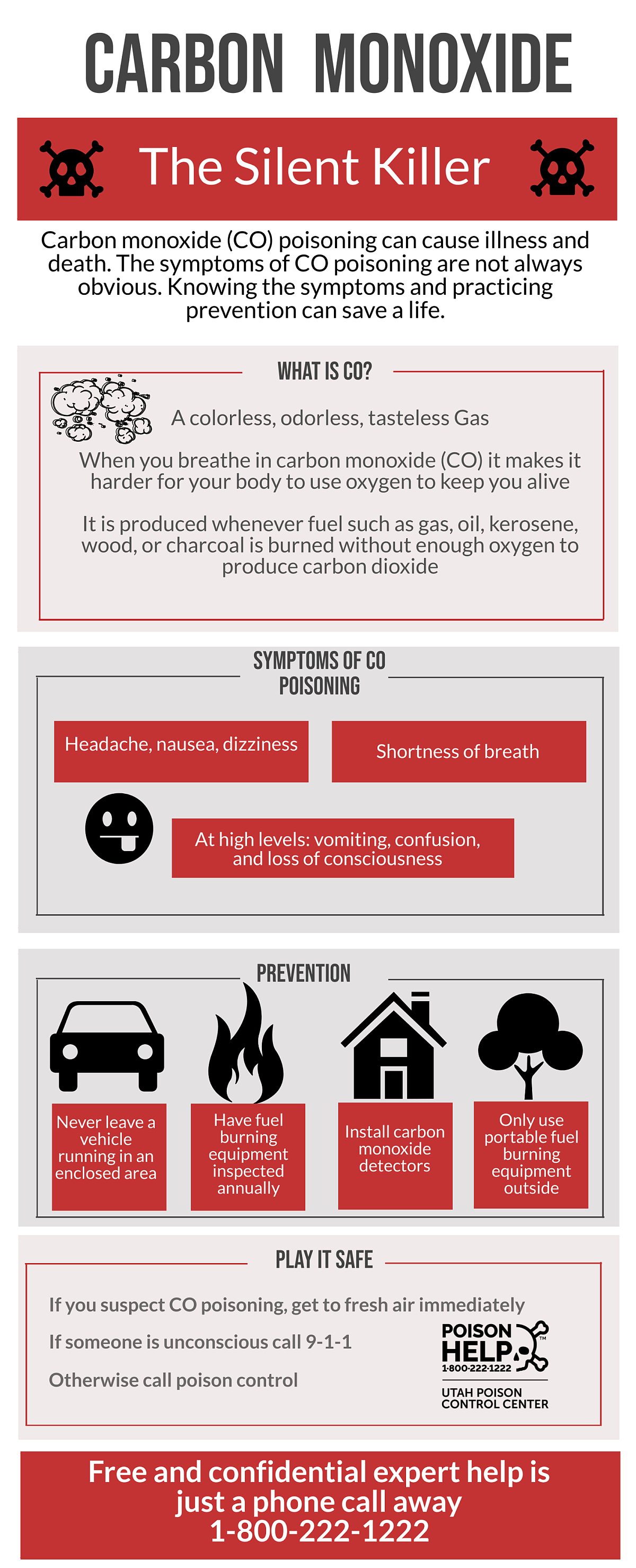
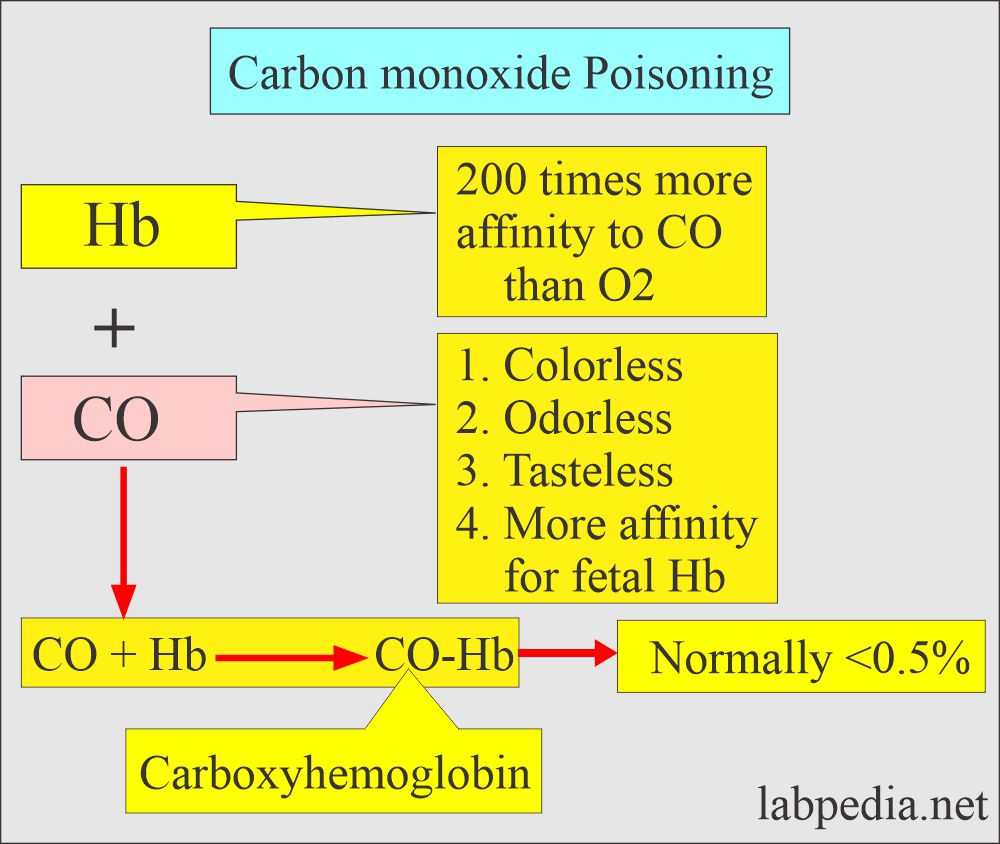
Imagine you're watching a suspense movie. There's a villain, but they're not a loud, boisterous type. Oh no, this one is the master of disguise, the quiet, almost undetectable menace who slips in without a sound or a scent. That, my friends, is Carbon Monoxide, or CO for short. It's truly a nasty piece of work because you can't see it, you can't smell it, and you can't taste it. It's like a ninja, but instead of stealing your valuables, it tries to steal your oxygen.
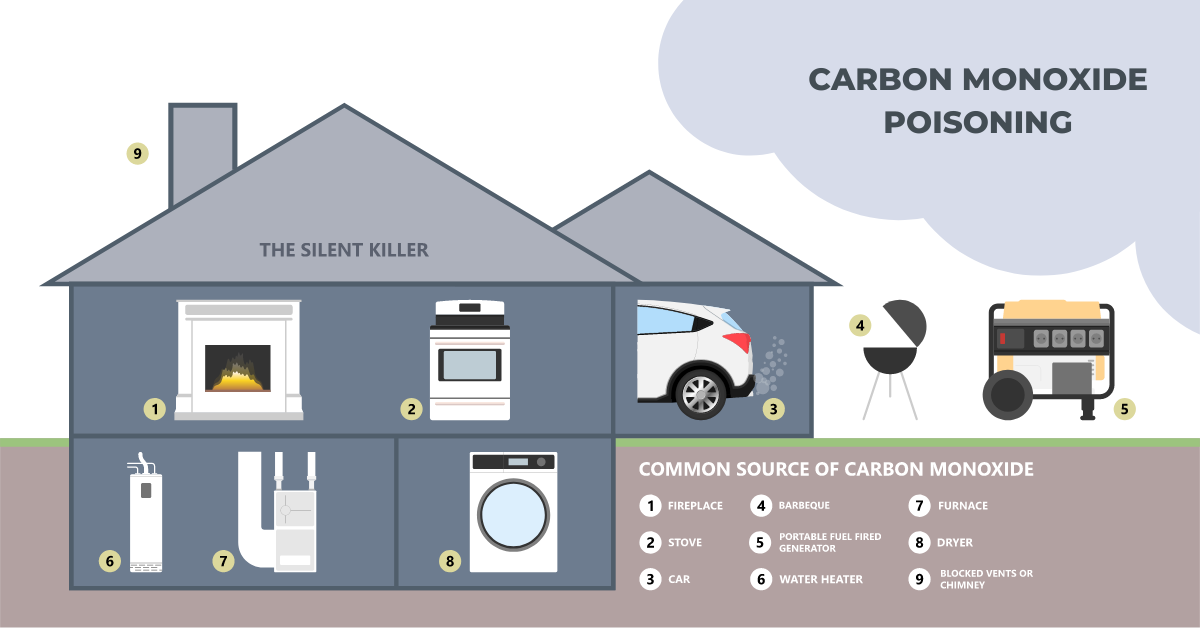
So, where does this sneaky character come from? Usually, it's a byproduct of things that burn fuel but don't quite finish the job. Think of a car running in a closed garage – big no-no! Or a leaky furnace trying its best but struggling, a gas stove burner with a weird flame, a grill being used indoors (please don't!), or even a portable generator too close to the house. It's all about incomplete combustion.
Must Read
Here's the scary part: when CO gets into your lungs, it's like a super-strong magnet that finds your red blood cells. Our red blood cells usually love carrying oxygen around our bodies, like little delivery trucks. But CO? It's like a super-aggressive bully that shoves oxygen out of the way and latches on 200 times stronger. So, your blood cells end up carting around useless CO instead of life-giving oxygen. Your body slowly starves for oxygen, even if there's plenty of it in the air.
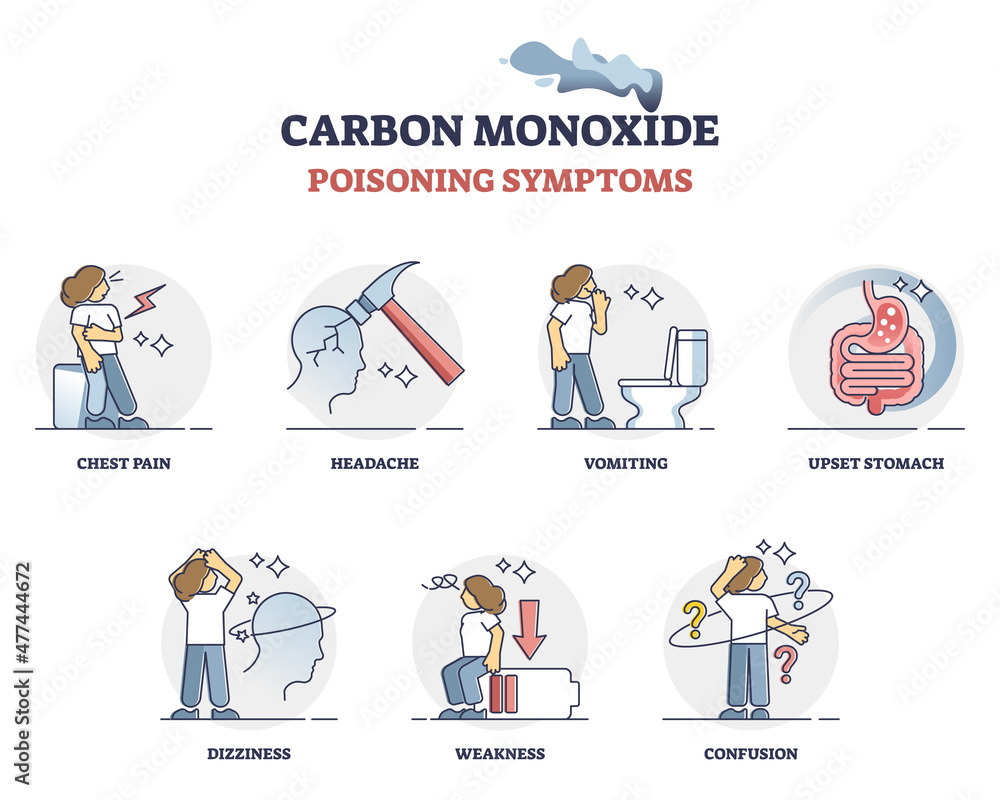
The symptoms? Often, they start out feeling a lot like a bad flu or a truly terrible hangover: a headache that won't quit, dizziness, a bit of nausea, and just feeling generally confused or weak. Because it's so insidious, many people just lie down, thinking they need rest, which only makes things worse. That's why CO detectors are absolute superheroes. They're like your home's personal bodyguard, ready to scream a warning when that invisible villain tries to sneak in.
Now, Carbon Dioxide: The Overwhelming Party Crasher
Alright, let's switch gears to Carbon Dioxide, or CO2. This one isn't a ninja; it's more like that well-meaning but slightly overwhelming guest who shows up to your cozy party and just takes up all the space. CO2 is actually a natural part of our world. We breathe it out with every single breath! Plants love it; they gobble it up like candy. It's what gives soda its fizz and powers some fire extinguishers. So, it's not inherently evil like CO.
The danger with CO2 comes when there's just too much of it in a small, enclosed space without good ventilation. Imagine everyone at that party breathing out CO2, and no one bothers to open a window. Eventually, the room starts filling up with CO2, literally pushing out the oxygen. It’s not actively poisoning you in the same way CO does; it's simply displacing the air you need to breathe. Think of it like a giant, invisible blanket smothering the room.
You might find CO2 accumulating in places like fermentation vats (think breweries or wineries – fascinating, but dangerous!), deep wells, or sometimes even in incredibly packed auditoriums if the ventilation system isn't up to snuff. If you've ever felt a bit woozy or sleepy in a really crowded, stuffy room, you might have been experiencing a mild dose of elevated CO2.
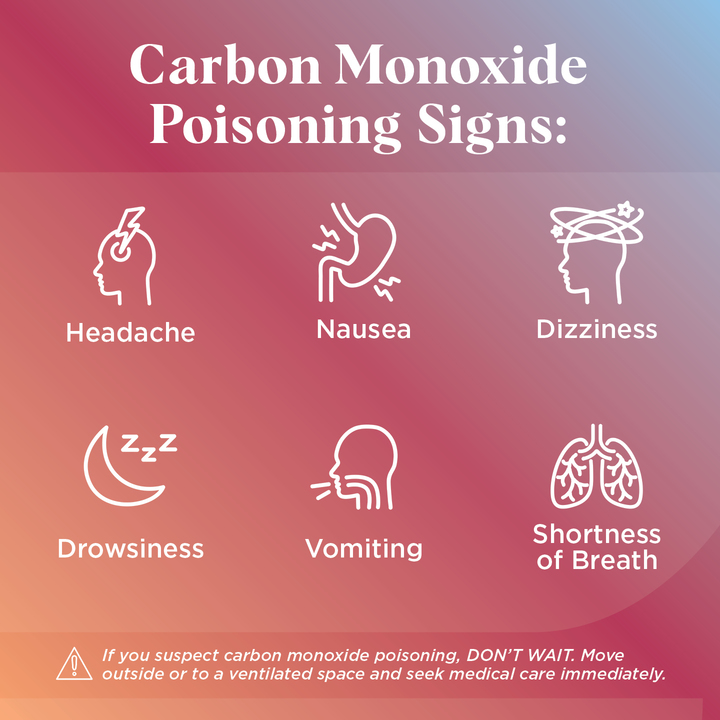
Symptoms of CO2 exposure can include rapid breathing (your body desperately trying to get oxygen), confusion, headache, and feeling super drowsy. It can feel like you've run a marathon just standing still, as your lungs work overtime. The fix? Usually, it's as simple as getting some fresh air. Open a window, step outside, and let the great outdoors do its job. For really high concentrations, especially in industrial settings, specialized ventilation and safety protocols are absolutely critical.
Why Should We Care (Beyond the "Oh My Goodness" Factor)?
So, why all this talk about invisible gases and party crashers? Because your home is your castle, your sanctuary, and knowing about these two characters means you can keep it safe and sound. It's not about being paranoid; it's about being smart and prepared.
For CO: Get a Carbon Monoxide detector (or several!). Treat it like you treat your smoke detector – check the batteries regularly! Make sure your fuel-burning appliances (furnace, water heater, gas stove) are inspected annually by a qualified professional. Never, ever use grills or generators indoors or in partially enclosed spaces. It’s like putting a little safety net under your everyday life.
For CO2: Keep an eye on ventilation, especially in smaller, enclosed spaces or when many people are gathered. If a room feels stuffy, open a window or step outside for a breath of fresh air. And if you're ever around industrial settings or deep wells, always respect safety signage and protocols. It’s simply being a good host to your own air supply!
See? No need for a chemistry degree! Just a little bit of everyday wisdom. Understanding the difference between the sneaky Carbon Monoxide and the overwhelming Carbon Dioxide helps us all breathe a little easier, knowing we've taken simple steps to protect ourselves and our loved ones. Stay safe, stay aware, and keep those windows open when you need to!