Ever hear about something that's incredibly important but often flies under the radar? We're talking about a sneaky danger in our homes, one that can arrive through something as comforting as your air conditioner. Yes, you read that right! We’re diving into the surprising link between your AC and carbon monoxide poisoning. It's a story that truly grabs your attention, because it reveals a hidden risk right where we least expect it.
First, let's talk about carbon monoxide, often called the "silent killer." What makes it so incredibly dangerous? Well, it's invisible. You can't see it, you can't smell it, and you can't taste it. It's completely odorless and colorless. This unique invisibility is what makes it such a tricky opponent. You won't know it's there until it might be too late. That's a pretty startling thought, isn't it?
The AC Connection: How CO Can Sneak In
Now, how does your air conditioner fit into this picture? Most people think of CO poisoning mainly with furnaces or cars. But your AC, designed to keep you cool, can inadvertently become a pathway for this hazardous gas. It’s not that the AC unit itself produces carbon monoxide. That’s a common misconception. Instead, it’s about how your AC system interacts with other fuel-burning appliances in your home, especially during a malfunction.
Think about it: many homes have a furnace or water heater that shares a vent or flue with the air conditioning system. If there's a crack or blockage in that shared venting, dangerous carbon monoxide fumes from the furnace can back up. Instead of going safely outside, these fumes can get drawn into your home's ductwork. And guess what uses that same ductwork to circulate air? Your air conditioner! So, as your AC blows cool air, it could unknowingly be pushing CO right into your living space. It’s an unexpected twist, making this particular hazard uniquely challenging to pinpoint.
"It's not the AC making the CO, but how faulty venting or outdoor placement can turn your comfort system into a delivery method for danger."
Carbon monoxide poisoning symptoms from oil burning - ferypirate
Another surprising scenario involves outdoor units. Imagine a power outage, and you're running a portable generator for electricity. Generators produce a lot of carbon monoxide. If that generator is placed too close to an open window, a door, or even your outdoor AC unit's air intake, the exhaust fumes can be pulled into your home. Your AC unit, doing its job, literally sucks in the dangerous gas and spreads it throughout your house.
Recognizing the Warning Signs
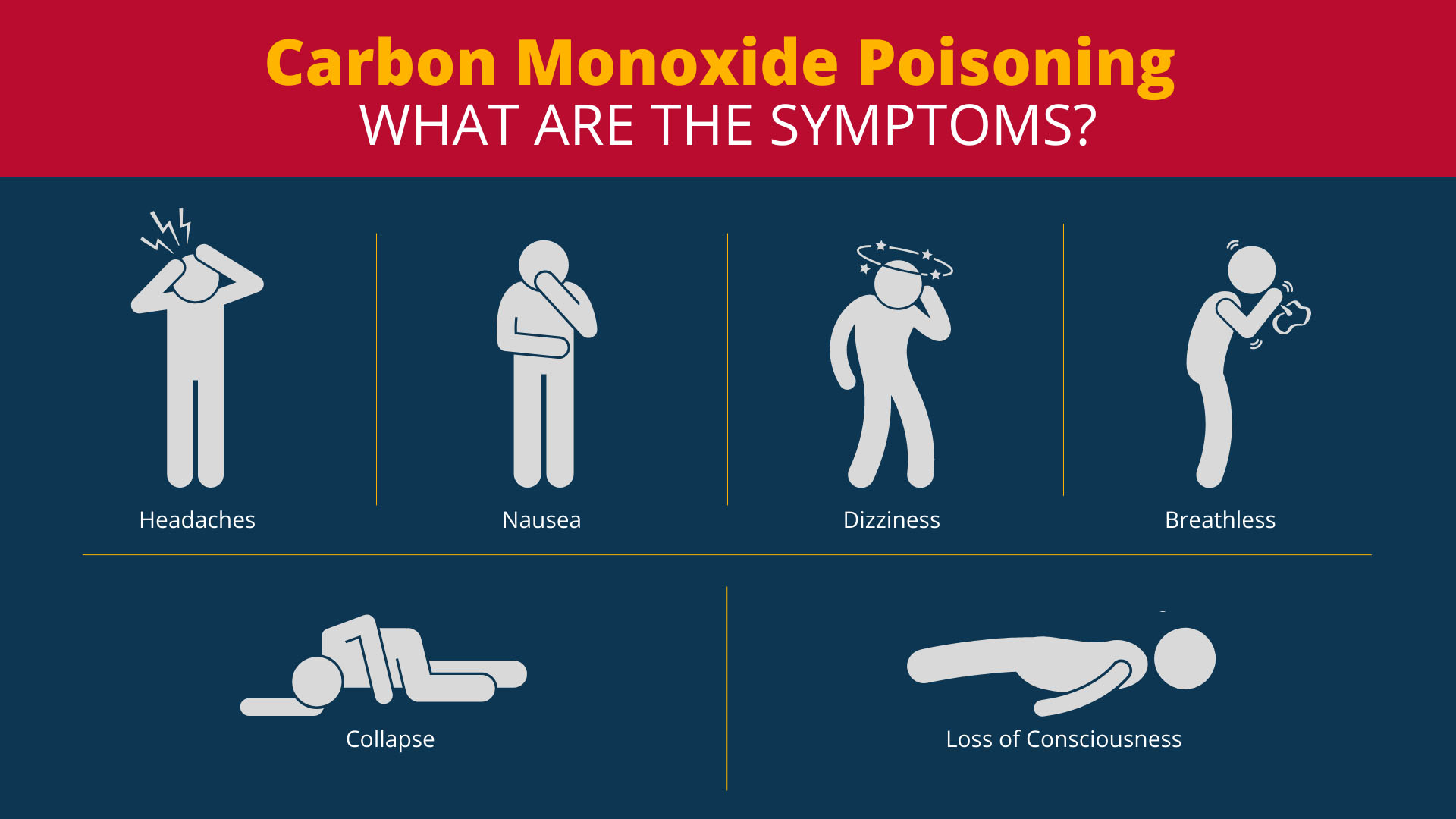
The symptoms of carbon monoxide poisoning can be very subtle and often mimic common illnesses like the flu. This is another reason it’s so alarming. You might feel a headache, dizziness, nausea, or general fatigue. Other signs include weakness, confusion, or a feeling of being unusually sleepy. Because these symptoms are so vague, people often don't realize they're experiencing something serious until their health rapidly declines. Sometimes, pets in the home might show symptoms before humans do, acting lethargic or unwell.
What You Can Do: Stay Safe!
Understanding this hidden threat is the first step. Now, let’s talk about how you can protect yourself and your family. This is the crucial part, and it's something everyone should take the time to check out in their own homes!
Carbon monoxide poisoning
1. Install Carbon Monoxide Detectors: This is non-negotiable. Treat them like smoke detectors. You should have at least one on every level of your home, especially near sleeping areas. Make sure they are working by testing them regularly. Many even come with a digital display showing CO levels. This small device is your best friend against the silent killer.
2. Schedule Regular Maintenance: Have your furnace, water heater, and AC system professionally inspected every year. A technician can spot potential problems with venting, heat exchangers, or flues before they become dangerous. This routine check-up is incredibly valuable.
3. Use Generators Safely: If you use a portable generator, always place it outdoors, at least 20 feet away from any windows, doors, or vents that could allow exhaust fumes to enter your home. Never run a generator in a garage, even if the door is open.
4. Be Mindful of Gas Appliances: Ensure all gas-fueled appliances in your home are properly installed and vented according to manufacturer instructions and local codes.
The link between your AC and carbon monoxide might seem surprising, but knowing about it is incredibly empowering. It's a critical piece of information that can literally save lives. By taking a few simple steps, like installing detectors and getting regular check-ups, you can ensure your home remains a safe and comfortable sanctuary. Don't wait; check your detectors and systems today!