
Carbon Monoxide In Car While Driving Symptoms

Picture this: you're cruising down the highway, music on, maybe a trusty travel mug in the cup holder. The sun is just right, or perhaps it's a cozy evening drive. You feel a familiar calm settle over you, that special serenity of the open road.
But then, a subtle shift begins. A tiny whisper in the back of your mind, something a little off. You might shrug it off, chalking it up to a long day or that extra-early start.
The Sneaky Guest: When Your Car Gets a Little Too Quiet
Sometimes, your trusty vehicle, usually a source of comfort and adventure, might inadvertently invite an unwelcome guest. This guest is carbon monoxide, often called the "silent killer," but let's reframe that for a moment. Think of it more as the "very, very quiet and extremely good at blending in" guest.
Must Read
It’s not trying to be malicious; it’s just a byproduct of your engine doing its thing. If there’s a tiny hitch in your car's exhaust system, this invisible, odorless gas can sometimes sneak into the cabin. And when it does, it starts playing tricks on your senses.
"Just Tired, Right?" The Heavy Eyelids Mystery
One of the first things you might notice is an overwhelming wave of tiredness. Not the usual "long drive fatigue," but something deeper, almost dreamlike. You find yourself yawning more than usual, even if you had a good night's sleep.
Your eyelids feel heavy, as if tiny weights have been added to them. You might fight it, cranking up the radio or rolling down a window, thinking, "Man, I really need a coffee!"
"I thought I was just burnt out from work, like my brain was telling me to pull over and nap. It was such a convincing feeling of plain exhaustion."
This isn't just ordinary fatigue. It's a sign that something more is at play, gently nudging your body to slow down in an unexpected way. It's the carbon monoxide silently telling your brain, "Let's take a little rest, permanently."
The Head-Throbber: More Than Just a Stress Headache
Then comes the headache. Oh, the headache. It often starts subtly, a dull ache behind your eyes or a tight band around your temples. You might blame it on traffic, a stressful week, or even squinting too much at the sun.

It feels like any other headache you've had, convincing you it's just a regular part of adulting. Perhaps you reach for a pain reliever, hoping it will vanish as quickly as it appeared.
But this particular headache often has a nagging quality, refusing to budge entirely. It’s persistent, a little insistent, and doesn't quite respond to your usual remedies. It's a silent alarm bell, easily mistaken for just another day's ache.
The Tumbling Tummy: "Was It That Burrito?"
Suddenly, your stomach might start doing a little dance. A queasy feeling creeps in, making you wonder if that roadside snack wasn't such a great idea. Nausea, sometimes accompanied by dizziness, can be another confusing symptom.
You might think, "Oh, it's just car sickness," or "I must be hungry, or maybe too full." It’s easy to dismiss, especially if you're prone to motion sickness or have a sensitive stomach.
This feeling of being unwell, almost like a mild flu coming on, can be incredibly disorienting. You're trying to focus on the road, but your body feels off-kilter, making the whole experience unsettling.

The "Huh?" Moments: A Foggy Brain
Beyond the physical sensations, carbon monoxide can play mind games. You might find yourself a little confused, struggling to concentrate, or feeling generally "foggy." Decisions might feel harder to make, even simple ones.
You might lose your train of thought mid-sentence, or find yourself momentarily forgetting where you are going. It’s like your brain is wrapped in a soft, confusing blanket, making everything feel a bit distant.
"I kept missing my exit signs, which never happens! It felt like I was in a slow-motion dream, where nothing quite made sense."
This mental fogginess is particularly sneaky because it impairs your judgment, making it harder to realize that something is truly wrong. It robs you of your usual sharp thinking when you need it most.
The Unexpected Hero: Listening to That Gut Feeling
So, how do people usually figure it out? Often, it’s not a sudden dramatic realization, but a slow dawning, or a kind friend’s keen observation. Sometimes, it’s a spouse noticing their partner seems unusually withdrawn or unwell.
Think of Maria, who was on a long drive with her dog, Buster. Buster started acting unusually lethargic, even for a lazy afternoon. He wasn't his usual bouncy self, and Maria, a devoted pet owner, sensed something was deeply amiss.

She pulled over, worried about Buster. That's when she felt her own headache intensifying. Her concern for her furry friend sharpened her focus, making her realize her own symptoms weren't just "tiredness."
Or consider David, whose wife called him during his commute. He complained of a headache and feeling "out of it." She, having heard about CO stories, instantly recognized the cluster of symptoms and urged him to pull over immediately and open all windows.
These stories aren't about panic; they're about paying attention. They're about the quiet heroism of listening to your body, or to the subtle cues of those you care about. Sometimes, our furry companions are our first warning system, their sensitive noses and bodies reacting sooner than ours.
Your Car: A Storyteller of Subtle Signs
Your car is an extension of your life, carrying you on countless adventures. It has its own subtle ways of communicating. Sometimes, what feels like a general malaise is actually your car trying to tell you a very important story.
It's not about being paranoid, but about being aware. It's about recognizing that sometimes, that "just tired" feeling isn't just tired. That "stress headache" might be more than stress.
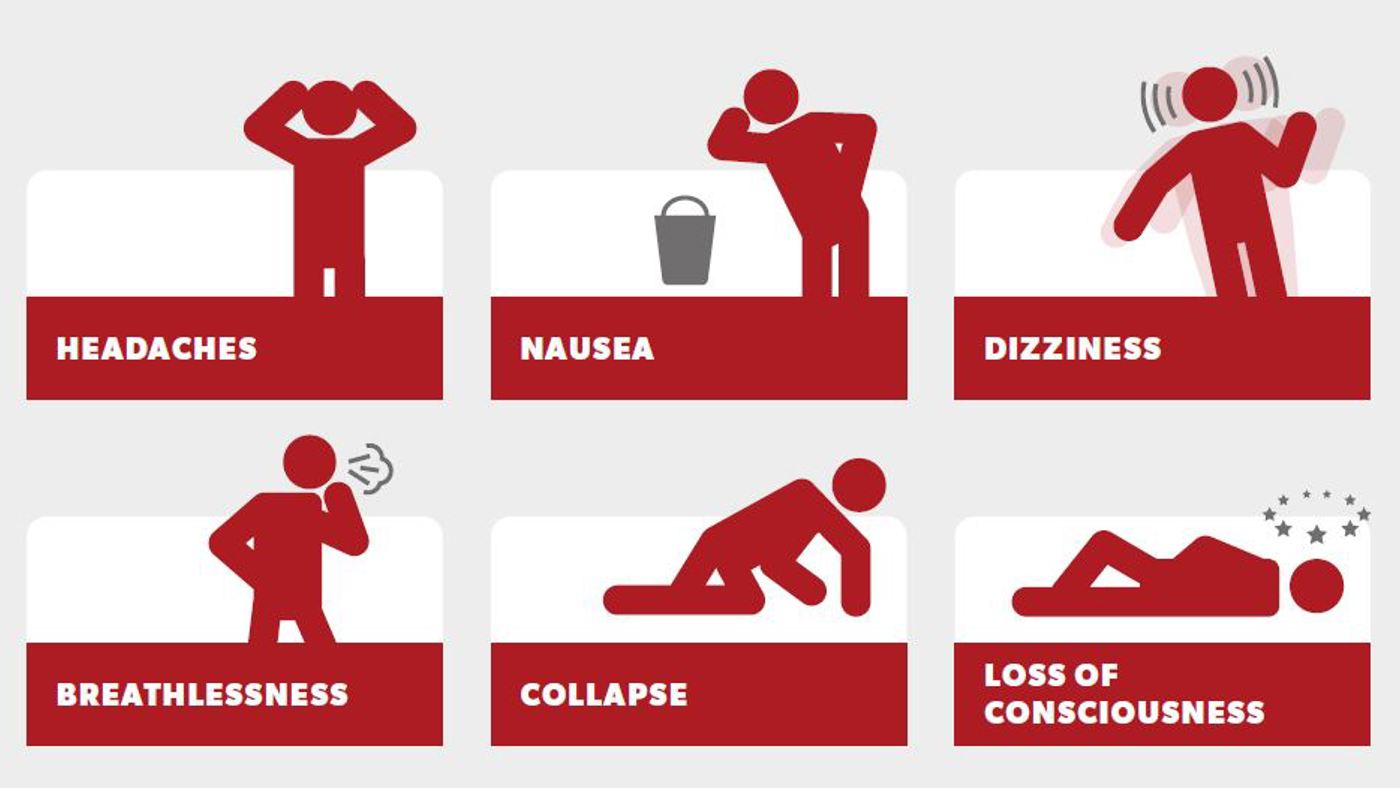
The surprising truth is that we often dismiss these early warning signs because they mimic so many everyday discomforts. The trick is to give them a second thought, especially when they appear together or are unusually persistent.
Embrace the Awareness: Your Inner Detective
So, what’s the takeaway from these tales of subtle symptoms and unexpected discoveries? It's simply to become a bit of a detective for your own well-being. Listen to your body and don’t dismiss those vague feelings too quickly.
If you or a passenger (human or pet!) start feeling unusually sleepy, lightheaded, or develop a headache while driving, especially for an extended period, it's a cue to act. Pull over safely, turn off the engine, and get some fresh air.
It's a simple act of self-care that can make all the difference. Knowing these subtle signs gives you the power to transform a potentially dangerous situation into a quick, solvable inconvenience.
Driving should be a joyful, safe experience. By understanding the tricky ways carbon monoxide can manifest, you’re not just protecting yourself, but also ensuring your journeys remain filled with good memories, not confusing mysteries. Stay safe, and keep those windows open for fresh air if anything feels amiss!