Carbon Monoxide Detectors Where To Place
Alright, let’s talk about a tiny hero that lives in your home, working undercover to keep you safe and sound. We’re not talking about your cat (though they certainly try!), we’re talking about the mighty Carbon Monoxide Detector! This little gadget is like your home's personal bodyguard, but it needs to be in the right spot to do its best work. Think of it as setting up a surveillance camera – you wouldn’t point it at a blank wall, right? You want it where the action might be! So, let’s embark on an epic quest to find the perfect hideouts for these silent guardians, shall we?
The Grand Tour: Where Should Your CO Detector Call Home?
Imagine your CO detector as a super-sniffer, an invisible gas detective. To catch its sneaky target, carbon monoxide (the invisible, odorless, tasteless villain of our story), it needs a prime vantage point. Luckily, placing these heroes isn't brain surgery, it's more like a fun scavenger hunt with a very important prize: peace of mind!
Level Up Your Safety: Every Floor, Every Time!
"Safety isn't just for one floor, it's for the whole house party!"
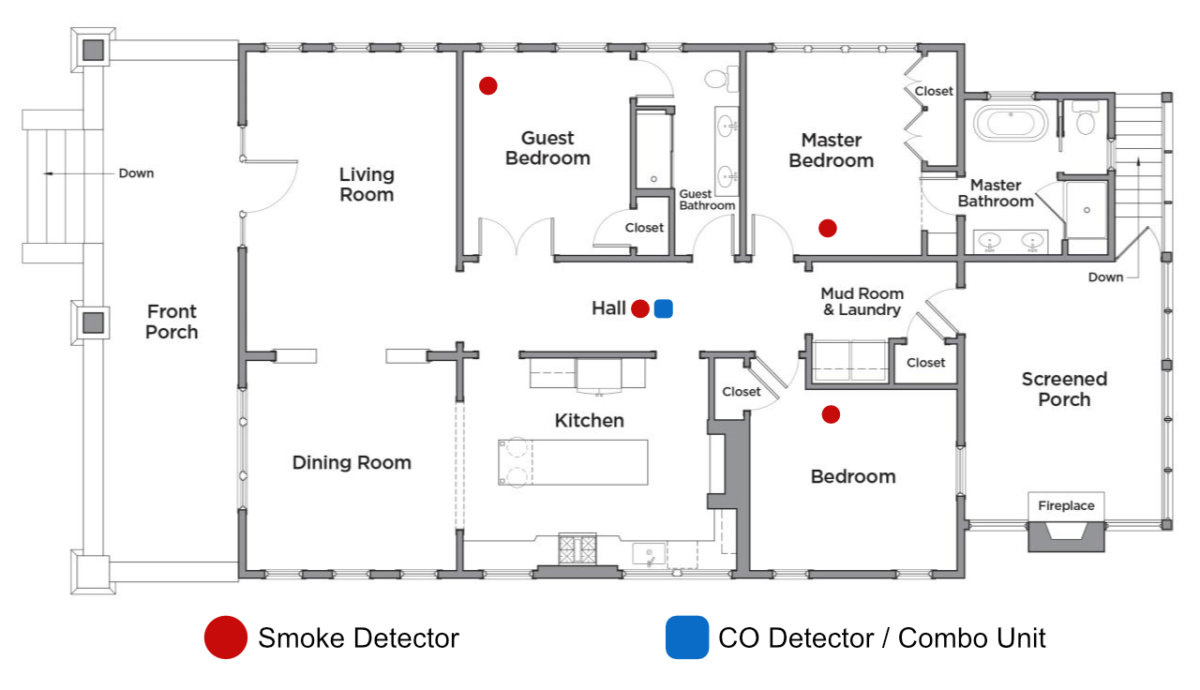
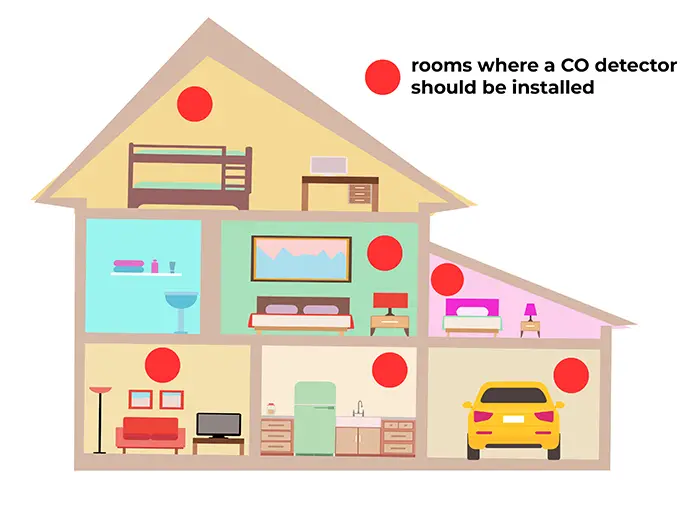
First rule of CO Club: one on every level. Yes, every single one! Basements, main floors, upstairs bedrooms – no level should feel left out of the safety party. Carbon monoxide mixes with air, and it doesn't really care for stairs. So, having a detector on each floor ensures that no matter where the invisible gas might try to sneak in, there’s a vigilant sensor ready to sniff it out. It's like having multiple alarm clocks for the same important meeting – you just can't miss it!
Must Read
Bedroom Brigade: Protecting Your Zzz’s!
This one is super important! Your CO detector absolutely needs to be near, or even inside, every sleeping area. Why? Because you're most vulnerable when you're blissfully dreaming of unicorns or winning the lottery. You can't smell CO, you can't see it, and you certainly can't taste it. If it tries to crash your slumber party, you need that detector to yell (well, beep loudly) for you. Imagine trying to wake up from a deep sleep when something is slowly making you feel unwell – not fun! So, place one right outside the bedrooms, or even better, in individual bedrooms if your home is big or has multiple sleeping zones. We want those sweet dreams to stay sweet, not turn into a nightmare!
Appliance Allies: Near the Usual Suspects!
Now, let's talk about the source. Carbon monoxide is often a byproduct of combustion – things burning fuel. Think of your furnace, water heater, gas stove, fireplace, or even that trusty clothes dryer. While these appliances are usually well-behaved, sometimes they can have an off day. So, placing a detector within about 10-15 feet of these fuel-burning champions is a super smart move. It’s like putting a bouncer at the door of the most likely troublemaker's hangout. But here's a playful twist: don't put it RIGHT next to them! You don't want it mistaking normal exhaust for a dangerous leak. Give it a little breathing room, like a respectful but watchful distance.

Garage Guru: A Must-Have!
If you have an attached garage, this is non-negotiable! Cars, lawnmowers, snowblowers, grills – anything that burns fuel and might accidentally get left running or have a hiccup. Even if you're super careful, a sneaky puff of CO can waft from the garage into your home. So, put a detector right where the house meets the garage. It’s like having a customs agent checking everyone entering your domestic bliss!
The "Oops, Not There!" List: Where Not to Place Your Hero
Even heroes have their kryptonite, or rather, places where they just can't perform their best. Avoid these spots to keep your detector in tip-top shape:
- Right next to fuel-burning appliances: As mentioned, too close can trigger false alarms from normal, harmless exhaust. Give it space!
- In dusty or greasy areas: Think super dusty workshops or directly above a greasy stove. The sensors can get gunked up, making them less effective.
- In direct sunlight or near heat sources: Extreme temperatures can mess with the electronics. Keep it out of direct sunbeams and away from radiators or vents.
- Behind furniture or curtains: This blocks the sensor from doing its job! It's like trying to listen to a secret conversation from inside a closet.
- In "dead air" spaces: Up in the peak of a vaulted ceiling or in very enclosed alcoves where air doesn't circulate well. CO mixes with air, so it needs to be in the general flow. Think chest height to head height, where you're breathing.
The Cheerful Check-Up: Keeping Your Guardian Happy!
Once your CO detectors are perfectly placed, don’t forget their simple needs! Test them regularly – usually by pressing a button – to make sure they’re still beeping strong. And just like milk, they have an expiration date! Most last about 5-7 years. When it’s time, treat your home to new ones. It’s a small investment for such a giant peace of mind!
So there you have it! Placing your carbon monoxide detectors is a super easy task that makes a massive difference. You’re not just sticking a gadget on a wall; you're setting up an invisible force field around your loved ones. Go forth, place those detectors with confidence, and enjoy the cozy, safe feeling of a well-protected home!