
Carbon Monoxide Detectors For Houses
Hey there, fancy a quick chat? Grab another coffee – or tea, if that’s your jam. We need to talk about something super important, but don't worry, it's not a scary lecture. More like, a friendly heads-up from your favorite casual safety guru (that's me, by the way!). We're diving into the world of Carbon Monoxide Detectors for your house. Yeah, those little things. They're actually a really big deal, in the best possible way!
So, What's the Big Deal with CO?
Alright, first things first. Let's get real about carbon monoxide, or CO as the cool kids (and firefighters) call it. You've probably heard it described as the "silent killer," right? And, honestly, that's not just a dramatic movie line. It's truly super sneaky. I mean, we're talking about a gas that's totally invisible, has absolutely no smell (zip, nada!), and is completely tasteless. You wouldn't even know it was there, just chilling in your living room, potentially messing with your day.
It's like that uninvited guest who slips in, makes themselves at home, and slowly starts to cause trouble without anyone noticing. Not cool, CO. Not cool at all!
Must Read
Where Does This Pesky Gas Come From?
Good question! CO can pop up from all sorts of everyday things around your house. Think about your furnace, especially if it's a bit older or hasn't had its annual check-up (hint, hint!). Gas stoves, clothes dryers, water heaters – anything that burns fuel can be a source if it’s not venting properly. Even your car, if you ever, say, start it up in an attached garage. Generators too, if you're ever using one during a power outage. Basically, if it burns stuff, it could produce CO. And when that gas doesn't have a clear path out, it starts building up inside your home. Yikes!
Why It's So Dangerous (and Why We Need Heroes!)
Here’s the scary bit: CO quietly replaces the oxygen in your blood. It basically hijacks your red blood cells, which are supposed to be carrying oxygen to all your important bits. When that happens, your organs, like your brain and heart, start getting deprived of what they need to function. Symptoms? At first, it might just feel like a really bad headache, nausea, or dizziness – super easy to mistake for the flu or just being tired. But as exposure continues, it gets more serious, leading to confusion, loss of consciousness, and, well, you know. It's not a fun trajectory, and it happens alarmingly fast and without warning. That's why we need our heroes!

Enter the Superhero: Your CO Detector!
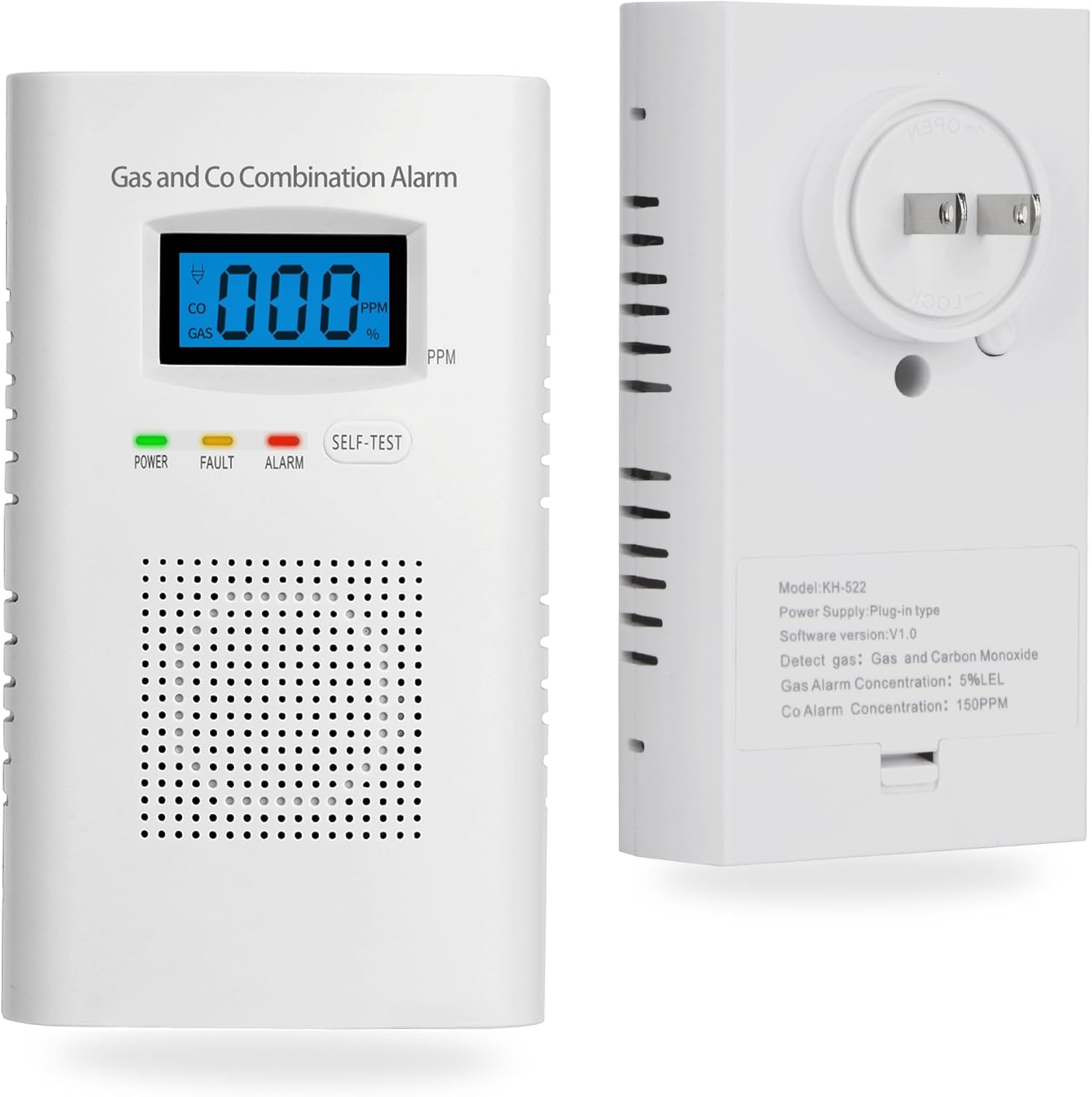
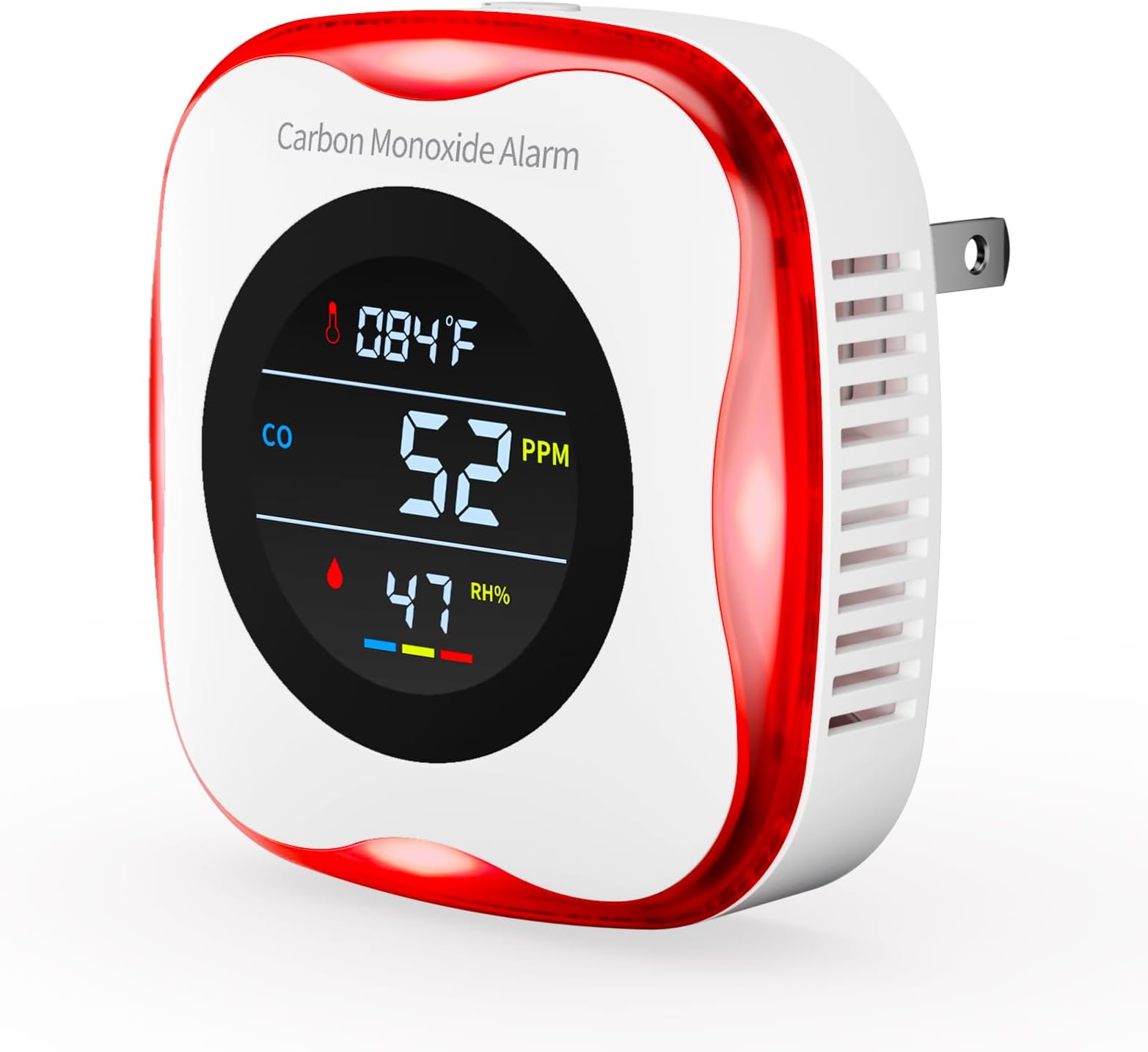
And here they are! Ta-da! Your very own Carbon Monoxide Detector. These little gadgets are absolute lifesavers, no exaggeration. Think of them as your home's personal guardian angels, constantly sniffing the air for that undetectable danger. They're like having a tiny, dedicated, gas-sniffing dog – but without the slobber or the need for walks. When they sense CO levels rising to a dangerous point, they let out a loud, insistent BEEEEEP BEEEEEP BEEEEEP! And trust me, you want that alarm. It's not a gentle nudge; it's a "get out now!" kind of shout, which is exactly what you need in that moment.
Where to Put These Super Sniffers?
Okay, so you've got them. Now where do they go? Easy peasy! The most crucial spots are near sleeping areas. Think about it: you want to be woken up if there's a problem while you're dreaming of puppies or pizza. So, hallways outside bedrooms are prime real estate. But don't stop there! It's also a fantastic idea to have one on every level of your home. Basement, main floor, upstairs – wherever your family spends time. CO can travel, so covering all your bases is just smart. Some people even put one near their attached garage entrance, just in case.

They're typically super simple to install – either plug-in models or battery-operated ones that you just screw into the wall or ceiling. No fancy electrical work usually required!
A Little TLC Goes a Long Way
Like all good heroes, your CO detectors appreciate a little love and attention. It’s not much, I promise! Just a couple of quick things:
- Test Them Regularly: Most detectors have a little "test" button. Give it a push once a month. You'll hear that lovely loud beep, confirming it's ready for action.
- Change Batteries: If yours are battery-powered (or have a battery backup), swap those batteries out at least once a year. A super easy trick? Do it when you change your clocks for Daylight Saving Time. Kill two birds with one stone!
- Watch the Expiration Date: Yep, these things don't last forever. Most CO detectors have a lifespan of about 5-7 years. Check the manufacturer's date on the back – once it's expired, swap it out for a new one. Their sensors can become less reliable over time.
Peace of Mind is Priceless, Right?
Honestly, installing carbon monoxide detectors is one of the easiest, most affordable ways to add a huge layer of safety to your home. It’s not just about protecting your stuff; it’s about protecting the people you love most. That feeling of knowing you've taken a simple step to safeguard your family from an unseen danger? That's what we call priceless peace of mind.
So, if you don't have them, or if yours are ancient, consider this your friendly, coffee-fueled nudge! Go grab some, check those dates, and hit that test button. You'll be glad you did. Stay safe out there, friend!
