
Carbon Monoxide Detector Sound Vs Fire Alarm

Ever been startled awake by a loud, insistent noise in your home? Your heart probably jumped right into your throat. It's that moment of pure panic before you figure out what's going on. We all know those sounds, don't we?
Two main culprits usually cause this household drama. One is the famous fire alarm. The other is the slightly more mysterious carbon monoxide detector.
And guess what? There’s a whole lot of fun to be had comparing their distinct sounds. It’s become a bit of an internet sensation, a quirky debate among friends. People love talking about which sound is which!
Must Read
The Fire Alarm: An Unmistakable Scream
Let's start with the one everyone recognizes. The fire alarm is usually a high-pitched, continuous wail or a series of loud, rapid beeps. It's designed to grab your attention instantly. No subtle hints here; it demands you act now.
This sound is universal, a true global language of alarm. It shouts, "Danger! Get out!" It triggers a primal response in us. You can almost feel the adrenaline just thinking about it.
What makes it special? Its sheer intensity and its role in keeping us safe. It's a sound we hope never to hear for real. But it's also a sound that truly sticks in your memory.
"The fire alarm's scream is etched into our collective memory."
It's a sound that leaves no room for doubt. There’s no wondering, "Is that a bird?" or "Did someone drop something?" No, it's a clear, urgent warning. It's the sound of immediate safety action.
This clarity, this immediate panic it can cause, is part of its unique charm. It’s not just a noise; it’s an event. Hearing it, even in a test, can make you jump.
The CO Detector: A Quirky Beep-Pause-Beep
Now, let's turn our ears to the carbon monoxide detector. This little gadget often has a much different tune. It’s less of a scream and more of a distinct pattern.
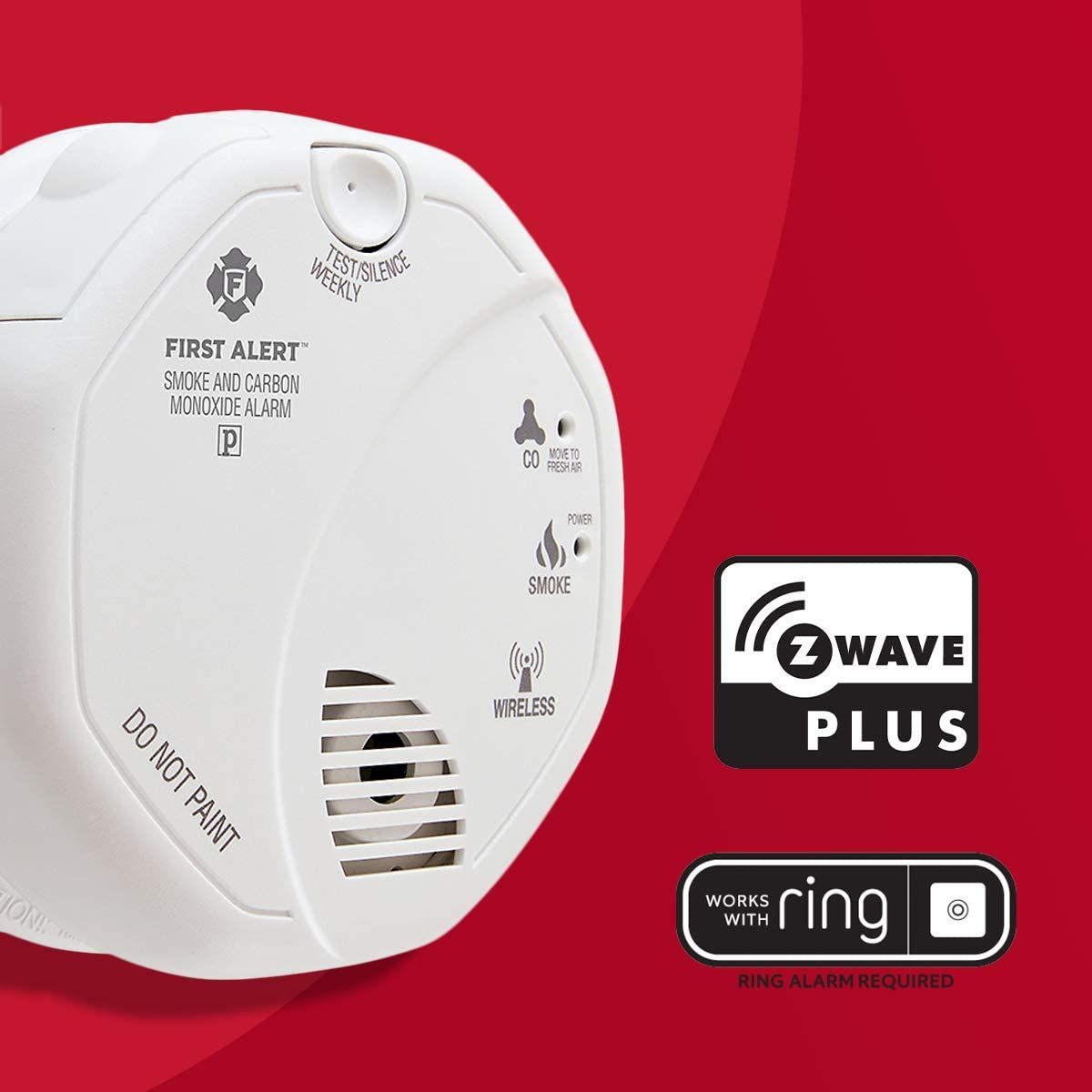
Think about it: usually, it’s a series of four quick beeps, then a pause, then four more beeps. Sometimes it's a "chirp-chirp-chirp-chirp... pause... chirp-chirp-chirp-chirp." It's almost musical in its repetition.
This pattern is what makes it so fascinating and, dare we say, entertaining! It’s not as universally recognized as the fire alarm. Many people hear it and just think, "What is that?"
"The CO detector's chirp is a puzzle for your ears."
The first time you hear it, you might wonder if it’s a smoke alarm with a low battery. Or perhaps a new kind of doorbell! This confusion is part of the fun, really. It creates a little mystery in your home.
What makes it special? It’s designed to be distinct. It needs to tell you, "Hey, something’s up, but it’s not an immediate fire." It’s a silent, invisible killer it protects against.
The sound often makes people stop and think. They listen intently, trying to decipher its message. This active listening makes it a truly engaging sound experience. It makes you feel like a detective.
The Great Sound Showdown: Why It's Entertaining
So, why has the "Carbon Monoxide Detector Sound Vs Fire Alarm" become such a topic of amusement? It's simple: the contrast is hilarious! One is full-blown panic; the other is a gentle, yet firm, heads-up.
Imagine the scene: you're fast asleep, and suddenly BEEP-BEEP-BEEP-BEEP! You leap out of bed, adrenaline pumping. You're bracing for fire, for smoke, for chaos. Then, after a pause, BEEP-BEEP-BEEP-BEEP!
Ah, relief washes over you! It's not the fire alarm. It's just the CO detector. Maybe the battery is low, or maybe there's a real issue with carbon monoxide. But that initial "not a fire!" moment is gold.
This dramatic emotional swing is pure entertainment. It’s like a mini-thriller playing out in your own living room. The suspense is real, even if the danger isn't always immediate.
People share stories of confusing the two all the time. "I thought my house was burning down, but it was just my fancy new CO detector telling me hello!" These anecdotes are incredibly relatable.
"The moment of confusion, then clarity, is truly pure comedy."
The internet is full of memes and videos mimicking these sounds. People make clever parodies, highlighting the unique patterns. It shows how much these everyday sounds resonate with us. We laugh because we've all been there.
It's also about the subtle differences in their urgency. One is a sprint, the other is a brisk walk. Recognizing that distinction becomes a little personal victory. You feel smart for knowing the difference.

What Makes These Sounds So Special?
Beyond the immediate amusement, there’s something genuinely special about these sounds. They are reminders of unseen guardians in our homes. They work silently until needed, then they speak loudly.
The sound design itself is a marvel. How do you create an audio alert that is instantly recognizable but also distinct from other alerts? It's a challenge that safety engineers tackle head-on.
The genius of sound design is at play here. Each alarm is crafted to convey a specific level of threat. It's auditory communication at its most critical.
These sounds also make us more aware. They encourage us to listen, to distinguish, and to learn. Knowing the difference empowers us to react correctly and calmly.
It’s a subtle form of education wrapped in everyday life. You don't just hear a sound; you learn its meaning. This knowledge is important, but the journey to get there can be quite fun.
"They are more than just noises; they are a safety symphony."
The fact that people are even discussing these sounds means they've done their job. They've entered our consciousness, not just as alerts, but as cultural touchstones. They've become part of our shared experience.

It highlights the importance of checking your detectors regularly. Are the batteries fresh? Are they working as they should? Knowing their sounds is the first step in maintaining them.
Tune In and Be Curious!
So, next time you hear a mysterious beep or a sudden wail, don't just panic. Take a moment to listen. Can you identify the pattern? Is it the urgent scream of the fire alarm?
Or is it the distinctive, four-beep rhythm of the carbon monoxide detector? Listening closely can be quite an interesting game. It's like solving a small puzzle.
Why not take a moment to look up videos of these sounds online? Compare them side-by-side. You might be surprised by how different they really are. It’s an easy, fun way to boost your home safety knowledge.
Becoming familiar with these essential sounds is a simple act. It makes you ready for anything. Plus, it's pretty entertaining to finally nail down which is which!
So go ahead, listen carefully. Embrace the quirky differences. It's a fun, engaging, and important aspect of home living. And who knows, you might even have a good laugh along the way!