Carbon Monoxide Detector Is Beeping Intermittently
While it might not feature on a 'Top 10 Hottest Hobbies' list, the humble carbon monoxide detector holds a place of supreme importance in our homes. It's a silent sentinel, a master of vigilance, whose periodic chirps can be an unexpected call to action, reminding us of its vital, life-saving role. Think of it less as a nuisance and more as a dedicated, albeit sometimes chatty, guardian whose 'voice' is one of unwavering protection.
For anyone learning about home safety, or simply managing a household, understanding your CO detector is a fundamental skill. It teaches you the art of paying attention to subtle cues, much like an artist studies light or a hobbyist masters a new technique. The benefit isn't creative output, but peace of mind and the protection of life itself. Mastering the language of your detector means you’re not just living in a house; you’re expertly managing a safe sanctuary for yourself and your loved ones. It’s about becoming a more informed and proactive homeowner, a true 'life artist' in the realm of safety.
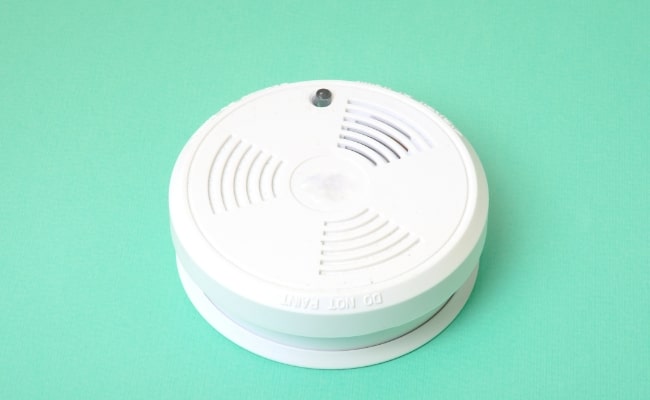
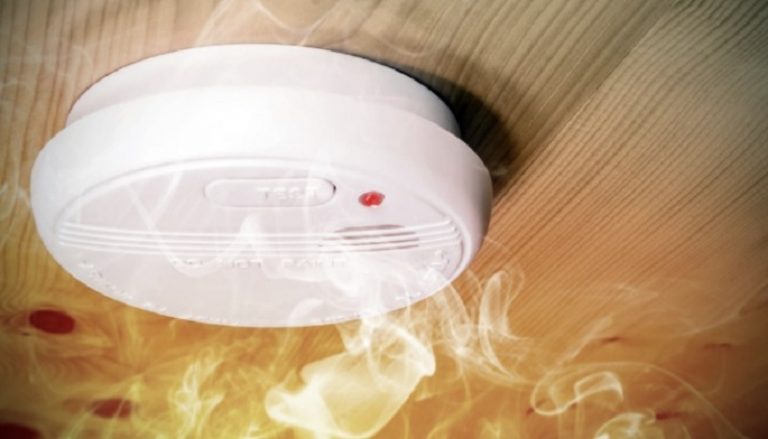
An intermittent beep, often a single chirp every 30 seconds or minute, commonly signals it's time to change the battery – a simple, crucial act of maintenance. Other detectors might chirp when they've reached their end-of-life (typically 5-7 years), indicating it's time for a replacement. A louder, more frequent alarm (usually four beeps, pause, four beeps) means immediate danger: evacuate! These 'variations' aren't artistic choices; they are critical messages from your silent guardian, each demanding a specific, swift response. Understanding these distinct 'dialogues' allows you to act promptly and correctly, making you a responsive and responsible home curator.
Must Read
The only 'experimentation' you should do at home involves the 'Test' button. Press it regularly, as per manufacturer instructions (typically once a month), to ensure it's functioning. If your detector is actually beeping intermittently outside of a test, do not ignore it. Consult your device's manual to understand what the specific chirp means – usually a low battery or an end-of-life warning. Make battery replacement a routine, perhaps tying it to daylight saving time. If it's a full, continuous alarm, get out immediately and call 911. This isn’t a drill; it’s a crucial call to action to safeguard your well-being.
While 'enjoyable' might not be the first word that comes to mind when a CO detector beeps, there's a profound satisfaction in knowing you have a reliable protector watching over you. It brings the comfort of preparedness, the peace of mind that comes from understanding its signals, and the joy of a safe home. Embrace the chirps as reminders to maintain your guardian, ensuring it continues its silent, life-saving watch. It’s inspiring to know that such a small device holds such immense power to protect, empowering us to be vigilant custodians of our own safety.