
Carbon Monoxide Detector How Does It Work

Hey there, coffee buddy! Pull up a chair. We need to chat about something super important, but don't worry, we're keeping it light. Think of this as your friendly, no-scary-lectures guide to one of the unsung heroes in your home: the Carbon Monoxide Detector.
Yeah, I know, "Carbon Monoxide" sounds like something out of a sci-fi movie where the bad guy is a gas. And honestly, it’s not too far off. CO, as we cool kids call it, is a real sneaky villain. It’s colorless, odorless, and tasteless. Seriously, it's like an invisible ninja trying to sneak into your lungs. You wouldn't even know it's there until... well, until it’s too late. That’s why these little gadgets are so crucial.
So, What Exactly Is CO, Anyway?
Okay, super quick science lesson, promise it won't hurt! Carbon monoxide is a byproduct of incomplete combustion. Translation: when stuff burns without enough oxygen, like in a faulty furnace, a blocked chimney, a car running in an enclosed space (don't do that!), or even a gas stove that's not quite right. Instead of producing harmless carbon dioxide, you get CO.
Must Read
The problem? Your red blood cells, bless their tiny hearts, are way more attracted to CO than oxygen. Like, significantly more. So, if CO is present, your blood cells are like, "Ooh, new shiny thing!" and grab the CO instead of the oxygen your body desperately needs. And that, my friend, is how things go south, fast.
Enter the Hero: Your CO Detector!
Alright, enough with the doom and gloom! Let's talk about the cool tech that saves the day. How does this seemingly simple box on your wall or ceiling actually know when Mr. Invisible Ninja is lurking? It’s pretty clever, actually, and there are a few types, but let’s zoom in on the most common one, the electrochemical sensor. Because that's where the magic, or should I say, the chemistry, happens!

Imagine, if you will, a tiny little laboratory packed inside that plastic casing. Seriously! Inside, there's usually a gel or a chemical solution. Think of it like a highly sensitive, super-specialized CO-sniffing dog, but, you know, chemical. When carbon monoxide gas drifts into the detector and hits this special gel, something amazing (and life-saving!) happens.
The CO gas reacts with the chemical solution. This isn't just a casual sniff; it's a full-on chemical dance party! And this dance party actually creates a tiny electrical current. Yes, really! The more CO present in the air, the stronger that electrical current becomes. It’s like a little internal barometer measuring the CO concentration.
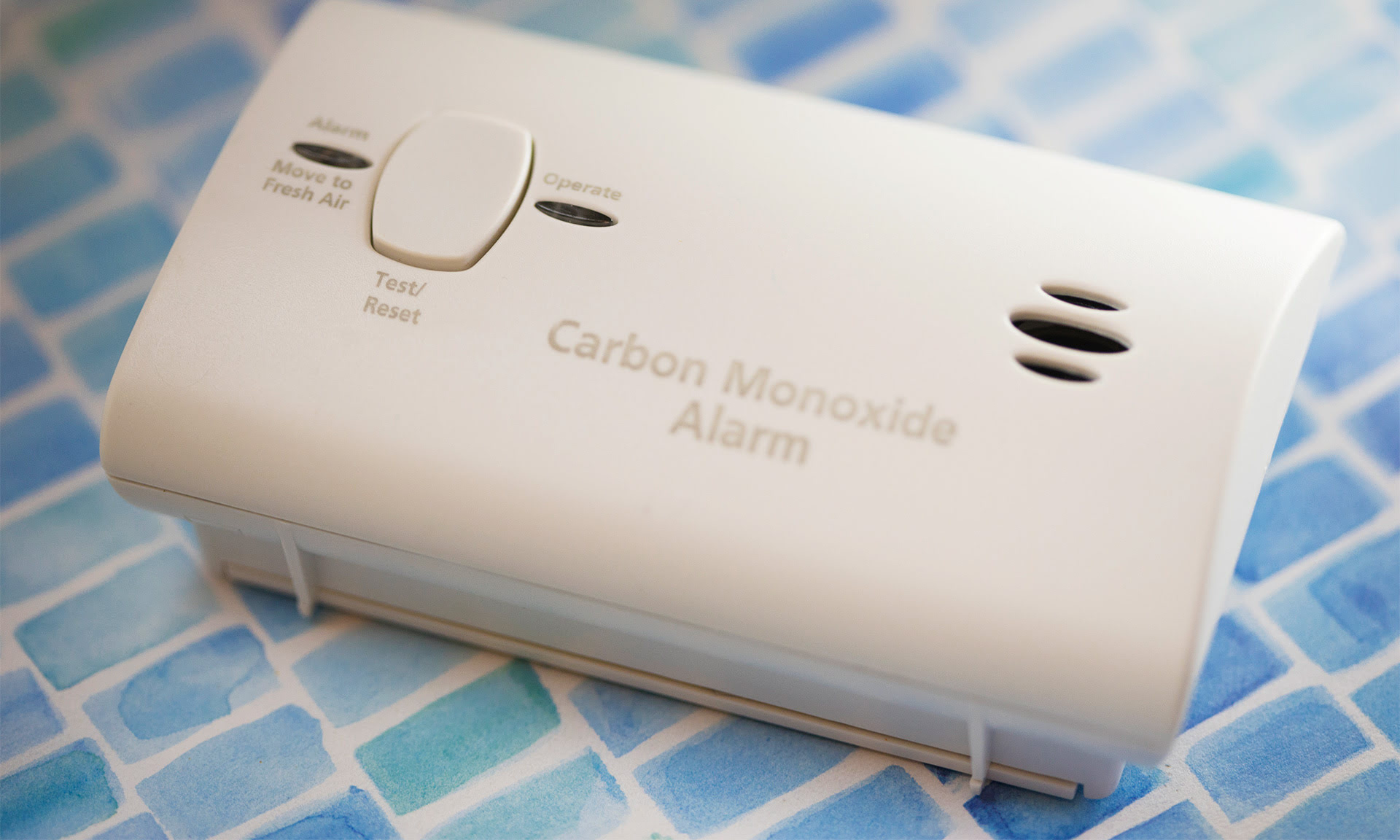
But wait, there’s more! This little current isn't just floating around doing nothing. It’s being constantly monitored by a super-smart microprocessor, which is basically the detector's brain. This brain is programmed with all sorts of thresholds. It knows that a little bit of CO is one thing, but a whole lot is an entirely different (and very dangerous) story.
So, the microprocessor is constantly checking that electrical current. Is it low? No problem, just chilling. Is it nudging up a bit? Hmm, the brain starts to pay closer attention. Is it hitting a dangerous level? BINGO! Or, more accurately, BEEP BEEP BEEP!
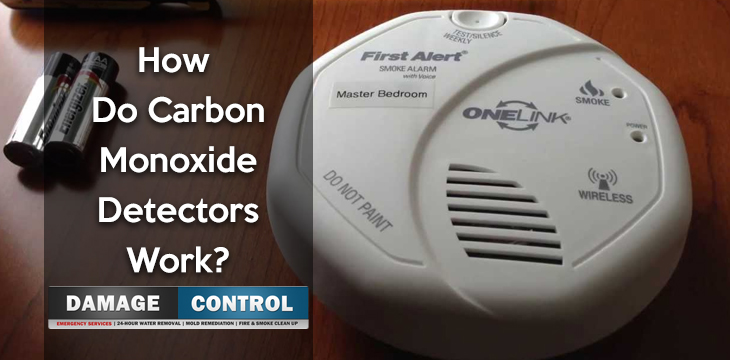
The Big Reveal: Alarm Time!
Once that current crosses a pre-set danger threshold, the detector's brain says, "Nope, not on my watch!" and triggers the alarm. It's not just a random guess; it's a precise chemical reaction translated into an electrical signal that then triggers a loud, unmistakable warning. That piercing sound isn't just annoying; it’s literally saving your life by telling you to get out, and get out now!
And some detectors are even smarter, offering different levels of warning. A low-level, intermittent chirp might mean "Hey, there's a tiny bit of CO, maybe check your stove," while a continuous, ear-splitting shriek means "SERIOUS DANGER! EVACUATE!" It's all about giving you the heads-up before things get truly dire.
.jpg)
A Few Friendly Reminders (Because We Care!)
Since we're on the topic, let's just quickly cover a couple of things. These heroes aren't set-it-and-forget-it types, unfortunately. They need a little love!
- Placement is key: Put them near sleeping areas and on every level of your home. CO spreads, so don't be stingy!
- Test button: Use it! Regularly! It's like pressing the "check if my superpowers still work" button. Usually once a month.
- Batteries: If it's battery-powered, change them twice a year. Seriously, set a reminder.
- Expiration dates: Yep, they expire! Usually after 5-7 years, the sensors just aren't as accurate. So check the back and replace them when it's time. Don't be that person.
So there you have it! Your Carbon Monoxide detector isn't just a piece of plastic; it's a miniature chemical lab and a tiny, vigilant brain working tirelessly to protect you and your loved ones from an invisible threat. Pretty cool, right?
Now, go on, give your CO detector a nod of appreciation, maybe even a little pat. And make sure it’s doing its job! Coffee's on me next time!