
Carbon Monoxide Detector High Or Low

Ah, the great household mysteries. We solve some, like why the remote is always lost. Others, like the socks in the dryer abyss, remain forever unsolved.
But today, dear reader, we tackle a truly pressing question. It's one that causes many a furrowed brow. It might even lead to a late-night Google deep dive.
We're talking about the humble carbon monoxide detector. That silent guardian in your home. The device that wards off the invisible, odorless menace.
Must Read
And the million-dollar question that sparks lively debate: high or low? Where exactly should this life-saving gadget make its home?
It’s a dilemma that pits common sense against the supposed laws of physics. Or at least, our hazy memory of them.
The Great Debate: Up, Down, or Somewhere In-Between?
You’ve seen the boxes. Read the instructions. Scrolled through countless websites with diagrams. All trying to tell you the 'correct' way to place it.
Some declare with absolute certainty that carbon monoxide is lighter than air. "Put it high!" they insist. Logic dictates it will float upwards, right?
Then, another camp, equally confident, counters: "No, no, it's heavier than air!" Their advice? "Low to the ground!" They envision it as a creeping, unseen pool.
Confused yet? You are absolutely not alone. It feels like a choose-your-own-adventure book, but with slightly higher stakes than finding the treasure.
The sheer variety of opinions can make your head spin. One minute you're considering ceiling installation, the next you're eyeing the baseboards.
The Official Stance (And Why We Secretly Roll Our Eyes)
The experts, bless their diligent hearts, usually land on a more nuanced answer. They patiently explain that carbon monoxide actually mixes pretty evenly with air.
So, unlike smoke detectors, which absolutely need to be high on the ceiling where hot smoke gathers, CO detectors aren't quite so demanding about elevation.
Many official guidelines lean towards suggesting "at chest height" or "at sleeping level." This particular placement makes a lot of sense for bedrooms, where you’re most vulnerable during sleep.

But let's be entirely honest with ourselves. How many of us are truly pulling out a tape measure to pinpoint "chest height" with scientific precision during installation?
More often, we're just trying to find a convenient, clear spot on the wall. Somewhere it won't be an eyesore, or easily bumped.
"Is it really about molecular weight, or just finding an available electrical outlet?"
The underlying science is indeed fascinating, we're quite sure of it. Something about gas diffusion coefficients and subtle air currents.
These are all incredibly important principles in a perfectly controlled laboratory environment. Absolutely vital, no doubt.
But in the real world? Inside our slightly dusty, perfectly imperfect, and often draughty homes, are we truly optimizing for atmospheric pressure gradients?
Probably not. Our mental energy is more likely spent avoiding tripping over toys. Or perhaps wrestling a stubborn picture frame onto the wall.
The idea of micro-managing gas distribution in our personal living spaces feels a bit... over the top. Like trying to herd cats with a laser pointer.
My (Admittedly Unpopular, Yet Utterly Practical) Opinion
Here it is. My grand reveal. Prepare yourselves, safety fanatics, appliance installers, and armchair physics professors.
My humble, yet fiercely held and remarkably practical, opinion is this: just put it somewhere reasonable.
Yes, you heard me correctly. Somewhere genuinely reasonable. Somewhere it won't be accidentally obscured by a growing pile of clean laundry.

Somewhere it won't be mistaken for an exciting new chew toy by your adorable, but sometimes mischievous, puppy.
Crucially, somewhere you'll actually hear it if it ever decides to sound its shrill, attention-grabbing alarm. And somewhere it can actually, you know, detect the surrounding air without obstruction.
This "reasonable" approach takes into account the glorious, messy reality of daily life. It's about practical safety, not theoretical perfection.
Let's Get Real About Home Life (The Unscientific Edition)
Really, stop and think about it for a moment. Are we honestly conducting meticulous scientific experiments in our living rooms?
Are we meticulously charting every tiny air movement pattern before we even dare to drill a hole into the plaster?
No. We are not. We're busy humans. We're living our lives. We're probably wondering what culinary delight awaits us for dinner.
The absolute most important thing about your carbon monoxide detector is its mere presence. That it's powered on and operational.
And that its batteries are fresh, healthy, and ready to go. The chirping low battery warning is infinitely more annoying than finding the "perfect" spot.
Whether it's precisely 3 feet off the ground or a stately 5 feet, the primary, life-saving goal remains utterly unchanged.
It's there to protect you, your family, your pets, and your general peace of mind from an insidious, silent threat.
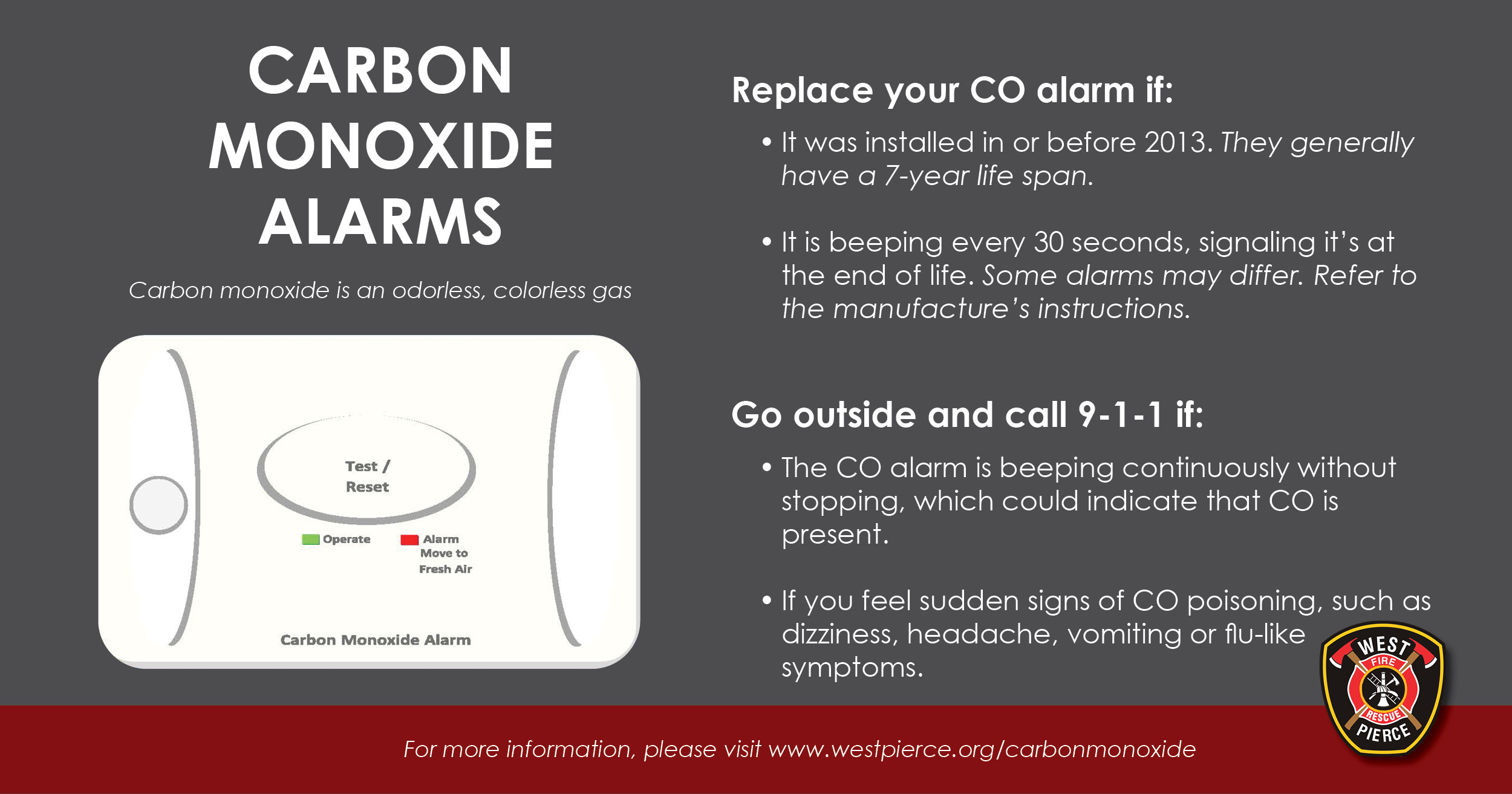
"A working CO detector, in any sensible, unobstructed spot, beats a perfectly placed but non-existent or dead one every single time."
So, if you’ve opted for a convenient plug-in model, just stick it into an accessible outlet. But please, not behind that enormous, dusty sofa.
Choose a clear, open spot where it can breathe and listen. It’s like picking a good seat at a concert for the best sound.
If it’s a battery-operated unit designed to mount to the wall, simply put it where it won’t get accidentally bumped or covered.
Somewhere visible enough to remind you it exists, but not so prominent it becomes an unwelcome focal point of your décor.
Don't fret over exact inches. Don't lose precious sleep poring over confusing molecular weight charts or ventilation schematics.
Just get it installed. That's the main mission. Procrastination is a far greater enemy here than imprecise placement.
Seriously, the worst, most dangerous thing you can possibly do is not have one at all. Or to have one that's quietly expired or has dead batteries.
The Real Takeaway: Just Have One, Period. No Excuses.
The invisible danger posed by carbon monoxide is incredibly real. It's not a myth or an old wives' tale.
It can cause debilitating symptoms like severe headaches, unexplained dizziness, and persistent nausea.
In higher, more concentrated doses, it has the terrifying potential to be fatal, often before you even begin to realize anything is terribly wrong.

That's precisely why these unassuming little gadgets are so profoundly important. They are, quite literally, silent lifesavers.
They are the unsung, often forgotten heroes of household safety. Quietly, diligently, and constantly doing their critically important job.
So, please, stop tying yourself in knots over the "high or low" debate. It's a fun, slightly academic thought experiment, for sure.
But the practical, boots-on-the-ground reality of genuine home safety is often a little less scientific, and a whole lot more "good old common sense."
Just make absolutely certain you have working detectors strategically placed in all the truly important areas of your home.
Near all sleeping areas is a must, and ideally, on every single level of your dwelling, including the basement.
Test them regularly. Make it a routine. Change their batteries promptly when they emit that annoying, yet ultimately reassuring, insistent chirp.
And if you truly, deeply, want to be absolutely precise, by all means, consult the manufacturer's manual. They did spend good money on rigorous testing, after all.
But don't let the admirable pursuit of absolute perfection prevent you from taking swift, effective action. When it comes to safety, good enough is, well, more than good enough for basic placement.
Focus on functionality and consistent maintenance over hyper-specific, micromanaged height. Your safety and peace of mind are what genuinely matter.
So, high or low? My final, definitive vote: sensibly placed, completely unobstructed, and fully functional. And maybe, just maybe, strategically out of reach of tiny, curious, exploring fingers and paws.