Carbon Monoxide Detector Going Off What To Do
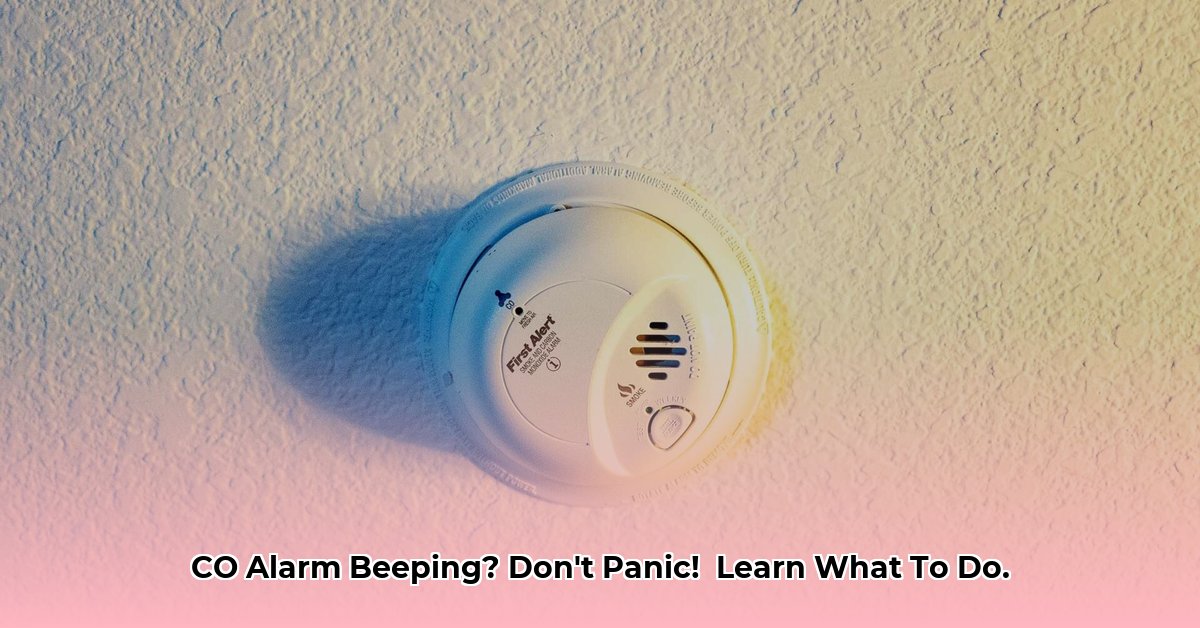
Ever had a smoke detector unexpectedly blast off, sending your heart racing? Now, imagine a different kind of alarm, one that's even more crucial because it detects an invisible, odorless, and utterly silent threat. We're talking about your carbon monoxide (CO) detector – your unsung hero in home safety! Knowing what to do when this little gadget goes off isn't just useful; it makes you a preparedness pro, ensuring peace of mind for you and your loved ones. Think of it as mastering a secret superpower: the power to protect against the "silent killer."
So, what exactly is a carbon monoxide detector, and why is it so important? Simply put, it's an electronic sentinel designed to detect the presence of carbon monoxide gas. CO is a byproduct of incomplete combustion, meaning it can be produced by common household appliances like furnaces, gas stoves, water heaters, fireplaces, and even car exhaust. The scary part? It has no smell, no taste, and no color. You won't know it's there until it's too late, causing symptoms like headaches, dizziness, nausea, and in severe cases, unconsciousness and death. Your CO detector is your first and only warning system, providing the precious moments you need to react and stay safe. It's literally a lifesaver, offering invaluable protection and priceless peace of mind.
Now, let's get to the main event: what happens when your CO detector starts blaring? Don't panic, but act swiftly! Here's your simple, step-by-step game plan:
Must Read
- Get Everyone Out – Immediately! As soon as the alarm sounds, your absolute priority is to evacuate everyone from the house or building. This includes all people and pets. Don't waste time trying to find the source or grab belongings. Fresh air is your best friend.
- Call Emergency Services from a Safe Location. Once you're safely outside and away from the building, use your cell phone to call 911 (or your local emergency number). Clearly state that your carbon monoxide detector is alarming and give your address.
- Do NOT Re-enter the Building. It might be tempting to go back inside to check on something or grab a forgotten item, but resist the urge. CO can incapacitate you very quickly. Wait for the emergency responders to arrive and give you the all-clear.
- Let the Professionals Handle It. Firefighters or other first responders are equipped to test the CO levels in your home, identify the source of the leak, and safely ventilate the area. They will advise you when it's safe to return.
- Investigate and Resolve the Source. Once the immediate danger is over and you're cleared to return, it's crucial to have qualified professionals inspect your fuel-burning appliances (furnace, water heater, stove, etc.) to find and fix the source of the CO leak. This ensures the problem doesn't recur.
Remember, regular testing of your CO detector (usually with a test button) and knowing the difference between a low-battery chirp and an actual alarm are also key components of being a home safety champion. Your CO detector is more than just a gadget; it's a silent guardian, and knowing what to do when it speaks up makes you ready for anything. Stay safe, stay prepared!