
Carbon Monoxide Detector For Gas Appliances
Picture this: you're curled up on the sofa, a warm drink in hand, the gentle hum of your home creating that perfect cozy vibe. Maybe dinner is simmering on the gas stove, or your gas furnace is quietly keeping everything toasty. It's moments like these that make home, well, home. But lurking in the shadows of this domestic bliss, an invisible, odorless, and tasteless potential threat might be at play. We're talking about Carbon Monoxide (CO), the sneaky villain no one ever invites to the party.
The Unseen Guest: What is Carbon Monoxide?
Dubbed the "silent killer" for a very good reason, CO is a gas produced when fuels like natural gas, propane, oil, wood, charcoal, and gasoline burn incompletely. In our modern homes, that often means it can originate from appliances like your gas furnace, water heater, stove, fireplace, or even a barbecue used indoors (please, don't do that!). It’s a byproduct of everyday convenience, and while most gas appliances are designed to operate safely, malfunctions or poor ventilation can turn them into CO emitters.
Here's the scary part: because CO is invisible, odorless, and tasteless, you won't know it's there until symptoms start to show. And those symptoms — headache, dizziness, nausea, fatigue — often mimic the flu, making it incredibly easy to dismiss until it’s too late. That's why having a dedicated sentinel is not just a good idea, it's essential.
Must Read
Your Home's Sixth Sense: Why You Need a Detector
Think of a CO detector as your home's super-powered nose, an always-on guardian that's constantly sniffing out danger where you can't. Just as we wouldn't dream of living without smoke detectors (hello, fire safety 101!), CO detectors deserve a place on our "must-have" list for smart, safe living. They provide an early warning system, alerting you with a piercing alarm before CO levels become dangerous, giving you precious time to act.
It’s all about peace of mind, really. Knowing you have this watchful protector silently doing its job allows you to fully relax and enjoy all the comforts your home offers, without constantly worrying about an invisible threat.

Picking Your Protector: Types and Placement
CO detectors come in a few flavors:
- Battery-operated units: Great for flexibility, but remember to change those batteries!
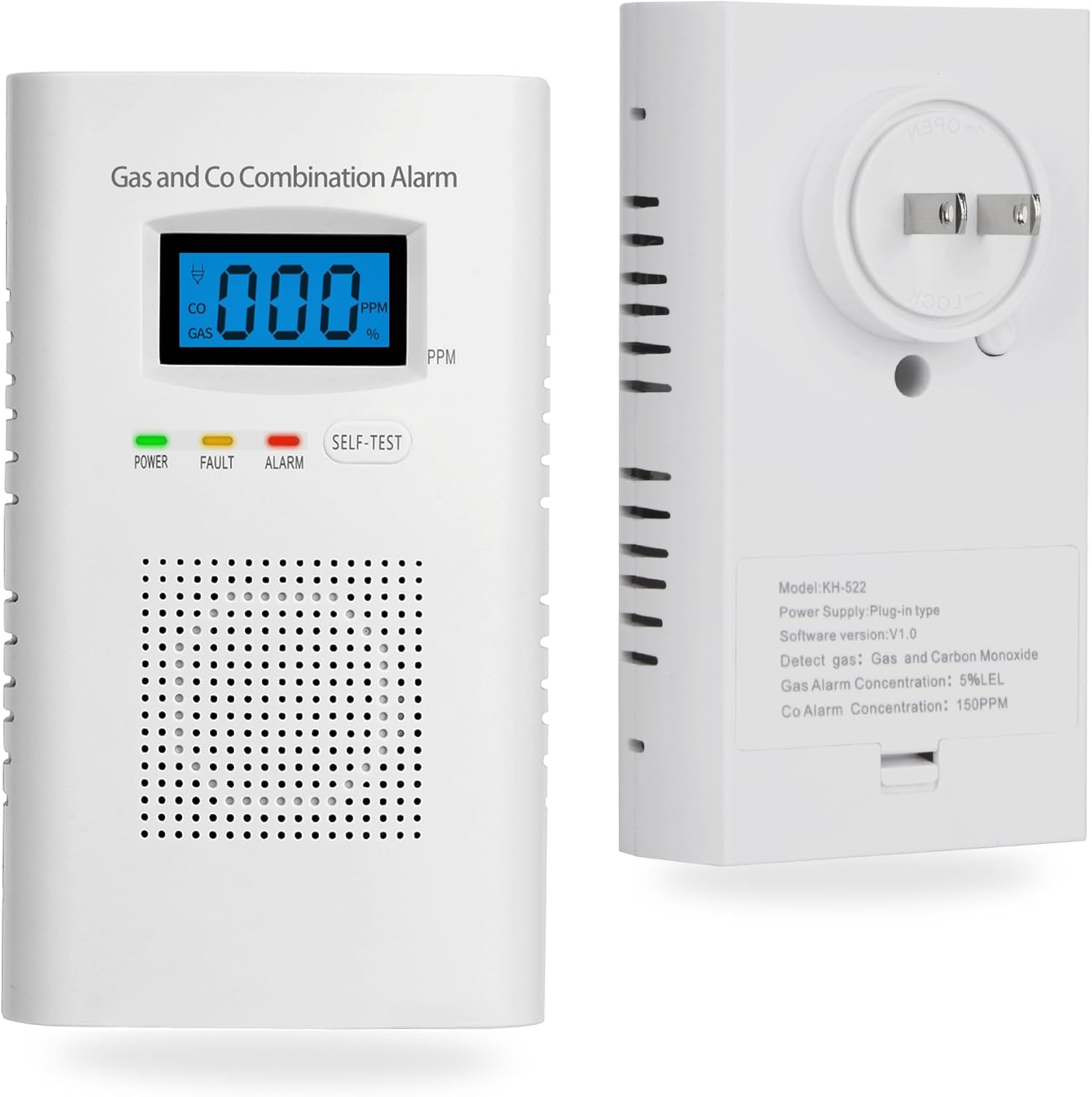
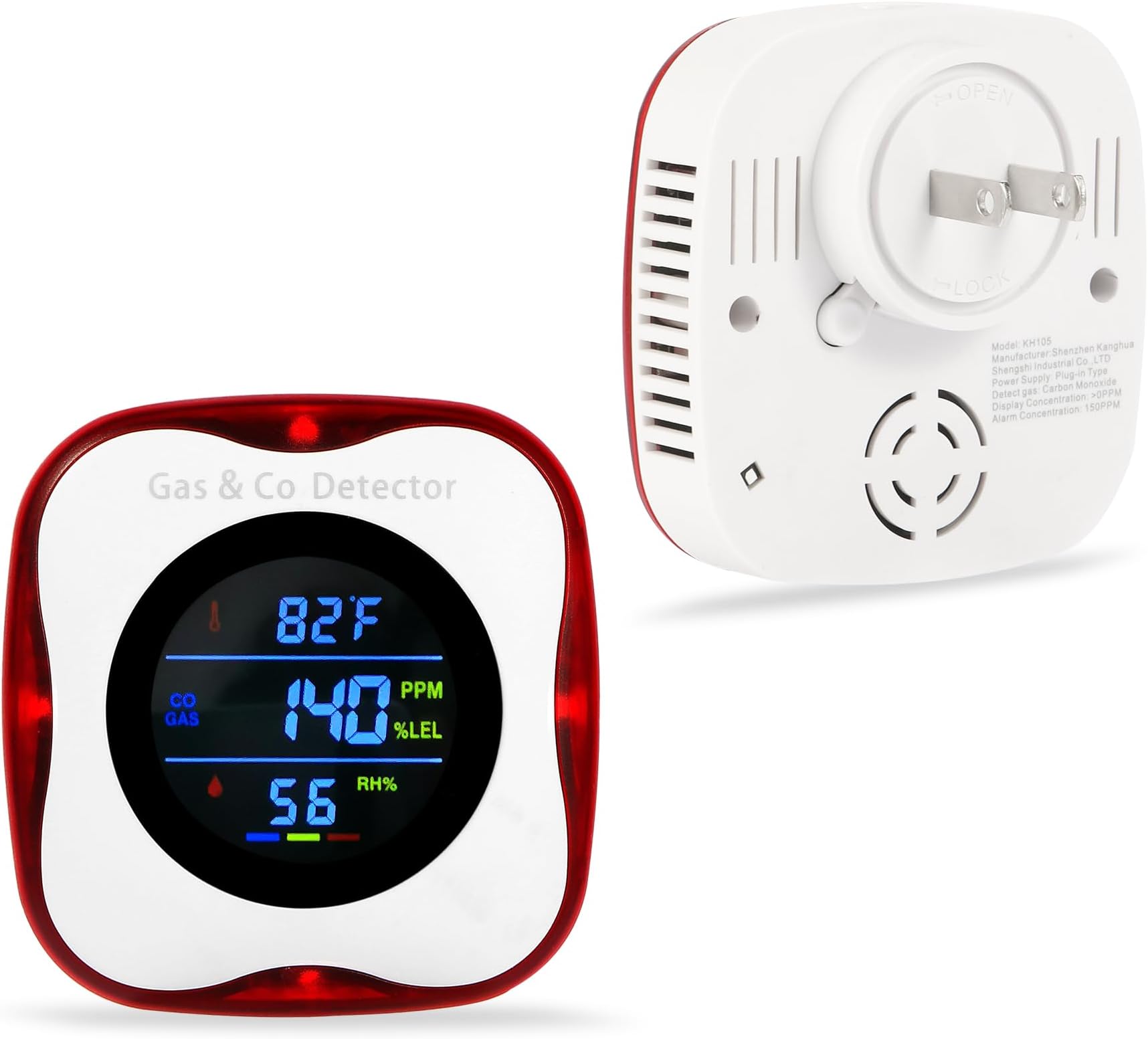
- Plug-in units: Convenient for outlets, often with a battery backup.
- Hardwired units: Integrated into your home's electrical system, often with a battery backup too.
- Combination smoke and CO detectors: The two-for-one special that saves space and offers comprehensive protection.
Maintenance Mambo: Keeping Your Detector Happy
Installing a CO detector is usually a breeze, often just a matter of mounting it to a wall or plugging it into an outlet. But the real secret to its effectiveness lies in simple maintenance:
Test monthly: Most detectors have a "test" button. Give it a push once a month to ensure the alarm sounds.
Change batteries annually: A super easy way to remember this? Link it to Daylight Saving Time! "Spring forward, change batteries. Fall back, change batteries." A little ritual goes a long way.
Replace the unit: Detectors aren't forever. Most have a lifespan of 5-7 years, after which their sensors can become less reliable. Check the expiry date on the back of your unit!

The "Uh-Oh" Moment: What to Do if it Alarms
If your CO detector ever goes off, don't ignore it. It's not crying wolf. The most important thing is to act quickly and calmly.
Evacuate immediately: Get everyone, including pets, out of the house into fresh air.
Call for help: Dial 911 or your local emergency services, and also contact your gas utility company.

Do not re-enter: Wait for emergency responders to give you the all-clear after they've identified the source and confirmed it's safe.
Beyond the Detector: Smart Home Habits
While a CO detector is your primary defense, remember that proper appliance maintenance is equally crucial. Make sure your gas appliances (furnace, water heater, stove, dryer, fireplace) are inspected annually by a qualified professional. Ensure vents and flues aren't blocked, and never use a gas oven or range for heating your home. These small habits combine to create a truly safe environment.
In the grand tapestry of modern living, where we strive for convenience, comfort, and connection, ensuring safety is perhaps the most fundamental thread. Adding a carbon monoxide detector to your home isn't just buying a gadget; it's investing in the well-being of everyone under your roof. It's a simple, affordable step that guards against an unseen danger, allowing you to fully embrace the joy and warmth of your sanctuary. So go ahead, enjoy that cozy evening, knowing your silent guardian is on watch, keeping your home not just comfortable, but truly safe.