
Carbon Monoxide Detector For Automobile

Ever feel that itch for adventure? The open road, the wind in your hair, the promise of a new horizon. Whether you're a seasoned road-tripper, a weekend camper, or just someone who loves their car a little extra, there's a certain magic to hitting the pavement. But as we embrace the freedom of the journey, it's wise to cast a quick glance at our safety toolkit. And that, my friends, is where the humble, yet incredibly mighty, Carbon Monoxide detector for your automobile steps into the spotlight.
You’re probably familiar with CO detectors in homes – those little guardian angels that chirp when something’s amiss. But why for your car? Well, just like our living rooms, our vehicles can sometimes become cozy (or not-so-cozy) enclosures where carbon monoxide (CO) can silently build up. CO is often dubbed the "silent killer" for a reason: it's colorless, odorless, and tasteless. You won't know it's there until it's too late, and in high concentrations, it can be fatal.
The Rise of the Road-Trip Guardian
Think about it: the rise of "van life," overlanding, and even just long commutes in older vehicles means we're spending more quality time in our cars than ever before. Picture this: you're cozied up in your van at a remote campsite, the engine idling for warmth, or perhaps you're stuck in traffic in a slightly older model with a tiny exhaust leak. These are scenarios where CO can become a serious concern. It's not about paranoia; it's about smart preparedness.
Must Read
While modern cars are incredibly safe, exhaust systems can develop leaks over time. Idling in an enclosed space, even a partially enclosed one like a garage with the door only slightly ajar, can be risky. Even tailgating another vehicle with a faulty exhaust on the highway can lead to CO entering your cabin. A car CO detector is your personal, always-on air quality monitor, giving you peace of mind when you need it most.
Choosing Your Co-Pilot: What to Look For
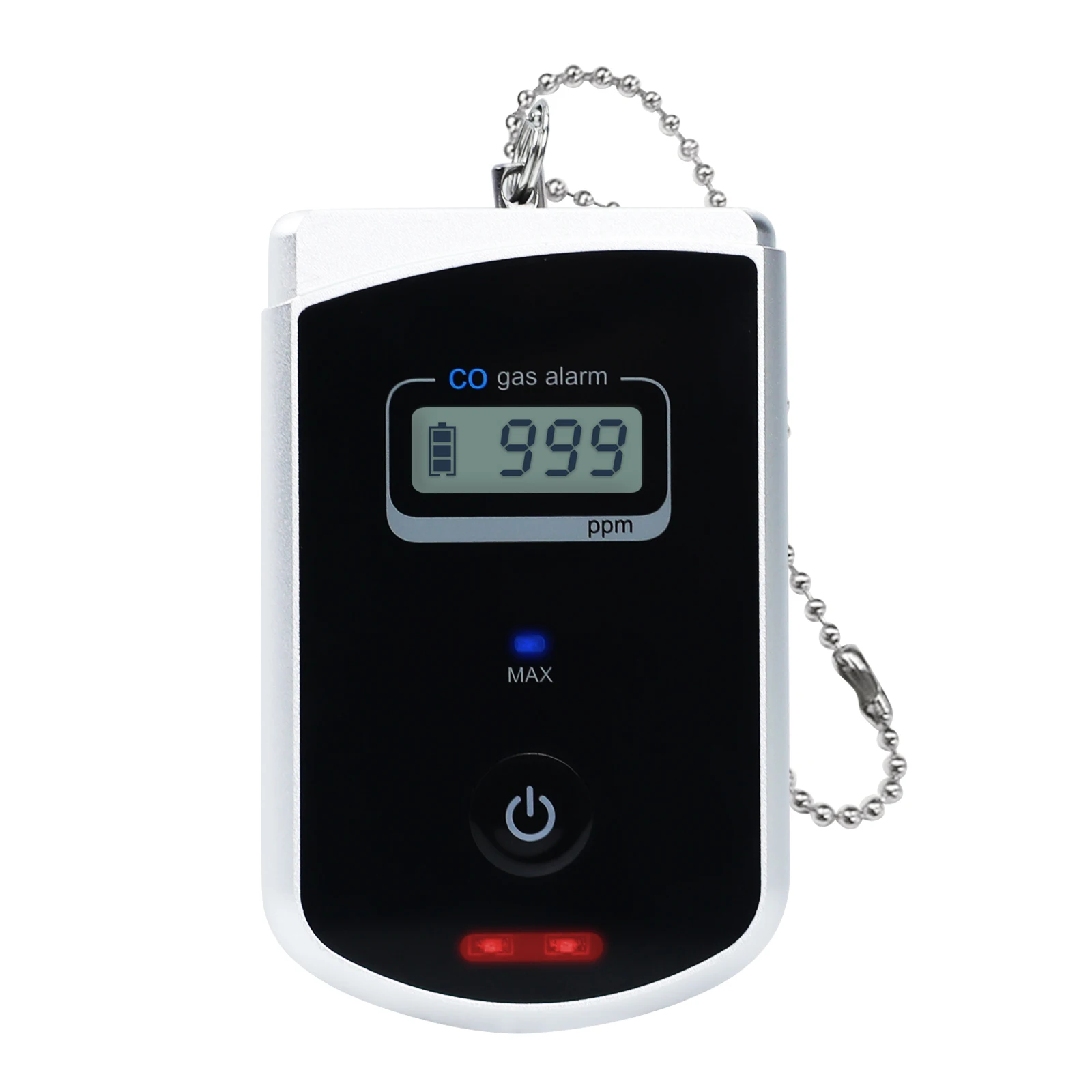
So, you're ready to embrace this smart safety upgrade. What are your options? Car-specific CO detectors are typically compact, robust, and designed for portability. Many are battery-operated, making them perfect for campers and adventurers, while others can plug into a USB port.

When picking one, look for:
- Digital display: For instant readings of CO levels.
- Loud alarm: You want it to wake you up or grab your attention immediately.
- Portability: Easy to move between vehicles or carry into a tent.
- Long battery life: Essential for off-grid adventures.
- Durability: Your car takes bumps; your detector should too.
Some even have smart features, like connecting to your phone, bringing that "smart home" convenience to your "smart car" – or at least, your smart travel setup!

Practical Pointers for the Pavement
Got your detector? Great! Now, let's talk practicalities:
Where to place it? Ideally, near where passengers (especially those sleeping) would breathe. For RVs or vans, place it at sleeping level. For regular cars, a central spot where the alarm can be easily heard is key.

Test it regularly! Just like your home detector, hit that test button every month or before a long trip. Batteries die, sensors wear out. Speaking of which, CO detectors typically have an expiration date – usually around 5-7 years. Make a note and replace it when the time comes. It's a small investment for such a critical safeguard.
What if it goes off? Don't panic! The first thing is to get fresh air immediately. Roll down all windows, turn off the engine if safe to do so, and evacuate the vehicle. Once safe, investigate the source. It could be an exhaust leak, an issue with the engine, or even a neighboring vehicle. Better safe than sorry!
Beyond the Detector: A Holistic Approach
Having a CO detector is a fantastic step, but it's part of a larger safety ecosystem. Regular car maintenance, especially checking your exhaust system for leaks, is paramount. Never idle your car in an enclosed garage for extended periods. If you're using a portable generator or a gas heater for camping, ensure it's always used outdoors and away from ventilation openings of your vehicle or tent.
It's a small piece of tech, but it carries a big punch when it comes to protection. In a world where we increasingly rely on our vehicles for both commute and comfort, taking a proactive step like adding a CO detector isn't just smart; it's caring. It's about valuing every journey, every memory, and every breath you take on the open road. Because the best adventures are always the safe ones.