
Carbon Monoxide Detector Flashing Red But No Sound
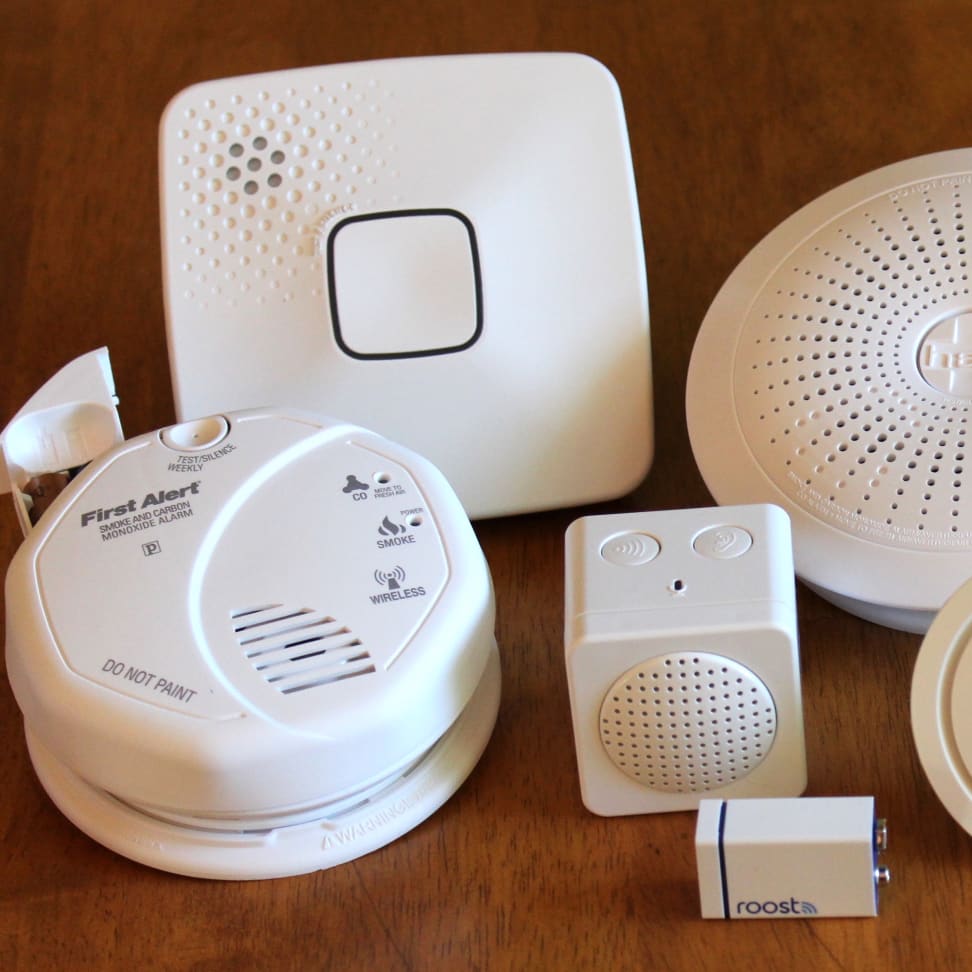
You know that feeling, right? The one where a piece of tech, usually something you barely notice, suddenly decides to throw a wrench into your perfectly normal Tuesday evening. Like when your car’s check engine light flickers on, but only sometimes, and it feels less like a warning and more like a passive-aggressive suggestion. Or your fridge starts making a new weird hum, not the old, familiar one. It's that subtle shift in the background hum of life that makes your eyebrows raise and a tiny alarm bell (the mental kind, thankfully) start ringing.
Well, imagine that same low-grade tech anxiety, but this time it's coming from your
The Silent Red Flash: Decoding the Mystery
So, your CO detector is doing its best impression of a disco ball, but without the sound. What gives? Most people, myself included, assume a CO detector is a binary beast: either it's off, or it's screaming its head off because there's invisible danger lurking. But these little guardians are actually a bit more nuanced than that. A silent red flash often points to a
Must Read
Think of it as your detector trying to tell you, very politely, "Hey, something's up with me, not necessarily with the air." And believe me, that's a much better scenario than the alternative!
What Your Detector Might Be Whispering (with a Red Light)
The most common culprits for this silent light show are:
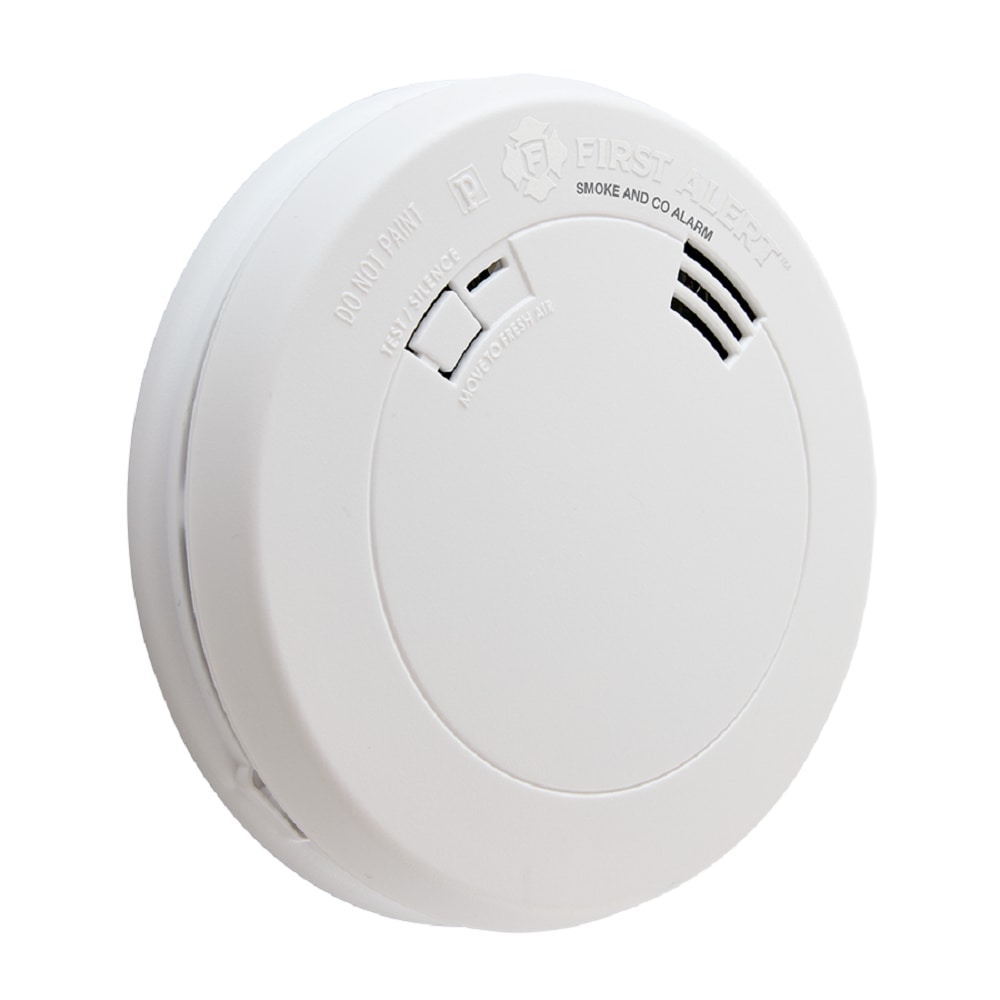
- Low Battery: Yep, the classic. Many detectors, especially older models, will flash a red light silently or with a quiet chirp every 30-60 seconds when their batteries are on their last legs. It's like a dying gasp before it goes completely kaput. And you thought only your remote control pulled that stunt!
- End-of-Life Warning: Did you know CO detectors have an expiry date? Most have a lifespan of about 7-10 years. After this, their sensors can become less reliable. A continuous or specific pattern of red flashes (still sans sound) can be your detector's way of saying, "My time has come, find a replacement!" It's a bit sad, really, like an old pet saying goodbye.
- Malfunction or Error: Sometimes, the detector simply isn't feeling well. A fault in the sensor or internal components can trigger a flashing light to indicate an internal error. This is less common but definitely possible.
The key takeaway here, my friend, is that a
Okay, So What Now? A Mini-Troubleshooting Guide
First things first:
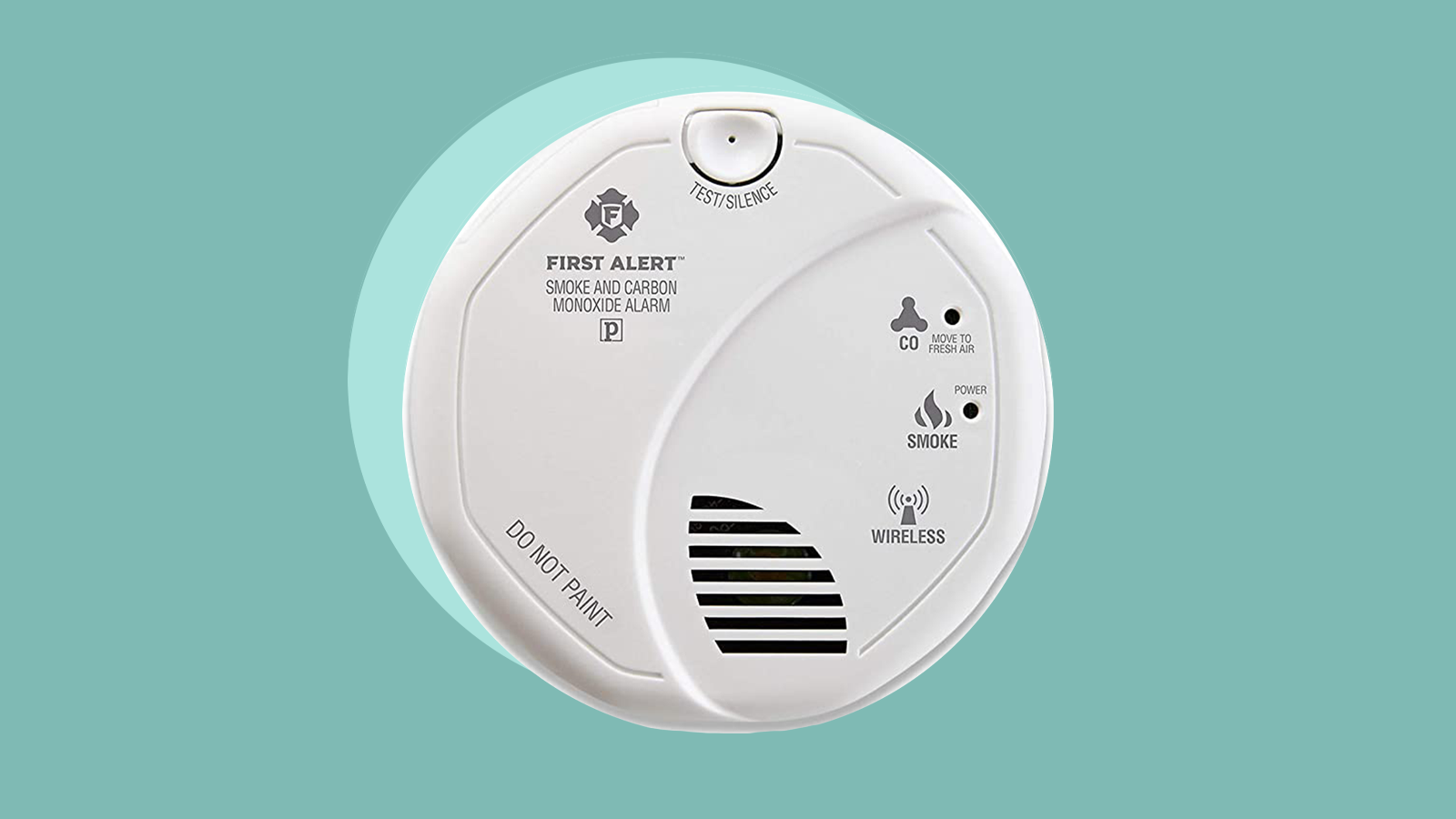
1. Check the Manual (Yes, really!): I know, I know. Who keeps those things? But if you can find it, or even look up your specific model online, the manual will have a detailed guide to what each flash pattern means. It’s like a secret codebook for your specific device.
2. Battery Check & Replace: This is the easiest and most frequent fix. Pop open the battery compartment (usually a little sliding door or twist-off cover). Replace the old batteries with fresh, good-quality ones.
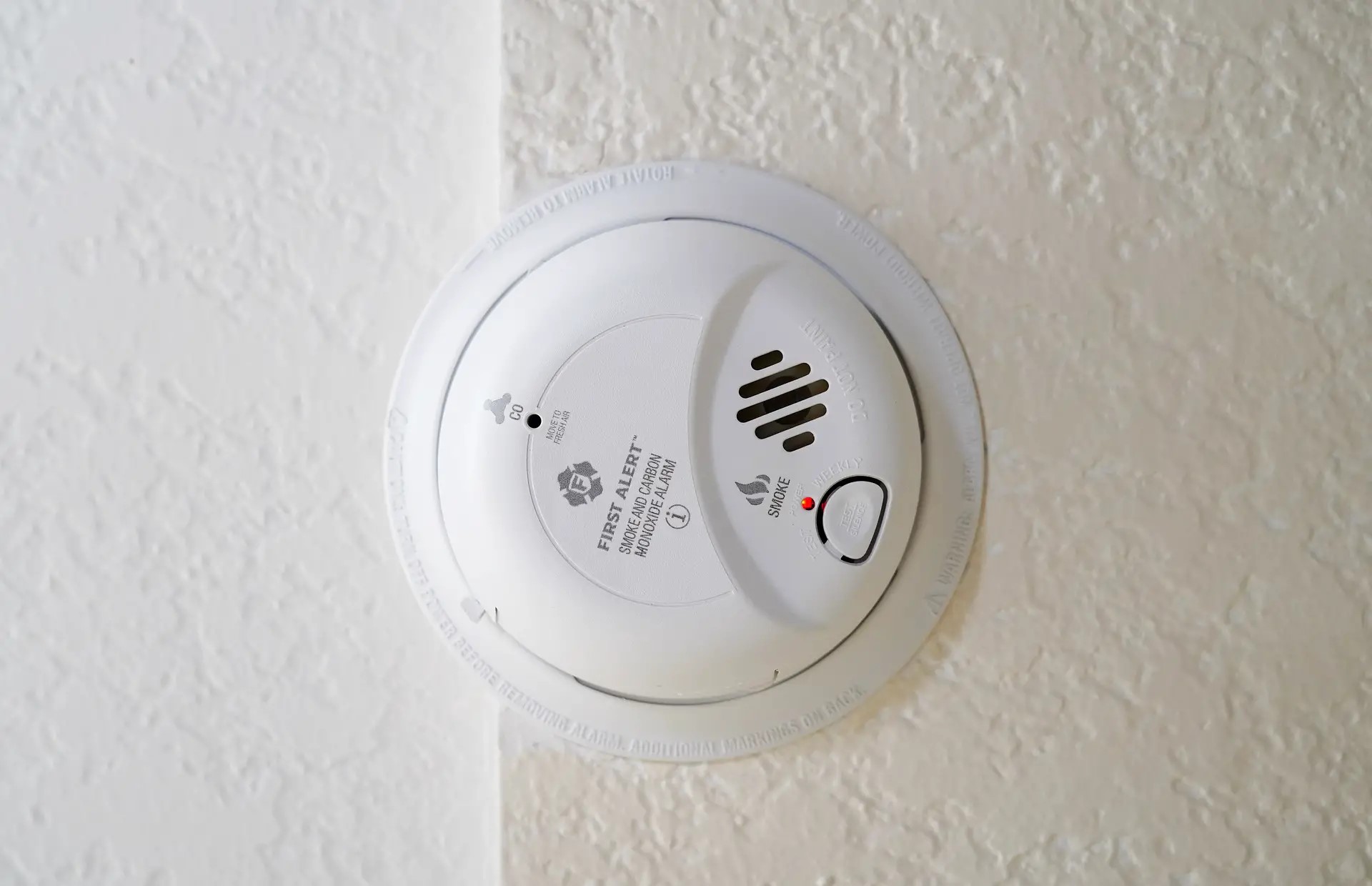
3. Look for an Expiry Date: Flip the detector over. Somewhere on the back or side, there should be a "replace by" date. If it's past that date, or even within a few months of it, it's time for a new unit. Seriously, just get a new one. It's cheap insurance!
4. Test and Reset: Most CO detectors have a "test/reset" button. Press and hold it for a few seconds. This can sometimes clear minor errors or confirm the unit is working after a battery change. Be prepared for a loud blast of sound during the test – it's just doing its job!

5. Observe the Pattern: Does it flash once every minute? Twice? Constantly? The exact pattern can be crucial in diagnosing the issue. For instance, some models flash red once every 60 seconds for a low battery, but every 30 seconds for end-of-life.
6. When in Doubt, Ventilate and Call: If you've tried all the above and the light is still flashing, and you have even the slightest suspicion that there might be CO (maybe a new appliance, a weird smell, or you just feel generally unwell),
The Takeaway: Your Silent Guardian Still Needs You!
So, while that silent red flash might feel like a cryptic message from an alien civilization, it's usually just your CO detector doing its best to communicate its own needs. It’s a vital piece of safety equipment, a true silent guardian, and keeping it in tip-top shape means it can truly protect you when it matters most. So next time it tries to get your attention with a quiet blink, you'll know exactly how to listen.