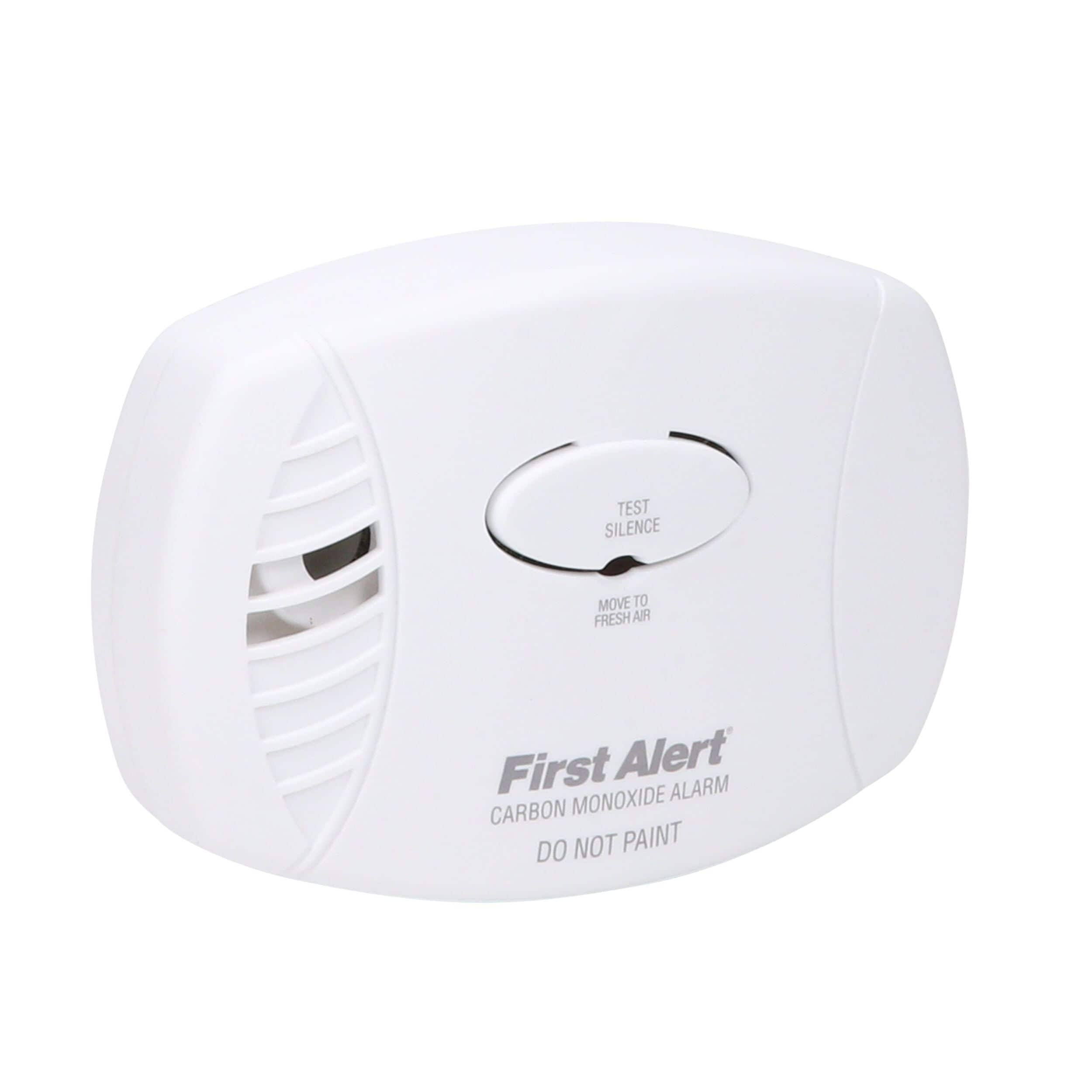
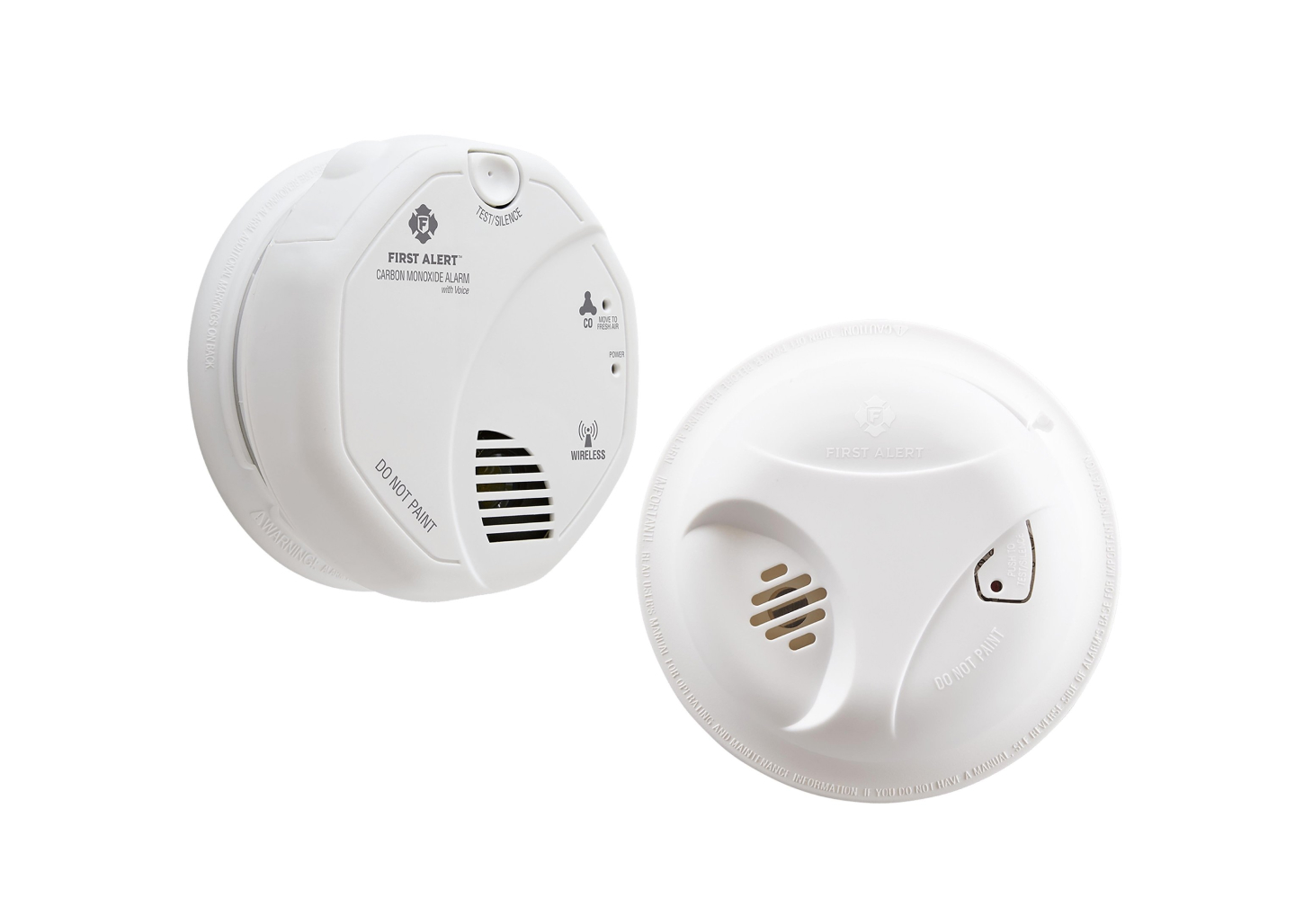
Carbon Monoxide Detector Flashing Green
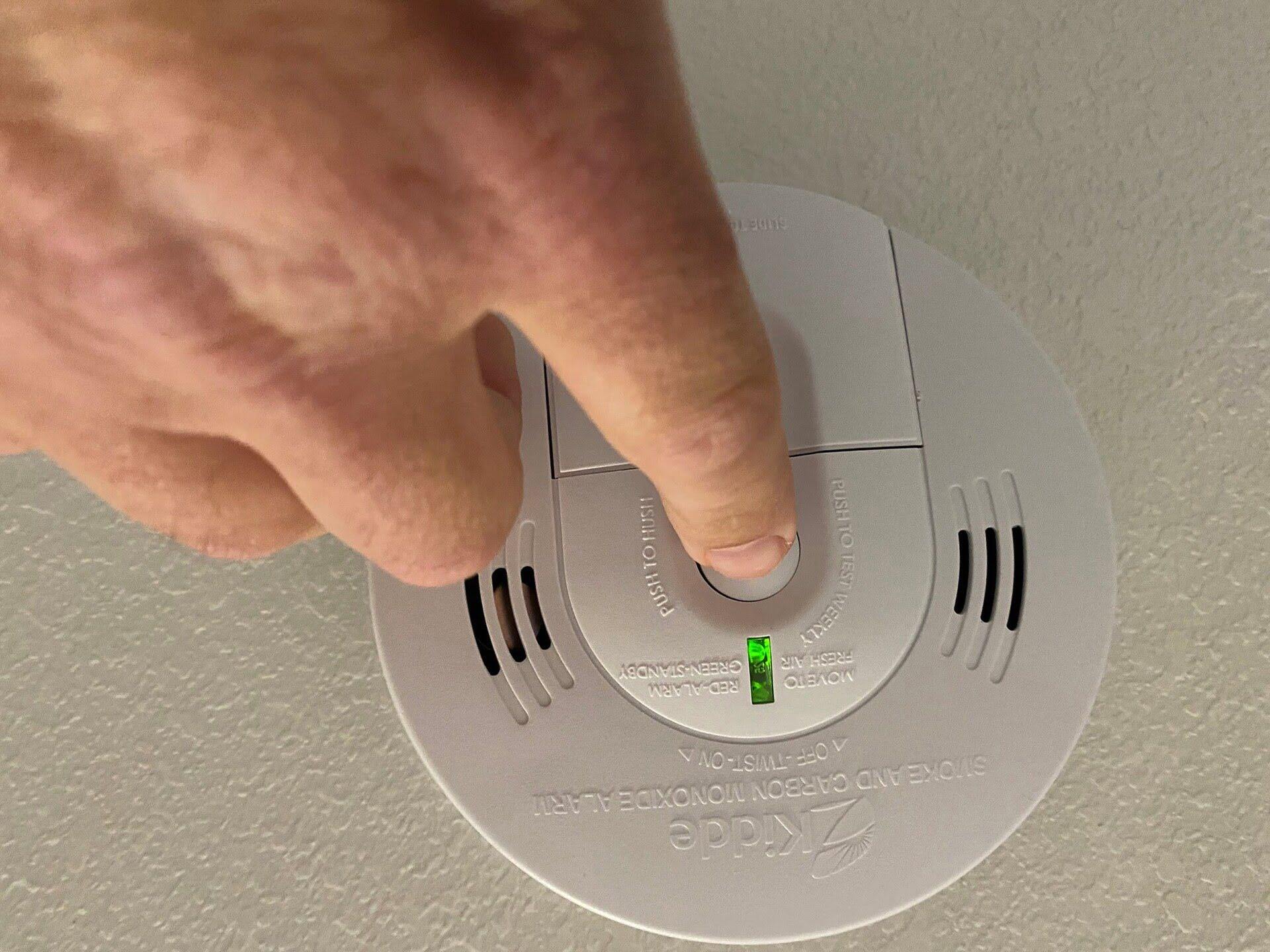
Ever find yourself gazing at that little white box on your ceiling or wall, the one that looks like a smoke detector but is maybe a little different, and notice a curious flashing green light? For many, it’s just another blinking gadget, easily ignored. But what if I told you that little flicker of green is actually a silent guardian, sending you a subtle, yet incredibly important, message? Understanding what your Carbon Monoxide (CO) detector is trying to tell you, especially when it’s flashing green, is not only genuinely useful but also a fantastic little piece of home intelligence to have in your back pocket. It’s a bit like deciphering a secret code that speaks volumes about your home's safety!
So, what exactly is this CO detector for? Well, Carbon Monoxide is often called the “silent killer” for a very grim reason: it’s an invisible, odorless, and tasteless gas. It's produced when fuels like gas, oil, kerosene, wood, or charcoal don't burn completely. Think about your furnace, water heater, gas stove, fireplace, or even a car running in an attached garage – these are all potential sources. CO is incredibly dangerous because it replaces oxygen in your blood, leading to symptoms like headaches, dizziness, nausea, and in severe cases, unconsciousness and death. The CO detector’s purpose is elegantly simple: to sense the presence of this gas and alert you with a loud alarm before it becomes a critical threat. The immense benefit? It provides invaluable peace of mind and, more importantly, can be the difference between life and tragedy, giving you time to ventilate your home or evacuate.
Now, let's get back to that specific signal: the Carbon Monoxide detector flashing green. In most cases, this is actually good news! A flashing green light typically indicates that the detector is powered on, functioning correctly, and monitoring for CO. It’s its way of saying, “I’m here, I’m working, and everything is currently okay.” Think of it as a steady heartbeat, a reassuring blink that your device is actively safeguarding your home. This is often in contrast to a flashing red light (which signals a CO alarm), a flashing yellow/amber light (which might indicate a fault or low battery), or a series of chirps (often a low battery warning). While the exact light patterns can vary slightly by manufacturer, the green light is generally your “all clear” signal.
Must Read
These crucial devices are found in various places in our daily lives. You'll certainly find them in homes, often near sleeping areas, or close to appliances that burn fuel. Many building codes now mandate their installation, especially in new constructions or when certain appliances are installed. RVs and boats with fuel-burning engines or generators also rely heavily on CO detectors for passenger safety. In an educational context, understanding CO detectors fits perfectly into general science curricula when discussing gases and human health, or during fire safety drills where kids learn about different household alarms. The most common use in daily life, however, is simply the passive, constant protection they offer, working diligently behind the scenes without us even noticing, until they truly need our attention.
So, how can you explore this topic further and ensure you’re making the most of your home’s guardian? First and foremost, read the manual for your specific CO detector model. It will detail exactly what each light pattern and sound means. Secondly, make it a habit to test your detector regularly (most have a "test" button) to ensure its alarm is working. Know the difference between a flashing green (good!), a flashing red (danger!), and a regular chirp (often time for new batteries or device replacement). Ensure your detectors are placed correctly – typically outside sleeping areas and on every level of your home. Finally, remember that CO detectors have a lifespan, usually 5-7 years. Pay attention to any end-of-life indicators, often a specific chirp or light pattern, and replace them when due. By taking a few moments to understand these simple signals, you transform a blinking light into an informed reassurance, adding another layer of safety and understanding to your home.