
Carbon Monoxide Detector First Alert Beeping
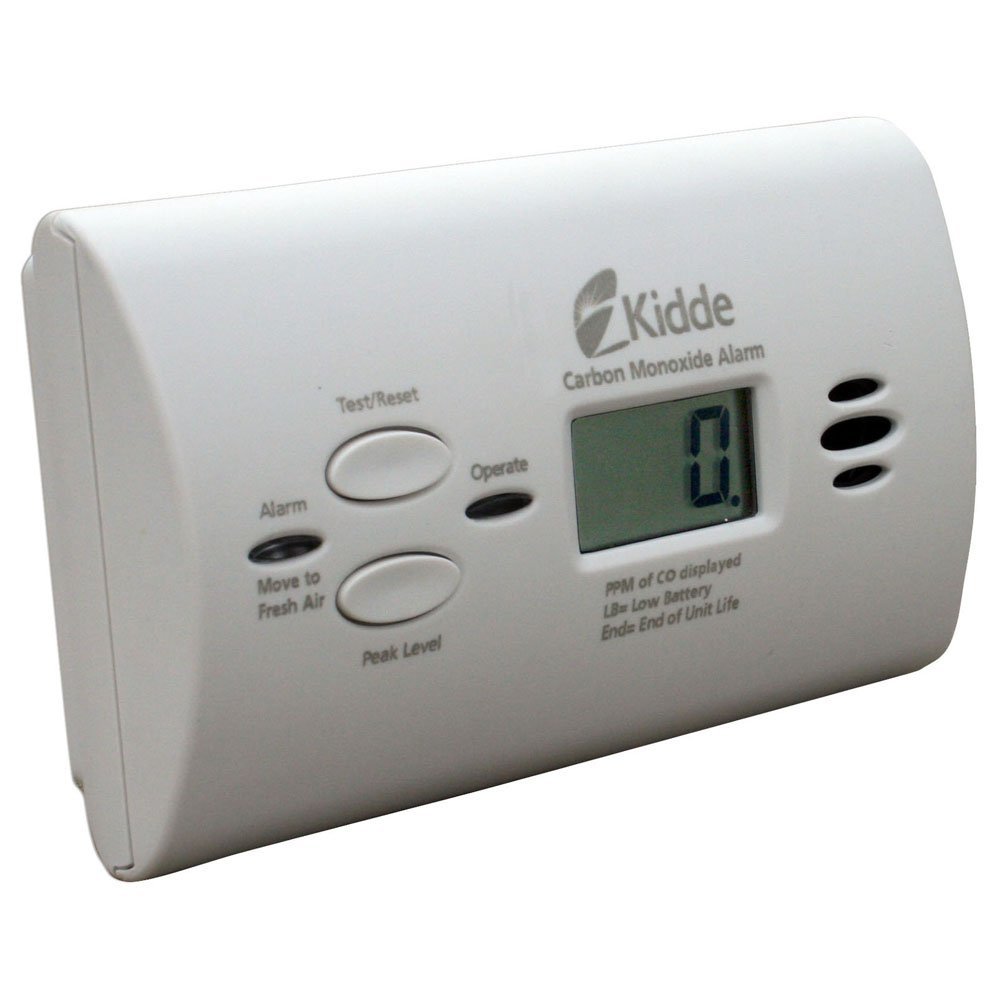
Picture this: You’re snuggled on the couch, maybe with a cup of tea, binging your favorite show, or perhaps you’re just drifting off to sleep. Everything is calm, quiet, perfect. Then, out of nowhere, your house decides to make a sound. Not the gentle hum of the fridge, not the creak of the floorboards, but a series of distinct, insistent, BEEP! BEEP! BEEP!
What in the world is that? If you have a First Alert Carbon Monoxide (CO) detector, chances are, that little guardian of your home is trying to tell you something important. And honestly, it’s probably not as dramatic as you think, but it’s definitely worth paying attention to!
The Mystery Beep: What’s Going On?
That sudden chirping from your detector can be a bit startling, right? It’s like your house suddenly gained a voice and decided to be a bit of a drama queen. But really, it’s just doing its job. Think of your CO detector as a tiny, invisible superhero, constantly sniffing the air for a very sneaky villain.
Must Read
There are typically two main reasons your First Alert CO detector might be letting out those attention-grabbing beeps:
1. “Hey! My Batteries Are Low, Buddy!” (The Common Chirp)
This is by far the most frequent reason for those intermittent, usually singular, chirps. It’s your detector’s way of saying, “Psst! Over here! I’m running out of juice! A little help, please?” It’s like your phone hitting 5% battery and giving you that urgent little vibrate. Annoying? A little. Life-threatening? Nope, just inconvenient.

This kind of beep usually occurs every 30 to 60 seconds. It’s less of an alarm and more of a gentle (or not-so-gentle, depending on the time of night!) reminder. This is the detector equivalent of a toddler tugging on your shirt, asking for a snack. Easy fix: change those batteries! It’s a super simple job, often just popping open a compartment and swapping out a couple of AAs or 9-volts. And hey, make a habit of it during Daylight Saving Time changes – spring forward, fall back, and change batteries!
2. “Whoa There! Something’s Not Right!” (The Urgent Alarm)
Now, this is the beep that requires immediate attention. If your detector is letting out a loud, continuous, rapid series of beeps – typically four rapid beeps followed by a pause, repeated – that’s its way of shouting, “Danger, Will Robinson! Carbon Monoxide detected!” This isn’t a gentle nudge; it’s a full-blown emergency alert. This is like your smoke detector going off, but for an invisible, odorless, tasteless gas that’s even sneakier than a ninja.

Why Should We Care About This Invisible Ninja?
Carbon Monoxide, often called the "silent killer," is truly a master of disguise. You can’t see it, smell it, or taste it. It’s produced when fuels like gas, oil, kerosene, wood, or charcoal don’t burn completely. Think of everyday culprits: your furnace, gas stove, water heater, fireplace, or even a car left running in an enclosed space. If these things aren’t working correctly or aren't properly vented, CO can build up in your home to dangerous levels.
And that’s where your First Alert CO detector becomes your ultimate home hero. It’s always on guard, sniffing out this invisible threat, ready to sound the alarm if things go awry. Without it, you wouldn’t even know you were in danger until symptoms like headaches, dizziness, nausea, or confusion started to set in – symptoms that are often mistaken for the flu!
So, why care? Because this little gadget is standing between your cozy, warm home and a truly insidious danger. It’s like having a tiny, dedicated bodyguard for your entire family, 24/7.
Okay, It’s Beeping Urgently. Now What?
If your CO detector is giving you the urgent, continuous alarm, here’s the game plan:

- Don’t Panic! Easier said than done, we know, but try to stay calm.
- Get Out! Immediately move everyone, including pets, to fresh air outdoors. This is not the time to investigate.
- Call for Help! Once you’re safely outside, call 911 (or your local emergency number) and tell them your carbon monoxide alarm is sounding.
- Stay Out! Don’t re-enter your home until emergency responders say it’s safe.
Remember, this is a serious alert, and acting quickly can save lives. Your detector isn't just crying wolf; it’s an early warning system designed to protect you.
Maintaining Your Home’s Little Guardian
To keep your First Alert detector happy and ready for action:
- Test It Regularly: Most detectors have a "test" button. Give it a push once a month to make sure it's still chirpy. It's like checking if your car horn still works!
- Change Batteries: As mentioned, make it an annual ritual (Daylight Saving Time is your friend!).
- Know Its Expiration Date: Yes, CO detectors have a shelf life! Most last about 5-7 years before the sensors start to wear out. There’s often a manufacture date on the back. If it’s past its prime, it’s time for a new one. Think of it like swapping out an old, tired running shoe for a fresh pair – better protection!
So, the next time your First Alert CO detector decides to speak up, whether it’s a gentle battery reminder or an urgent cry for help, remember what a vital role it plays in keeping your household safe. It might be a little noisy sometimes, but it’s doing it all out of love… and a commitment to protecting you from that invisible ninja. Give it a little appreciative nod, swap those batteries, and keep on enjoying your peace of mind!