
Carbon Monoxide Detector Beeps 5 Times Then Stopped
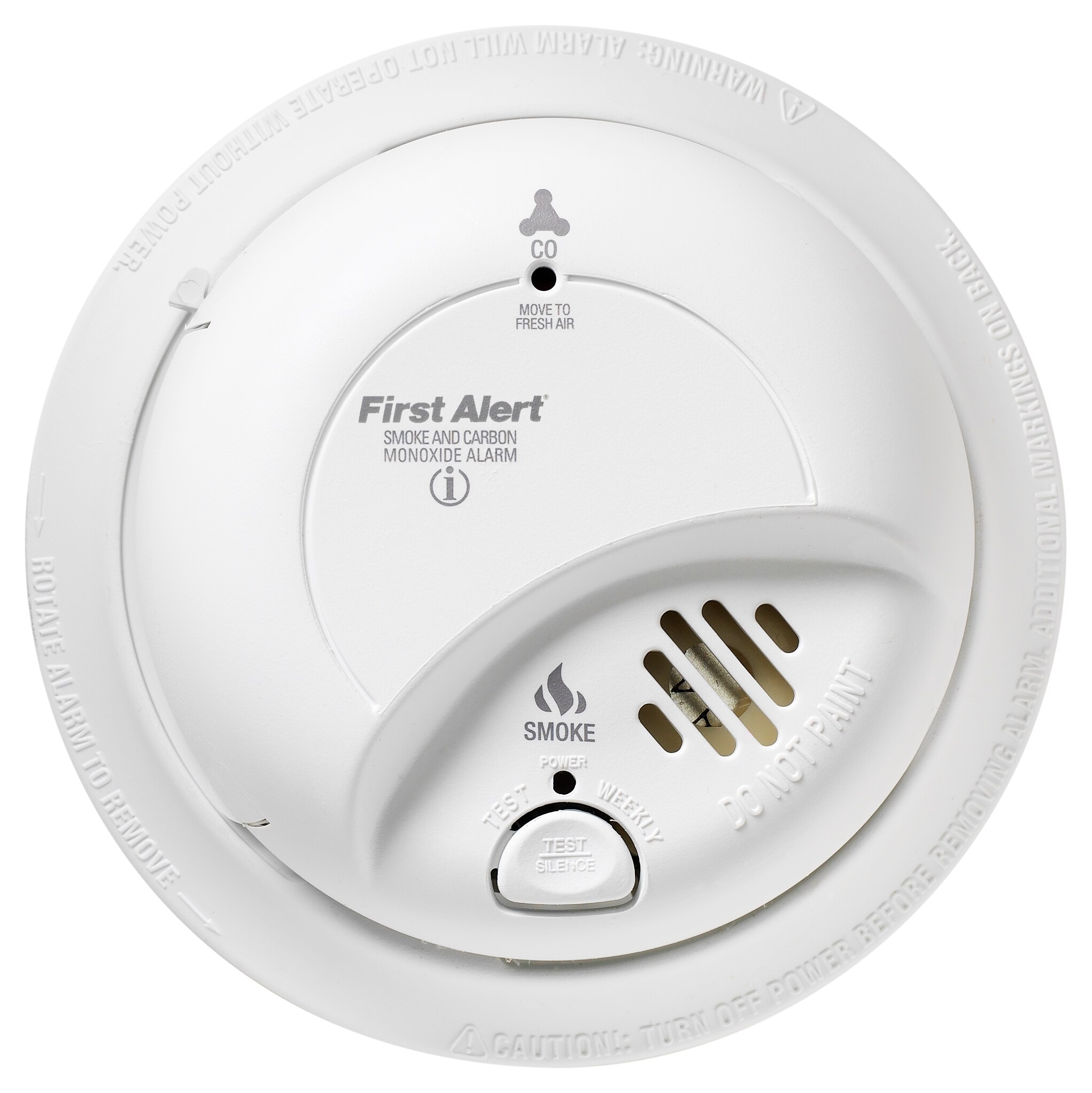
Ever been startled by a mysterious beep in your home? Maybe it's the smoke detector, or perhaps something even more cryptic. Today, let's chat about a particular head-scratcher: when your carbon monoxide detector beeps 5 times then stops. It sounds like a secret code, doesn't it? But understanding this little chime is actually super relevant, and dare I say, fun to unravel because it’s all about keeping our cozy spaces safe and sound.
So, what exactly is a carbon monoxide (CO) detector for? Think of it as your home's unseen guardian. Carbon monoxide is often called the "silent killer" because it's an invisible, odorless, and tasteless gas. It can be produced by faulty furnaces, gas stoves, generators, or even blocked chimneys. When inhaled, it replaces oxygen in your blood, leading to serious illness or even death. That's where our clever little detector comes in! Its primary purpose is to sense this dangerous gas long before you ever would, providing an early warning that can literally save lives. The benefit is profound: peace of mind and, more importantly, protection for you and your loved ones from a hidden threat.
Now, back to our 5-beep mystery. Unlike the shrill, continuous alarm that signals actual CO presence (which is usually 4 rapid beeps), those five distinct chirps followed by silence tell a different, equally important story. In most modern CO detectors, five beeps usually indicates an "End-of-Life" (EOL) warning. That’s right, these devices don't last forever! Their internal sensors, while incredibly sensitive, have a lifespan, typically around 7-10 years. Once they reach this age, they can no longer guarantee accurate detection, and the device gracefully signals its retirement. It's like a little digital farewell wave, letting you know it's time for a replacement.
Must Read
You’ll find CO detectors in all sorts of places in daily life: nestled on walls in bedrooms, hallways, or near fuel-burning appliances in homes, cabins, and even RVs. In an educational context, understanding these alarms teaches us about gas safety, sensor technology, and the importance of regular home maintenance. For instance, knowing that 5 beeps means EOL helps prevent unnecessary panic (thinking there's a CO leak) while still prompting the crucial action of replacement. It's a perfect example of technology communicating vital information simply and effectively.
Ready to explore this further in your own home? Here are some practical tips: First, if you hear those 5 beeps, don't panic about a CO leak, but do take it seriously as a need for replacement. Find your detector and look for its manufacturing or expiration date – it’s often on the back or side. Most manufacturers recommend replacing the unit every 7-10 years. If your detector is older than that, or if it's giving you the 5-beep signal, it's time for a new one. Secondly, get into the habit of pressing the "test" button on your CO detector monthly (just like smoke alarms!) to ensure it’s functioning. And finally, remember that CO detectors are not just a "set it and forget it" item; they are active guardians that need a little bit of attention and timely replacement to continue their critical work. Stay safe, and happy detecting!

![Carbon Monoxide Detector Beeps 4 Times Then Stopped - [Mom Prepared]](https://momwithaprep.com/wp-content/uploads/2024/12/cropped-momlogo.png?v=2)
![Carbon Monoxide Detector Went Off Twice Then Stopped [Explained] – Fire](https://firesafetysupport.com/wp-content/uploads/2023/03/carbon-monoxide-detector-went-off-twice-then-stopped.webp)