Carbon Monoxide Detector Beeping In Rv
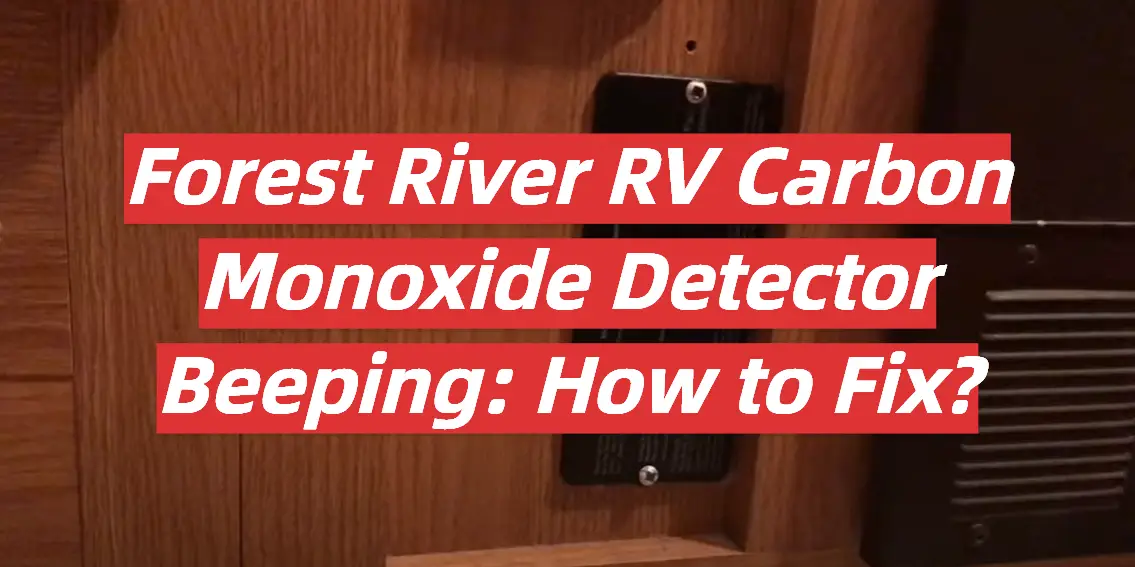
Ah, the open road! The wind in your hair, the smell of pine trees, and the freedom of your RV adventure. It’s the stuff dreams are made of, isn't it? But then, out of nowhere, a high-pitched, persistent BEEP-BEEP-BEEP! pierces the tranquility. Your carbon monoxide detector is screaming bloody murder, and suddenly, that dreamy RV trip feels a little less idyllic. Don't panic! While startling, that beeping isn't just a nuisance; it's your tiny RV superhero doing its job, and understanding why it's crying for attention is crucial for keeping your adventures safe and sound.
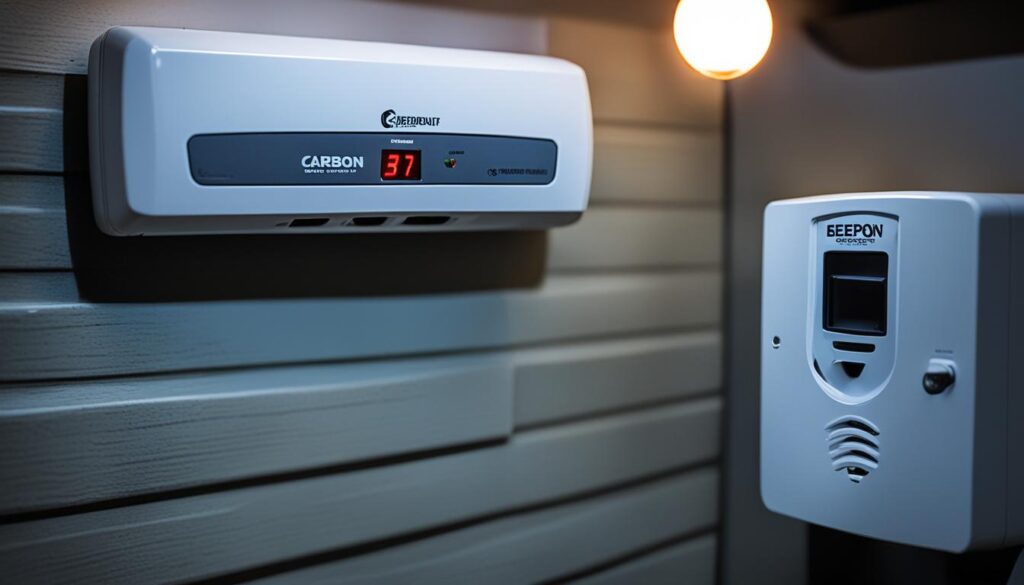
So, what exactly is this little guardian and why is it so important in your mobile home-away-from-home? Carbon monoxide, or CO, is often called the "silent killer" because it's a colorless, odorless, and tasteless gas. It's produced when fuels like propane, gasoline, wood, or charcoal don't burn completely. In an RV, sources can range from your furnace, water heater, and stove to your generator or even exhaust fumes from a nearby vehicle or campfire seeping in. Without a detector, you wouldn't know it's there, slowly — and dangerously — filling your living space. Your CO detector is designed to sniff out this invisible threat, giving you a vital heads-up long before CO levels become harmful, or worse, fatal. It's truly a life-saving device, providing unparalleled peace of mind.
Now, let's get to the bottom of that alarming beeping. There are a few common culprits when your RV's CO detector decides to make some noise:
Must Read
- Actual CO Presence: This is the most serious, and you should always treat it as such first. If your detector is going off, assume there's CO. Immediately open windows and doors, turn off all propane appliances, shut down your generator, and get everyone outside into fresh air. Only re-enter once the alarm stops and the RV has been thoroughly aired out. Call for professional help to identify the source if you can't find it.
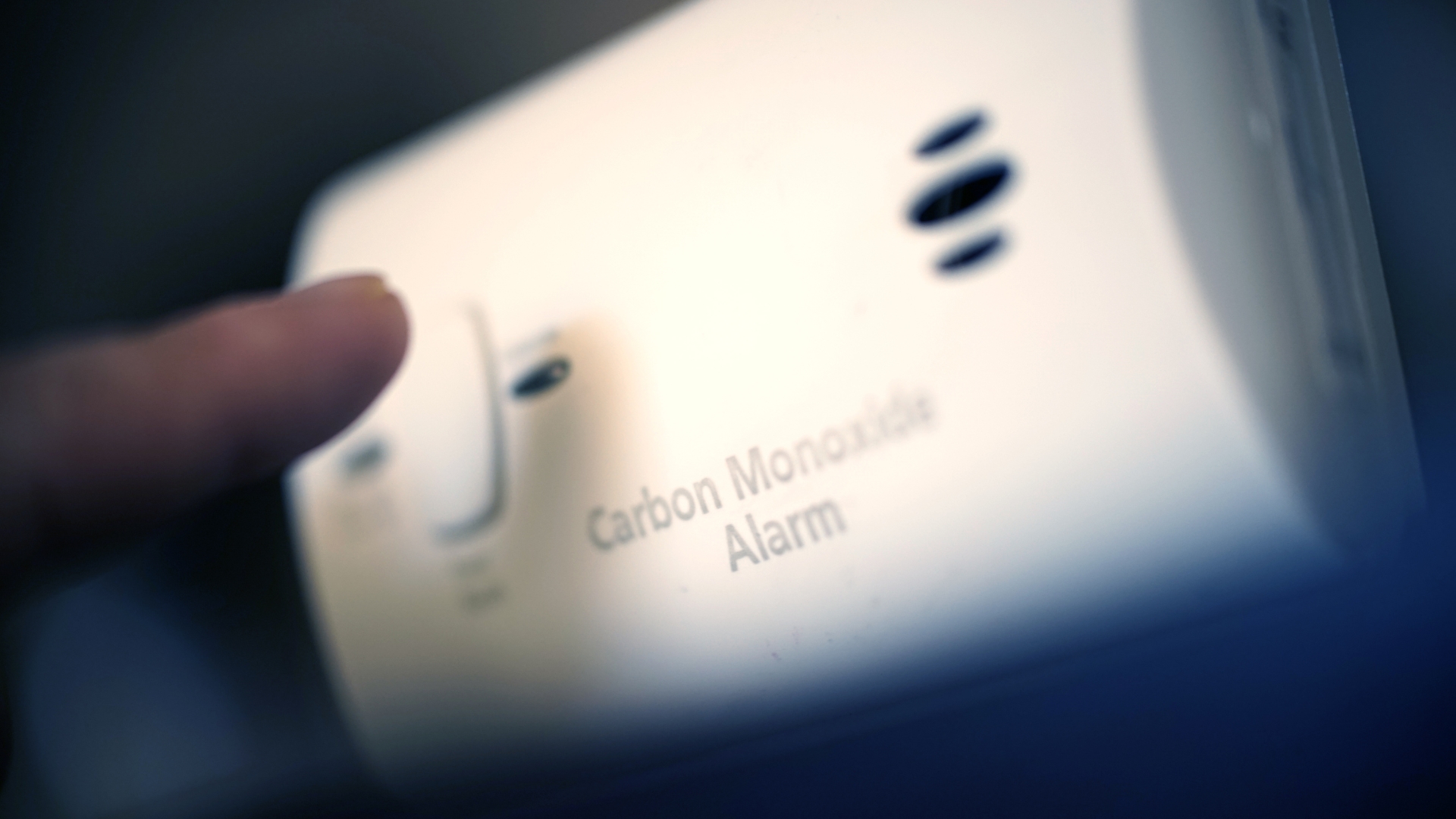
- Low Battery: This is probably the most frequent (and thankfully, least dangerous) reason for a chirping or beeping detector. RVs often have detectors wired into the 12V system, but many also have backup batteries. A single chirp every minute or so usually signals a low battery. Replace it right away!
- End-of-Life: CO detectors don't last forever. They typically have a lifespan of 5-7 years, after which their sensors become less reliable. When they reach their expiration date, they'll often emit a series of chirps or beeps to let you know it's time for a replacement. There's usually a "replace by" date printed on the back.
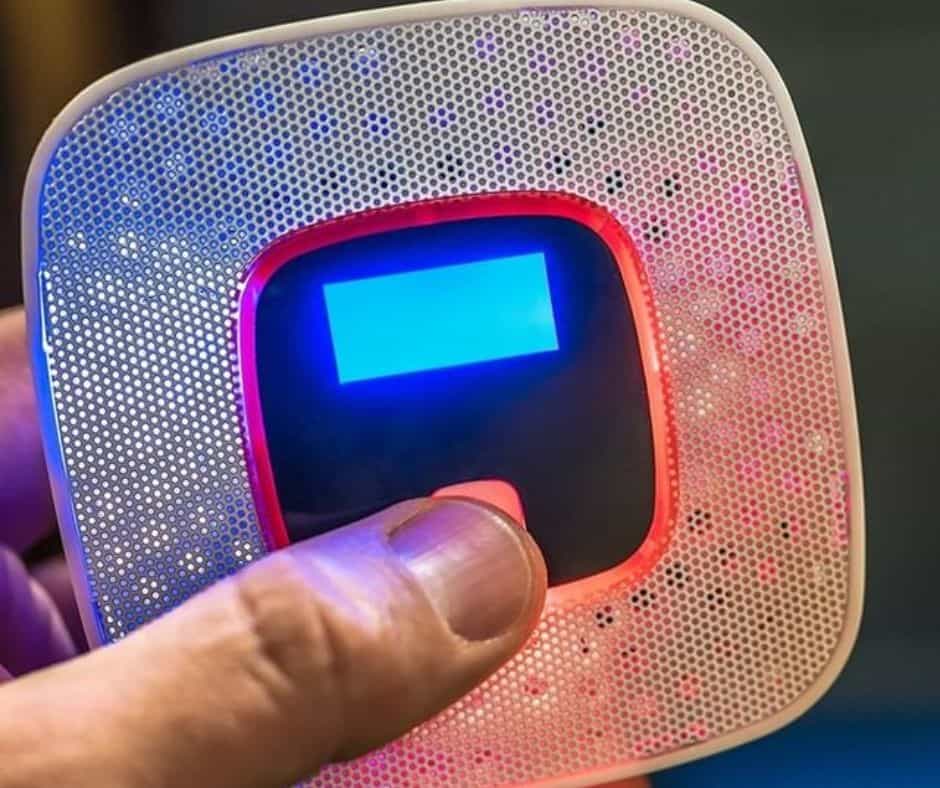
- Sensor Malfunction or Contamination: Sometimes, dust, debris, or even harsh cleaning chemicals can interfere with the sensor, causing a false alarm. In rare cases, the sensor itself might be faulty.
So, what's the takeaway? Don't ignore that beeping! Treat every alarm seriously. Ventilate immediately, evacuate, and then calmly investigate the cause. Always have fresh batteries on hand, know the age of your detector, and replace it proactively when it's due. Keeping your CO detector in tip-top shape is a small effort that yields monumental returns: it keeps you and your loved ones safe, ensuring your RV adventures remain the stuff of dreams, not nightmares. Happy (and safe!) trails!